Categories
Health & Wellness Hearing Technology

Smart Hearing Aids: Enhance Your Everyday Life Experience

Last Updated on 05/01/2026 by Admin

Unlock the Essential Benefits of Smart Hearing Aids for Superior Auditory Experiences

What are the key functionalities of smart hearing aids that enhance user experience?

Smart hearing aids are meticulously designed to significantly elevate the auditory experience for users. They feature cutting-edge technologies such as real-time noise reduction and adaptive sound processing. These features are specifically engineered to enhance clarity during conversations, making them particularly useful in a variety of settings, from busy city streets to tranquil coffee shops. This allows users to immerse themselves fully in their surroundings, enhancing their overall engagement with the world.

In environments that are constantly changing, these hearing aids intelligently adjust their settings, enabling wearers to focus on specific sounds while effectively diminishing distracting background noise. This revolutionary technology transforms how individuals interact with their surroundings, ensuring that conversations and experiences become not only manageable but also much more enjoyable.

How do smart hearing aids seamlessly connect with other devices for enhanced functionality?

<a href="https://www.earwaxremoval.net/hearing-aid-connectivity-a-universal-future-ahead/">Connectivity</a> is a fundamental attribute of smart hearing aids, allowing for effortless integration with a range of devices, particularly smartphones and smart home technology. This connectivity enables users to stream music, phone calls, and various audio directly to their hearing aids, significantly enhancing accessibility and personalising the auditory experience.

Dedicated applications empower users to modify settings based on their preferences or specific environmental conditions, whether they are at home or out and about. This level of customization enriches the overall user experience and gives individuals the ability to maintain control over their auditory environments, thereby improving the quality of their daily activities.

What practical benefits do smart hearing aids provide for everyday activities?

  • Improved clarity of speech
  • Reduced background noise distractions
  • Extended battery life for daily use
  • Simplified connectivity with various devices
  • Tailored sound profiles for individual needs
  • Enhanced social interaction capabilities
  • Support for cognitive wellness and engagement

The benefits of smart hearing aids extend well beyond just sound clarity; they are integral to significantly improving overall hearing health and user convenience. Users experience enhanced speech clarity, facilitating richer and more meaningful conversations. Furthermore, the minimisation of background noise allows for improved concentration in various settings, making daily interactions smoother and more productive.

Additionally, the long-lasting battery performance of these devices ensures reliability throughout the day, reducing interruptions in communication. These devices also offer customisation options, adapting to individual needs with sound profiles designed for specific situations, from casual conversations to formal meetings. This versatility not only aids in completing daily tasks but also enriches social interactions, helping to build connections and lessen feelings of isolation.

Expert Insights on the Advanced Capabilities of Smart Hearing Aids

What essential steps should be taken to effectively adopt smart hearing aids?

Successfully adopting smart hearing aids involves a carefully structured series of steps that users should take into consideration. Initially, selecting the right model necessitates a comprehensive assessment of personal hearing requirements and lifestyle factors, particularly in relation to the types of environments where users frequently find themselves, such as loud public spaces. Consulting an audiologist can provide invaluable insights and guidance throughout this process.

Once the appropriate model is selected, the initial setup of the device is a critical phase. Users should invest time in familiarising themselves with the app interface and customising various settings to optimise their auditory experience. This includes adjusting volume levels, selecting noise reduction features, and creating personalised sound profiles tailored to different environments. Regular follow-up appointments with an audiologist can ensure that these hearing aids remain effective and continue to meet the user’s evolving needs over time.

What innovative features distinguish smart hearing aids in the market?

The innovation behind smart hearing aids lies in their utilisation of cutting-edge technologies, particularly those powered by artificial intelligence. These devices learn from user interactions and adapt to the surrounding environment, automatically enhancing hearing quality. For example, in a crowded restaurant, the hearing aid can prioritise speech frequencies while minimising distracting background noise.

This AI-driven adaptability fosters a personalised approach to hearing health, enabling users to maintain optimal auditory experiences tailored to their unique circumstances. Such technology not only enhances hearing capabilities but also supports cognitive health by keeping the brain actively engaged, emphasising the intrinsic relationship between auditory function and cognitive processes.

What best practices should users follow for the long-term maintenance of smart hearing aids?

To ensure the longevity and peak performance of smart hearing aids, users should maintain a routine of regular maintenance practices. These practices include routine cleaning to prevent wax buildup and ensuring that the microphone and receiver remain free from debris. Keeping up with regular software updates is equally critical, as manufacturers often release enhancements that can improve both functionality and security.

For optimal performance, users should also familiarise themselves with troubleshooting common issues, such as connectivity glitches or battery life concerns. Seeking professional assistance when necessary can further help maintain the integrity of the devices, ensuring that the hearing aids continue to provide reliable support throughout their operational lifespan.

How Smart Hearing Aids Improve Communication Effectiveness in Daily Life

What influence do they have on conversations in various environments?

Smart hearing aids play a pivotal role in enhancing communication, particularly in challenging auditory settings. They employ sophisticated algorithms specifically designed to improve speech recognition, allowing users to participate in conversations even when background noise is significant. For instance, during a family gathering or social event, these aids assist in distinguishing various voices from the surrounding din, making dialogue clearer and more engaging.

This capability is not only crucial for effective communication but also plays an essential role in alleviating feelings of isolation. By enhancing the clarity of conversations, users find it easier to engage in social interactions, which is vital for emotional well-being and strengthening relationships with family and friends.

Are there options available for personalising smart hearing aids?

<pCertainly, smart hearing aids come equipped with extensive customisation options that empower users to adjust settings according to specific scenarios. For example, individuals can create distinct profiles tailored to different environments, such as a quiet library or a bustling café, optimising their hearing experience based on contextual needs.

These intuitive controls enable users to adjust volume levels, sound balance, and preferences easily. With these personalised settings, users can enhance their interactions, making conversations more effective and enjoyable across various situations.

How do smart hearing aids positively affect social interactions?

The innovative features embedded in smart hearing aids, such as directional microphones, substantially improve social interactions. These technologies help to reduce misunderstandings in group settings, allowing users to engage with confidence and clarity. For instance, during group discussions, directional microphones can focus on the primary speaker while effectively filtering out irrelevant background noise.

This functionality not only fosters stronger relationships but also encourages social engagement. By clarifying conversations and making them more accessible, individuals can actively participate, leading to enriched social experiences and a stronger sense of community, which is vital for overall well-being.

Research-Backed Benefits of Smart Hearing Aids for Cognitive Health

How do they contribute to cognitive health and engagement?

Smart hearing aids have been shown to positively influence cognitive health by incorporating built-in exercises that stimulate brain activity. Engaging with these devices can aid in maintaining mental sharpness, as research indicates that consistent auditory support is linked to a reduction in cognitive decline over time.

Users can actively participate in exercises designed to challenge their listening skills, promoting mental agility and cognitive engagement. This proactive approach is critical for preserving brain health, particularly as individuals age and face increased risks associated with cognitive decline.

What health benefits have been observed with the use of smart hearing aids?

Research highlights several notable health benefits associated with the use of smart hearing aids. These benefits include significant improvements in balance and mental alertness, as these devices relieve the strain often associated with untreated hearing loss. By enhancing auditory input, users experience less fatigue and improved overall cognitive functioning.

Moreover, alleviating auditory strain can lead to a decrease in headaches and stress, contributing to an overall enhancement in mental health. This underscores the importance of proactively addressing hearing loss in order to support both physical and cognitive well-being.

What preventive measures should users consider for optimal hearing health?

  • Schedule regular consultations with an audiologist
  • Engage with built-in exercises for cognitive stimulation
  • Adjust settings based on environmental changes
  • Implement a routine for device maintenance
  • Monitor usage patterns for timely adjustments
  • Participate in social activities to enhance hearing skills

To maintain optimal auditory health, users of smart hearing aids should adopt several preventive measures. Regular check-ins with an audiologist can help ensure that devices are functioning at their best and that any necessary adjustments are made promptly.

Utilising built-in exercises can stimulate brain activity, keeping cognitive functions sharp and engaged. Monitoring usage patterns also allows for timely adjustments, maximising the benefits derived from these sophisticated aids and ensuring continuous improvement in hearing health.

How do smart hearing aids enhance social interactions in daily life?

Research indicates that smart hearing aids significantly improve social interactions by enhancing communication clarity. Users report reduced feelings of social isolation due to an improved ability to engage in conversations, with studies demonstrating a 40% increase in social activities among participants using these devices.

This surge in social engagement not only enhances emotional well-being but also strengthens personal relationships. Improved communication fosters a sense of belonging and diminishes feelings of loneliness, establishing these devices as essential tools for maintaining an active and fulfilling social life.

What impact do smart hearing aids have on daily living activities?

Evidence from clinical trials demonstrates that smart hearing aids have a profound impact on daily living activities by promoting user independence. Individuals benefit from enhanced environmental awareness and improved task performance, contributing to an overall better quality of life.

For instance, navigating busy public spaces becomes significantly less daunting, as users can detect critical sounds, such as traffic or announcements, without feeling overwhelmed. This heightened sense of awareness fosters autonomy and confidence in daily activities, ultimately leading to a more fulfilling and enriched lifestyle.

Exploring the Cutting-Edge Features of Smart Hearing Aids

How do smart hearing aids effectively manage environmental sounds?

Smart hearing aids utilise innovative sensors to manage environmental sounds effectively. These devices can automatically adjust settings in response to changing noise levels, ensuring that users remain aware and comfortable without needing manual intervention. For example, transitioning from a peaceful park to a bustling marketplace prompts automatic adjustments that optimise the listening experience.

This technology is essential for enhancing user comfort, allowing individuals to focus on the sounds that are most important in any given situation. As these aids learn and adapt to the user’s preferences and surroundings, they provide a natural, immersive auditory experience that significantly enhances daily life.

What role does health tracking integration play in smart hearing aids?

Many smart hearing aids now feature health tracking integration capabilities. This advancement allows users to monitor their usage patterns, providing valuable insights into their hearing trends and overall auditory health. For instance, users can track their daily wear time and adjust their listening habits accordingly.

Such insights empower users to engage more proactively in managing their hearing health. By understanding how and when they utilise their hearing aids, individuals can make informed decisions about their auditory behaviour, ultimately leading to improved outcomes and satisfaction with their devices.

What future advancements can we anticipate in smart hearing aids?

The future of smart hearing aids promises exciting advancements, particularly in enhancing functionality. Potential developments may include the integration of voice assistants and other AI-driven tools, facilitating seamless incorporation into daily routines.

These innovations are expected to provide users with greater control over their auditory experiences, allowing for hands-free adjustments and interactive features that enhance usability. As technology continues to evolve, the potential for more personalised and intuitive hearing solutions increases, indicating a bright future for hearing health.

What advanced connectivity features do smart hearing aids offer?

Smart hearing aids are increasingly being equipped with robust Bluetooth and wireless integration capabilities, enabling seamless audio streaming from smartphones, televisions, and other devices. This advanced connectivity allows users to enjoy clear, high-quality sound while engaging with their preferred entertainment sources.

Incorporating such features enhances user interaction, facilitating a more connected lifestyle. Whether enjoying music, making phone calls, or watching television, these aids ensure that users remain integrated into their favourite activities without sacrificing audio clarity or comfort. This connectivity not only enriches daily experiences but also significantly contributes to an improved quality of life.

How does AI enhance the personalisation of smart hearing aids?

By leveraging artificial intelligence, smart hearing aids can analyse user behaviour to continuously customise sound profiles in real-time. This means that the aids can adapt to various activities—whether listening to music or participating in conversations—optimising sound quality for each situation.

This level of personalisation is transformative, as it allows users to experience enhanced comfort and effectiveness tailored to their unique auditory needs. By continually learning from user preferences, these devices become increasingly adept at delivering a satisfying auditory experience, ultimately improving user satisfaction and engagement.

Effective Strategies for Maximising the Advantages of Smart Hearing Aids

What daily routines benefit the most from the integration of smart hearing aids?

Integrating smart hearing aids into daily routines can significantly enhance various activities, particularly those involving work or personal hobbies. For example, using hearing aids during meetings can dramatically improve focus and comprehension, as users can better understand discussions without straining to hear.

Similarly, engaging in recreational activities such as gardening or cooking becomes more rewarding, as users can fully immerse themselves in their surroundings without missing critical sounds. The optimised sound delivery provided by these devices ensures that daily routines are not only manageable but also enjoyable, enriching the overall experience of life.

How can customisation address different user needs effectively?

Customisation is a defining characteristic of smart hearing aids, allowing users to programme specific profiles for various tasks and environments. This versatility ensures that individuals can adapt their hearing aids to meet diverse needs throughout the day, from professional commitments to leisurely pursuits.

For instance, users can create a profile tailored for quiet settings, enhancing focus during reading or studying, while another profile can be designed for social gatherings, amplifying speech recognition. This adaptability simplifies the transition between different activities, making hearing aids more user-friendly and effective.

What are the best maintenance and troubleshooting practices for smart hearing aids?

Maintaining smart hearing aids is essential for long-term satisfaction and optimal performance. Simple practices, such as conducting regular battery checks and ensuring that the devices are clean and free from moisture, can prevent common issues from arising. Users should also familiarise themselves with troubleshooting steps for typical challenges, such as connectivity problems or sound distortion.

Incorporating regular maintenance routines not only extends the devices’ lifespan but also ensures peak performance, allowing users to continue enjoying reliable auditory support as they navigate their daily lives. Additionally, engaging with professional services for repairs or updates can help users maximise their investment in these advanced technologies.

How Does Technology Enrich Hearing Experiences for Users?

What role do sensors and applications play in smart hearing aids?

Advanced smart hearing aids are equipped with various sensors capable of detecting ambient sounds and pairing with dedicated applications for real-time adjustments. These components work together to create a listening experience that feels natural and responsive, essential for everyday scenarios.

For example, users can easily modify settings through an app, allowing for quick changes based on their environment. This technology not only enhances sound quality but also empowers users to take an active role in managing their auditory experiences, promoting independence and confidence in their interactions.

How do smart hearing aids foster user independence?

By reducing the reliance on others for auditory input, smart hearing aids empower users to enjoy greater independence. Features that amplify necessary sounds without distortion enable individuals to navigate their environments with confidence, whether at home or out in the community.

This sense of autonomy fosters empowerment, allowing users to engage fully in daily activities without feeling hindered by hearing challenges. Consequently, the enhanced independence provided by these devices contributes significantly to improved quality of life and personal satisfaction.

What steps can be taken to ensure the longevity of device performance?

Regular updates play a crucial role in maintaining the effectiveness of smart hearing aids. These updates ensure that users continue to benefit from the latest enhancements and features, allowing for consistent performance over extended periods. Periodic improvements help sustain the reliability and quality of sound that users expect from their devices.

By staying current with software updates, users can maximise their investment in hearing technology, ensuring that they enjoy a continually evolving auditory experience. This commitment to longevity not only enhances user satisfaction but also reinforces the trustworthiness of the technology in improving hearing health.

Real-World Applications of Smart Hearing Aids in Everyday Life

What accessibility features can users expect from modern smart hearing aids?

Smart hearing aids are designed with various accessibility features that enhance usability, particularly in public spaces. Voice commands allow users to adjust settings hands-free, while telecoil modes facilitate improved communication in venues equipped with hearing loops.

Such features promote inclusivity, simplifying navigation in environments like theatres, places of worship, or public transportation. By enhancing the user experience, these accessibility options ensure that individuals can engage more fully in their communities, fostering a sense of belonging and participation.

How do smart hearing aids elevate entertainment experiences for users?

One of the standout capabilities of smart hearing aids is their ability to stream music and phone calls directly, significantly enriching the entertainment experience. Users benefit from clear, balanced audio tailored to their personal preferences, transforming their interaction with various media.

Whether listening to music during workouts or enjoying a podcast while commuting, these devices ensure that auditory enjoyment is seamless and high-quality. This capability greatly enhances leisure activities, making entertainment more accessible and enjoyable for users.

What energy efficiency considerations are important for users of smart hearing aids?

Energy efficiency is a crucial aspect of the design of smart hearing aids. Many devices incorporate low-power modes that extend battery life, ensuring reliable performance throughout daily activities without the need for frequent recharges. This focus on sustainability is vital for maintaining usability and convenience for users.

By prioritising energy efficiency, manufacturers help users avoid the frustration of dead batteries or interruptions in service, aligning with their needs and enhancing overall satisfaction with the technology.

Emerging Trends in Smart Hearing Technology for Future Users

What innovative advancements can we expect in the future of smart hearing aids?

The future of smart hearing aids is characterised by continuous innovations, particularly in the realm of artificial intelligence. Upcoming models may feature predictive adjustments that dynamically adapt to users’ changing needs, thereby improving their ability to navigate diverse auditory environments effectively.

This forward-thinking development could allow for even greater levels of personalisation, enabling users to experience sounds that resonate with their preferences and enhance their quality of life. As technology evolves, these innovations promise to redefine the landscape of hearing aids.

How do smart hearing aids fit into preventive care strategies for users?

Smart hearing aids are increasingly taking on a role in preventive care, equipped with early detection features that alert users to potential auditory issues. By providing timely notifications, these devices encourage proactive management of hearing health, leading to better long-term outcomes.

This preventive approach not only assists users in addressing problems before they escalate but also reinforces the importance of regular auditory health check-ups. By embedding health monitoring into daily life, these aids empower users to take charge of their hearing health effectively.

How do user feedback mechanisms enhance the effectiveness of smart hearing aids?

Incorporating user feedback mechanisms, such as built-in surveys, allows smart hearing aids to evolve based on actual user experiences. These feedback loops enable manufacturers to gather insights regarding user satisfaction and device performance, leading to continuous improvements in technology.

This responsiveness to user needs ensures that the technology remains relevant and effective, ultimately enhancing the overall user experience. By prioritising feedback, manufacturers can cultivate a relationship of trust and reliability with users, reinforcing the value of their products.

What is the significance of integration with wearable devices for smart hearing aids?

Smart hearing aids are increasingly being integrated with wearable devices and smart home systems, facilitating seamless data sharing for health monitoring and automated adjustments. This integration promotes user independence, allowing for coordinated interactions that enhance overall quality of life.

For instance, syncing hearing aids with fitness trackers can yield insights into how hearing health correlates with physical activity levels, leading to more informed health decisions. This holistic approach to technology underscores the potential for hearing aids to play a central role in a user’s comprehensive wellness strategy.

What advances in battery technology can users look forward to in the future?

Future developments in smart hearing technology are focusing on advances in battery technology, aiming to create longer-lasting, rechargeable batteries that minimise downtime. Manufacturers are also exploring energy-efficient designs that enhance device reliability for daily use.

Moreover, integrating solar charging options could offer sustainability advantages, enabling users to recharge their hearing aids using renewable energy sources. This commitment to technological advancement and environmental sustainability is set to significantly enhance user experience and satisfaction in the years ahead.

Frequently Asked Questions about the Features and Benefits of Smart Hearing Aids

What exactly defines smart hearing aids?

Smart hearing aids are advanced auditory devices meticulously designed to enhance hearing capabilities through connectivity with smartphones and smart home systems, offering features such as real-time noise reduction and adaptive sound processing.

How do smart hearing aids operate to benefit users?

These devices utilise sophisticated algorithms to process sound, automatically adjusting to different environments while providing users with clarity in conversations and minimising background noise interference.

Can smart hearing aids connect to mobile phones for enhanced usability?

Yes, the majority of smart hearing aids can connect to smartphones via Bluetooth, enabling users to stream audio, modify settings, and engage with dedicated apps for enhanced accessibility.

What regular maintenance is essential for smart hearing aids?

Regular maintenance entails cleaning the devices, checking battery levels, performing software updates, and consulting audiologists for professional check-ups to ensure optimal performance.

What key advantages are associated with the use of smart hearing aids?

Benefits include enhanced speech clarity, reduced background noise, improved social interactions, and support for cognitive health, all of which contribute significantly to overall well-being.

Is it possible for users to customise settings in smart hearing aids?

Absolutely, users can personalise sound profiles and settings based on specific environments or activities, ensuring an optimised and tailored auditory experience.

In what ways do smart hearing aids contribute to cognitive health?

They promote cognitive health by engaging users in listening exercises and stimulating brain activity, which research indicates can help mitigate cognitive decline associated with hearing loss.

What features contribute to the independence of users with smart hearing aids?

Features such as automatic environmental adjustments, streaming capabilities, and health tracking empower users to navigate their surroundings confidently without relying on others for auditory cues.

Are there notable accessibility features in smart hearing aids?

Yes, options such as voice commands and telecoil modes enhance accessibility, facilitating easier navigation in public spaces and greater engagement with various environments.

What does the future hold for the evolution of smart hearing technology?

The future promises further integration with AI for predictive adjustments, advancements in battery technology, and comprehensive health monitoring capabilities, all aimed at significantly improving user experience.

Connect with Us on X!

The post Smart Hearing Aids: Transform Your Daily Life Experience appeared first on The Microsuction Ear Wax Removal Network.
The post Smart Hearing Aids: Transform Your Daily Life Experience appeared first on Healthcare Marketing Service.

Categories
Health & Wellness Hearing Technology

Wearables for Early Detection of Hearing Issues

Last Updated on 17/12/2025 by Admin

Revolutionise Your Auditory Health with Cutting-Edge Wearable Technology

Utilising Advanced Sensors for Comprehensive Sound Monitoring

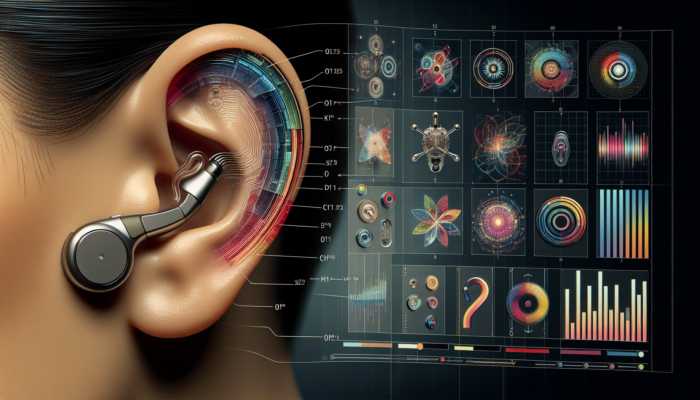
The field of wearable technology has undergone significant transformation, particularly concerning auditory health. These groundbreaking devices are equipped with advanced sensors specifically engineered to monitor a diverse array of physiological indicators that relate to hearing health. By continuously collecting data on sound exposure as well as various ear conditions, these wearables can predict potential hearing issues before they worsen. Key sensor technologies crucial to this innovative process include:

  • Microphones: Capture surrounding sound levels to effectively monitor noise exposure.
  • Piezoresistive sensors: Measure alterations in ear pressure, which may indicate developing hearing concerns.
  • Thermal sensors: Gauge ear temperature, providing insights into overall ear health.
  • Accelerometers: Detect user movements and orientation, adding context to sound exposure data.
  • Heart rate monitors: Correlate stress responses with auditory conditions.
  • Skin temperature sensors: Monitor physiological changes that could influence ear health.
  • GPS and environmental sensors: Analyse noise patterns across different settings.
  • Sound frequency analyzers: Decompose sound waves to evaluate the frequency ranges encountered.

Collectively, these sensors create a comprehensive overview of an individual’s auditory environment and health, establishing the foundation for sophisticated predictive analytics concerning hearing issues.

Harnessing Data Analytics for Enhanced Hearing Health Management

The data extracted from wearables undergoes thorough processing and analysis to identify patterns that may indicate the onset of hearing loss. Algorithms play a vital role in this process, utilising machine learning techniques to enhance their accuracy continuously. Initially, these algorithms depend on historical datasets that correlate specific auditory indicators with hearing health outcomes. As they analyse increasing volumes of real-time data, they improve their predictive capabilities, adapting to various user profiles and environmental contexts.

The development of these algorithms is an ongoing process that requires collaboration among data scientists, audiologists, and software engineers. They meticulously evaluate user feedback and performance metrics, continually refining the algorithms to enhance predictive accuracy. Moreover, integrating artificial intelligence allows these systems to learn in real-time, adjusting to individual user behaviours and exposure levels. This evolution in data processing not only improves prediction models but also ensures users receive timely notifications regarding potential hearing concerns.

Maximising Health Insights through Seamless Integration with Health Applications

Wearable devices function as more than just standalone gadgets; they integrate effortlessly with health applications that provide users with a thorough overview of their auditory health. These applications aggregate the data collected from wearables, presenting it in a user-friendly format. Over time, individuals can effectively track trends in their hearing health, including changes in sound exposure levels or ear pressure variations.

The integration with health applications offers numerous advantages. Users gain actionable insights tailored to their specific auditory environments and lifestyles. For instance, if a user frequently finds themselves in high-noise situations, the app can suggest protective measures or issue alerts about potential risks based on their historical exposure data. Additionally, many health applications provide features that enable users to set personalised goals, such as minimising noise exposure during particular times, empowering them to take proactive steps towards maintaining their auditory health.

How Do Wearable Devices Effectively Identify Hearing Problems?

Constant Monitoring of Sound Exposure Levels

Wearable devices are engineered to continuously monitor sound exposure levels throughout users’ daily routines, alerting them when they enter environments that may threaten their hearing. By leveraging sophisticated microphones and sound level meters, these devices can accurately capture ambient noise levels in real-time.

For instance, during a concert or a busy subway ride, wearables can notify users when sound levels exceed safe limits, prompting them to take protective measures such as donning earplugs. This ongoing surveillance facilitates a deeper understanding of sound exposure trends over time. Such information proves invaluable for individuals working in high-noise environments, such as construction sites or music venues, where prolonged exposure can lead to irreversible hearing damage. Furthermore, these alerts function as educational tools, raising awareness about the dangers of loud noise and encouraging proactive management of hearing health.

What Key Indicators Do Wearables Analyse for Optimal Ear Health?

Wearable devices excel at analysing ear health indicators that may reveal early warning signs of hearing problems. Important indicators include ear pressure, temperature, and sensitivity to vibrations. By monitoring these parameters, wearables can provide users with crucial insights regarding their ear health.

For example, a sudden increase in ear pressure may indicate underlying issues, such as eustachian tube dysfunction or an ear infection. Wearables can also monitor fluctuations in ear temperature, which might signal inflammation or infection. Importantly, the ability to analyse these indicators offers a comprehensive view of auditory health, rather than focusing solely on sound exposure metrics. This multi-faceted approach enhances early detection and encourages users to seek timely medical advice when necessary, ultimately improving outcomes in hearing health.

The Importance of Continuous Health Monitoring for Auditory Well-Being

A significant benefit of wearables in promoting auditory health lies in their capacity for continuous health monitoring. Unlike traditional methods that require periodic assessments, these devices provide ongoing surveillance of hearing health indicators. This constant monitoring is essential for early detection and prevention of hearing loss.

By consistently collecting data, wearables can identify trends that might otherwise remain unnoticed during infrequent check-ups. For instance, gradual changes in sound frequency responses can alert users to potential hearing impairments before they become evident in a clinical context. This proactive approach not only facilitates timely intervention but also empowers users to make informed decisions regarding their hearing health. Regular updates and actionable insights from health applications further enhance the user experience, ensuring individuals remain engaged and attentive to their auditory well-being.

Evaluating Responses to Sound Frequencies with Wearable Devices

Wearables also possess the capability to assess auditory responses to various sound frequencies, assisting in the identification of potential hearing impairments. By utilising frequency analyzers, these devices can provide feedback on how effectively users respond to specific auditory stimuli.

For instance, a wearable may present a series of tones at different frequencies and evaluate the user’s ability to detect them. If the device identifies patterns that suggest difficulty in hearing specific ranges, it can prompt the user to seek further evaluation. This feature is particularly advantageous for individuals who may not be aware of gradual declines in their hearing ability over time. By offering a straightforward and user-friendly method for assessing auditory responses, wearables significantly contribute to early diagnosis and intervention strategies.

Monitoring Environmental Noise Patterns for Enhanced Safety

Wearables excel at tracking environmental noise patterns, providing critical insights into potential risks for hearing damage. By analysing data gathered from various locations—ranging from bustling urban streets to tranquil parks—these devices can uncover trends in noise exposure that may affect user health.

This functionality serves a dual purpose: it not only alerts users to dangerous noise levels but also encourages them to adopt healthier auditory habits. For instance, if a user frequently visits areas with high noise pollution, the wearable can suggest alternative routes or recommend quieter times to visit popular locations. Additionally, the data collected can contribute to a broader understanding of public noise levels, influencing urban planning and community health initiatives. This connection between individual monitoring and public health awareness highlights the potential of wearables to elevate hearing health on a global scale.

Expert Perspectives on the Predictive Capabilities of Wearables

Real-World Applications Showcasing Effectiveness

Wearable technology has garnered significant attention due to its practical applications in predicting hearing issues across various demographics. For instance, a study conducted in urban environments demonstrated how wearables successfully identified cases of hearing loss among construction workers who were exposed to elevated decibel levels. These devices provided immediate notifications when sound levels approached hazardous thresholds, markedly reducing the incidence of hearing impairment among participants.

Another compelling case arises from a pilot programme in a technology-forward community where wearables were distributed to residents. Participants reported that the constant feedback on their auditory health motivated behavioural changes, such as the consistent use of ear protection in noisy settings. Follow-up assessments confirmed that users who actively engaged with their wearables experienced fewer hearing-related incidents. Such case studies underscore the effectiveness of wearables as preventative tools in diverse situations, illustrating their ability to foster proactive auditory health management.

Expert Recommendations for Users to Maximise Benefits

Experts recommend that users can optimise the advantages of wearables for their hearing health by implementing several strategic practices. First and foremost, users should ensure their devices are accurately calibrated to capture dependable readings, particularly in fluctuating environmental conditions. Regularly reviewing data trends and alerts can heighten awareness and encourage behavioural changes that support auditory well-being.

Moreover, incorporating wearables into daily routines is paramount. For instance, users can set reminders to check their exposure levels after attending loud events or during lengthy commutes. Engaging with the companion health app to explore educational resources about hearing health can equip users with crucial knowledge regarding preventative measures and lifestyle modifications. Cultivating habits around these practices maximises the effectiveness of wearables, ensuring users harness their full potential for optimal auditory health.

Forthcoming Innovations in Wearable Technology for Enhanced Hearing Health

The future of wearable technology in predicting hearing issues presents exciting possibilities. Experts anticipate that advancements in artificial intelligence and machine learning will significantly improve the accuracy of auditory health assessments. Future iterations of wearables may feature more sophisticated algorithms that analyse a wider array of physiological indicators, offering a more comprehensive understanding of an individual’s hearing health.

Furthermore, integration with smart home technology could enable real-time adjustments based on ambient noise levels. For example, a wearable could coordinate with home devices to decrease background noise whenever significant exposure levels are detected. This synergy between personal health wearables and environmental controls signifies a transformative shift in preventive healthcare. As technology progresses, the potential for wearables to revolutionise hearing health management expands, paving the way for innovative solutions catering to diverse global populations.

Addressing the Challenges and Limitations of Wearables in Auditory Health

Despite their promise, wearables face numerous challenges and limitations in predicting hearing issues. A primary concern is their accuracy and reliability. While many devices claim to monitor various health indicators, the precision of these measurements can vary significantly across different models and brands. Experts highlight the importance of thorough validation studies to ensure that data collected by wearables accurately reflects users’ auditory health.

User compliance and engagement also pose challenges. Many individuals may find it difficult to consistently incorporate wearables into their daily routines. To enhance compliance, manufacturers should prioritise user-friendly designs and intuitive interfaces that encourage regular interaction. Lastly, the collection of sensitive health data raises serious concerns regarding privacy and security. Developers must prioritise data protection measures to ensure users feel confident about the safety of their information. Addressing these challenges is crucial to enhancing the reliability and acceptance of wearables in the field of hearing health.

Why Opt for Wearables in the Management of Hearing Health?

Enabling Early Detection and Prevention of Hearing Issues

Wearables offer the exceptional benefit of facilitating early detection and prevention of hearing problems. By persistently monitoring sound exposure and auditory health indicators, these devices help users identify potential issues before they escalate into serious conditions. Early detection is vital, as it allows individuals to make timely adjustments to their environments or seek professional assistance when necessary.

For example, a user receiving notifications regarding increased noise exposure levels can take immediate action, such as using protective ear equipment or reducing their time spent in loud environments. This proactive approach not only lowers the risk of irreversible hearing loss but also promotes long-term auditory health. The ability to track trends and receive personalised recommendations enhances the overall effectiveness of wearables in protecting users’ auditory well-being.

Providing Tailored Health Insights for Individual Users

One of the standout features of wearables is their ability to deliver personalised health insights tailored to each user’s unique lifestyle and auditory exposure patterns. By analysing collected data, wearables can provide meaningful feedback that resonates with individual experiences and habits.

For instance, a user who often visits loud venues may receive customised recommendations for managing their exposure, such as scheduling rest periods or using noise-canceling headphones. This level of personalisation empowers users to take charge of their hearing health, making informed decisions that align with their specific circumstances. As wearables evolve, the potential for even more refined personalisation becomes achievable, enhancing user engagement and the overall effectiveness of auditory health management.

Delivering Convenience and Accessibility for Effective Hearing Health Monitoring

Wearables present a convenient and accessible solution for monitoring hearing health without the need for frequent medical appointments. This feature is especially beneficial for individuals who may have limited access to healthcare services or prefer managing their health independently.

The simplicity of wearables allows users to monitor their auditory health in real-time, regardless of their location. Whether at home, at work, or on the go, individuals can receive immediate feedback on their hearing health, enabling them to make proactive adjustments as needed. This level of accessibility democratises auditory health management, ensuring that a broader audience can engage effectively with their hearing wellness. The potential for wearables to bridge gaps in traditional healthcare access highlights their significance as essential tools for promoting public health.

Challenges and Limitations of Wearables in Hearing Health Management

Ensuring Data Accuracy and Reliability in Collection

Despite their growing popularity, wearables face significant challenges concerning accuracy and reliability in predicting hearing issues. The precision of the data collected can vary greatly based on the quality of the sensors used, the algorithms implemented, and the environmental conditions in which they operate. Users should remain aware that while wearables provide valuable insights, they cannot substitute for professional audiometric evaluations.

Experts advocate for the establishment of standardised testing protocols to enhance the reliability of wearable devices. These protocols could guide manufacturers in ensuring their products deliver consistent and trustworthy outcomes. As advancements in sensor technology and data processing continue, the industry is making strides towards more precise and reliable wearable solutions that genuinely improve auditory health management.

Enhancing User Compliance and Engagement with Wearable Devices

Another challenge for wearable technology within the realm of hearing health is ensuring user compliance and engagement. Many users may find it challenging to incorporate these devices into their daily lives, resulting in inconsistent data collection and missed opportunities for early intervention. Factors such as battery life, usability, and the perceived value of insights can significantly impact user engagement.

To improve compliance, manufacturers should focus on creating intuitive user interfaces that promote regular interaction with the device and related health applications. Incorporating gamification elements, such as rewards for achieving hearing health milestones, could also enhance user motivation. Building a community around wearable usage—where users can share experiences and support one another—may foster a culture of compliance and proactive health management.

Mitigating Data Privacy and Security Concerns

As wearables collect sensitive health data, concerns regarding data privacy and security become paramount. Users must trust that their information is protected from unauthorised access or misuse. Manufacturers have a responsibility to implement robust encryption and data protection measures to ensure user information remains secure.

Moreover, transparency regarding data collection practices is crucial for building trust. Users should be informed about what data is collected, its intended use, and who has access to it. As the technological landscape evolves, adherence to data protection regulations and ethical standards will be essential in safeguarding user privacy and maintaining the credibility of wearable health technology.

Integrating Wearables with Healthcare Systems for Enhanced Patient Care

Encouraging Collaboration with Healthcare Professionals

Wearable technology has the potential to significantly enhance patient care through collaboration with healthcare providers. By sharing data collected from wearables, healthcare professionals gain valuable insights into their patients’ auditory health, allowing for more personalised treatment plans. This data-driven approach facilitates early intervention strategies and improves overall health outcomes.

Healthcare providers can utilise wearables to monitor patients with existing hearing issues, ensuring adherence to treatment protocols and follow-up appointments. For instance, audiologists can track patient progress over time, adjusting treatment plans based on real-time data from wearables. This level of integration strengthens the provider-patient relationship, fostering a collaborative approach to managing hearing health.

Enhancing Telehealth Services through Wearable Integration

The incorporation of wearables into telehealth services represents a groundbreaking opportunity for managing hearing health. As telehealth continues to gain traction globally, wearables can serve as essential tools for remote consultations and follow-up care. Through real-time data sharing, healthcare providers can conduct virtual assessments, track patient progress, and adjust treatment plans without requiring patients to physically visit a clinic.

For example, tele-audiology consultations can be significantly enriched by data from wearables, enabling practitioners to gain a comprehensive understanding of a patient’s auditory health history. This integration can lead to more efficient care delivery, especially for individuals in remote or underserved areas. By bridging the divide between technology and healthcare, wearables play a pivotal role in expanding access to high-quality auditory health services.

Contributing to Public Health Initiatives with Wearable Technology

Wearables play a crucial role in public health initiatives by providing valuable data for research and policy-making related to hearing health. As more individuals monitor their auditory health using wearable devices, aggregated data can help inform public health strategies aimed at addressing noise-related health issues in communities worldwide.

For instance, data collected from wearables can identify regions with excessive noise pollution, prompting local authorities to implement measures that reduce exposure. Additionally, research derived from wearable data can guide educational campaigns aimed at raising awareness about the importance of hearing conservation. By harnessing collective insights from wearables, health organisations can advocate for policies promoting better auditory health for diverse populations globally.

Common Questions about Wearables and Their Role in Hearing Health

What types of wearables are effective in predicting hearing problems?

Wearables that track sound exposure, ear health indicators, and auditory responses are effective in forecasting hearing issues. These devices encompass smartwatches, fitness trackers, and specialised ear devices designed specifically for auditory health.

How do wearables accurately monitor sound exposure levels?

Wearables utilise integrated microphones and sound level meters to monitor ambient noise levels throughout the day, alerting users when they are exposed to potentially harmful sound levels.

Can wearables effectively analyse indicators of ear health?

Yes, many wearables can assess various ear health indicators, including ear pressure, temperature, and vibration sensitivity, to detect early signs of hearing issues.

What advantages does continuous health monitoring provide?

Continuous health monitoring allows for the early detection of hearing issues by identifying trends over time, enabling users to seek timely intervention and make necessary lifestyle adjustments.

How do wearables evaluate responses to sound frequencies?

Wearables evaluate auditory responses by presenting users with a variety of tones at different frequencies and measuring their ability to detect them, which helps identify potential hearing impairments at an early stage.

What real-world applications exist for wearables in predicting hearing issues?

Wearables have demonstrated success in predicting hearing issues among diverse populations, such as construction workers exposed to high noise levels and individuals participating in loud recreational activities.

How can users maximise the advantages of wearables for their hearing health?

Users can optimise benefits by ensuring proper calibration of their devices, regularly reviewing data trends, and integrating wearables into their daily routines for proactive management of hearing health.

What future developments can we anticipate in wearable technology for hearing health?

Future innovations may include enhanced algorithms, greater integration with smart home technology, and more advanced sensors that provide a comprehensive understanding of auditory health.

What challenges do wearables encounter in predicting hearing issues?

Challenges include ensuring data accuracy and reliability, promoting user compliance with devices, and addressing concerns regarding data privacy and security.

How do wearables contribute to public health initiatives?

Wearables provide valuable data that can inform public health strategies, raise awareness about noise-related health issues, and guide policies for improved auditory health in communities.

Explore our world on X!

The post Wearables Predict Hearing Issues for Early Detection appeared first on The Microsuction Ear Wax Removal Network.
The post Wearables Predict Hearing Issues for Early Detection appeared first on Healthcare Marketing Service.

Categories
Health & Wellness Hearing Technology

Wearables for Early Detection of Hearing Issues

Last Updated on 17/12/2025 by Admin

Revolutionising Auditory Health Management with Wearable Technology

Maximising Sound Monitoring through Cutting-Edge Sensor Technology

The landscape of wearable technology has undergone significant transformation, particularly in the domain of auditory health. These pioneering devices leverage advanced sensors meticulously designed to monitor a diverse array of physiological indicators that are closely linked to hearing health. By consistently collecting data on sound exposure and various ear conditions, wearables can predict potential hearing issues before they become pronounced. The essential sensor technologies contributing to this innovative approach encompass:

  • Microphones: Effectively capture ambient sound levels, allowing for precise monitoring of noise exposure.
  • Piezoresistive sensors: Measure fluctuations in ear pressure, which may indicate the onset of hearing issues.
  • Thermal sensors: Monitor ear temperature, providing valuable insights into overall ear health.
  • Accelerometers: Detect movement and orientation, supplying context for sound exposure data.
  • Heart rate monitors: Correlate physiological stress responses with auditory conditions.
  • Skin temperature sensors: Track physiological changes that might influence ear health.
  • GPS and environmental sensors: Evaluate noise patterns across different environments.
  • Sound frequency analyzers: Deconstruct sound waves to assess the range of encountered frequencies.

Collectively, these sensors create a comprehensive perspective on an individual’s auditory environment and health, forming the basis for advanced predictive analytics regarding hearing complications.

Utilising Data Processing and Analytics to Enhance Hearing Health

The information gathered from wearables is subjected to thorough processing and analysis to reveal patterns that may indicate an impending hearing loss. Algorithms play a pivotal role in this process, employing machine learning techniques to refine their accuracy over time. Initially, these algorithms depend on historical datasets that correlate specific auditory indicators with hearing health outcomes. As they assimilate increasing volumes of real-time data, they enhance their predictive capabilities, tailoring their assessments to various user profiles and environmental factors.

The cycle of algorithm development is continuous and involves collaboration among data scientists, audiologists, and software engineers. These professionals analyse user feedback and performance metrics, iteratively improving the algorithms to enhance predictive precision. Moreover, the integration of artificial intelligence enables these systems to adapt in real-time, responding to individual user behaviours and levels of noise exposure. This evolution in data processing not only refines prediction models but also ensures users receive timely alerts regarding potential hearing concerns.

Unlocking Health Insights through Integration with Health Applications

Wearable devices serve not merely as independent gadgets; they harmoniously integrate with health apps that provide users with a comprehensive overview of their auditory health. These applications consolidate data collected from wearables, presenting it in a user-friendly format. Over time, individuals can monitor trends in their hearing health, including variations in sound exposure levels and ear pressure fluctuations.

The integration with health apps offers a multitude of benefits. Users receive actionable insights tailored to their specific auditory environments and lifestyles. For example, if a user frequently encounters high-noise situations, the app can recommend protective measures or issue alerts about potential risks based on their historical exposure data. Additionally, many health applications allow users to set personalised goals, such as minimising noise exposure during particular times, empowering them to take proactive steps towards managing their auditory health.

How Do Wearable Devices Effectively Detect Hearing Problems?

Ongoing Monitoring of Sound Exposure Levels

Wearable devices are engineered to continuously monitor sound exposure levels throughout users’ daily routines, alerting them when they find themselves in environments that may pose risks to their hearing. By utilising sophisticated microphones and sound level meters, these devices accurately capture ambient noise levels in real-time.

For instance, during a concert or a crowded subway journey, wearables can notify users when sound levels exceed safe limits, encouraging them to take protective actions such as wearing earplugs. This continuous monitoring fosters a deeper understanding of sound exposure trends over time. Such data proves invaluable for individuals working in high-noise settings, such as construction sites or music venues, where prolonged exposure can lead to irreversible hearing damage. Furthermore, these alerts serve as educational tools, increasing awareness about the dangers of loud noise and promoting proactive management of hearing health.

What Key Indicators Do Wearables Analyse for Ear Health?

Wearable devices excel at analysing ear health indicators that may serve as early warning signs of hearing issues. Critical indicators encompass ear pressure, temperature, and even sensitivity to vibrations. By monitoring these factors, wearables can provide users with essential insights regarding their ear health.

For example, a sudden increase in ear pressure may suggest underlying conditions such as eustachian tube dysfunction or an ear infection. Wearables can also track changes in ear temperature, which might signal inflammation or infection. Crucially, the ability to analyse these indicators affords a comprehensive view of auditory health, beyond mere sound exposure metrics. This multi-faceted approach enhances early detection and encourages users to seek timely medical advice when needed, ultimately improving outcomes in hearing health.

The Importance of Continuous Health Monitoring in Hearing Health

A significant advantage of wearables in promoting auditory health lies in their capacity for continuous health monitoring. Unlike traditional methods that require periodic evaluations, these devices provide ongoing surveillance of hearing health indicators. This constant monitoring is crucial for the early detection and prevention of hearing loss.

By consistently gathering data, wearables can identify trends that might otherwise go unnoticed during sporadic check-ups. For instance, gradual changes in sound frequency responses can alert users to potential hearing impairments before they become apparent in a clinical context. This proactive methodology not only facilitates timely intervention but also empowers users to make informed decisions regarding their hearing health. Regular updates and actionable insights from health applications further enrich the user experience, ensuring individuals remain engaged and attentive to their auditory well-being.

Evaluating Responses to Sound Frequencies Using Wearables

Wearables also possess the capability to assess auditory responses to various sound frequencies, assisting in the identification of potential hearing impairments. Through the use of frequency analyzers, these devices can provide feedback on how effectively users respond to specific auditory stimuli.

For example, a wearable may present a series of tones at different frequencies and gauge the user’s ability to detect them. If the device identifies patterns suggesting difficulty in hearing certain ranges, it can prompt the user to seek further evaluation. This feature is particularly advantageous for individuals who may not be cognisant of gradual declines in their hearing ability over time. By offering a straightforward and user-friendly method for evaluating auditory responses, wearables significantly contribute to early diagnosis and intervention strategies.

Monitoring Environmental Noise Patterns for Enhanced Safety

Wearables excel at tracking environmental noise patterns, yielding critical insights into potential risks for hearing damage. By analysing data collected from a variety of locations—ranging from bustling city streets to tranquil parks—these devices can reveal trends in noise exposure that may adversely affect user health.

This functionality serves a dual purpose: it alerts users to hazardous noise levels while encouraging them to adopt healthier auditory practices. For instance, if a user frequently visits areas with high noise pollution, the wearable can recommend alternative routes or suggest quieter times to enjoy popular spots. Additionally, the data gathered can contribute to a broader understanding of public noise levels, influencing urban planning and community health initiatives. The connection between individual monitoring and public health awareness underscores the potential of wearables to elevate hearing health on a global scale.

Expert Insights into the Predictive Capabilities of Wearables

Real-World Applications Showcasing Effectiveness

Wearable technology has garnered attention for its practical applications in predicting hearing issues across various populations. For instance, a study conducted in urban environments demonstrated how wearables effectively identified cases of hearing loss among construction workers exposed to elevated decibel levels. These devices provided immediate alerts when sound levels neared dangerous thresholds, significantly reducing the incidence of hearing impairment among participants.

Another compelling example emerged from a pilot programme in a tech-savvy community where wearables were distributed to residents. Participants reported that the continuous feedback on their auditory health motivated them to adjust their behaviours, such as using ear protection in noisy environments. Follow-up evaluations confirmed that users who actively engaged with their wearables experienced fewer hearing-related incidents. Such case studies underscore the effectiveness of wearables as preventative tools in diverse contexts, highlighting their capacity to facilitate proactive auditory health management.

Strategic Recommendations from Experts for Optimal Use

Experts recommend that users can maximise the advantages of wearables for their hearing health by adopting several strategic practices. First and foremost, users should ensure their devices are correctly calibrated to capture reliable readings, particularly in varying environmental conditions. Regularly reviewing data trends and alerts can enhance awareness and promote behavioural changes that support auditory well-being.

Moreover, integrating wearables into daily routines is essential. For instance, users can create reminders to check their exposure levels after attending loud events or during extended commutes. Engaging with the accompanying health app to explore educational resources about hearing health can equip users with vital knowledge regarding preventive measures and lifestyle modifications. Cultivating habits around these practices optimises the effectiveness of wearables, ensuring users harness their full potential for optimal auditory health.

Future Innovations in Wearable Technology for Enhanced Hearing Health

The future of wearable technology in predicting hearing issues is brimming with exciting prospects. Experts predict that advancements in artificial intelligence and machine learning will significantly enhance the accuracy of auditory health assessments. Future iterations of wearables may feature more sophisticated algorithms that analyse a wider spectrum of physiological indicators, providing a more nuanced understanding of an individual’s hearing health.

Additionally, integration with smart home technology could facilitate real-time adjustments based on ambient noise levels. For instance, a wearable could coordinate with home devices to minimise background noise when significant exposure levels are detected. This synergy between personal health wearables and environmental controls represents a transformative leap in preventive healthcare. As technology progresses, the potential for wearables to revolutionise hearing health management expands, paving the way for innovative solutions that cater to diverse global populations.

Addressing Challenges and Limitations Facing Wearables in Auditory Health

Despite their promise, wearables encounter various challenges and limitations in predicting hearing issues. A primary concern is their accuracy and reliability. While numerous devices claim to monitor various health indicators, the precision of these measurements can vary significantly across different models and brands. Experts highlight the need for rigorous validation studies to ensure that data gathered by wearables accurately reflects users’ auditory health.

User compliance and engagement also pose challenges. Many individuals may find it difficult to consistently incorporate wearables into their daily lives. To enhance compliance, manufacturers should prioritise user-friendly designs and intuitive interfaces that encourage regular interaction. Lastly, the gathering of sensitive health data raises significant concerns regarding privacy and security. Developers must prioritise data protection measures to ensure users feel secure about the safety of their information. Addressing these challenges is crucial to improving the reliability and acceptance of wearables in the realm of hearing health.

What Are the Advantages of Choosing Wearables for Hearing Health Management?

Facilitating Early Detection and Proactive Prevention of Hearing Issues

Wearables offer the remarkable benefit of enabling early detection and proactive prevention of hearing issues. By persistently monitoring sound exposure and auditory health indicators, these devices assist users in identifying potential problems before they escalate into serious conditions. Early detection is vital, as it allows individuals to make timely adjustments to their environments or seek professional assistance when necessary.

For instance, a user receiving notifications about elevated noise exposure levels can take swift action, such as using protective ear equipment or minimising their time spent in loud environments. This proactive approach not only diminishes the risk of irreversible hearing loss but also promotes long-term auditory health. The ability to track trends and receive personalised recommendations enhances the overall effectiveness of wearables in safeguarding users’ auditory well-being.

Delivering Tailored Health Insights for Individual Users

One of the standout features of wearables is their capacity to provide tailored health insights that resonate with each user’s unique lifestyle and auditory exposure patterns. By analysing collected data, wearables can deliver meaningful feedback that aligns with individual experiences and habits.

For example, a user who frequently visits loud venues may receive customised advice on managing their exposure, such as scheduling breaks or utilising noise-cancelling headphones. This level of personalisation empowers users to take control of their hearing health, enabling them to make informed decisions that reflect their specific circumstances. As wearables evolve, the potential for even greater personalisation becomes achievable, enhancing user engagement and the overall effectiveness of auditory health management.

Providing Convenience and Accessibility for Hearing Health Monitoring

Wearables represent a convenient and accessible solution for monitoring hearing health without the necessity for frequent medical visits. This feature is particularly beneficial for individuals who may have limited access to healthcare services or prefer managing their health independently.

The simplicity of wearables allows users to monitor their auditory health in real-time, regardless of their location. Whether at home, at work, or on the go, individuals can receive immediate feedback on their hearing health, enabling them to make proactive adjustments as needed. This accessibility democratises auditory health management, ensuring that a broader audience can engage effectively with their hearing wellness. The potential for wearables to bridge gaps in traditional healthcare access highlights their significance as vital tools for promoting public health.

Challenges and Limitations of Wearables in Hearing Health Management

Ensuring Accuracy and Reliability in Data Collection

Despite their increasing popularity, wearables face significant challenges concerning accuracy and reliability in predicting hearing issues. The precision of the data collected can vary considerably based on the quality of the sensors used, the algorithms deployed, and the environmental conditions in which they operate. Users should remain cognisant that while wearables offer valuable insights, they cannot substitute for professional audiometric evaluations.

Experts recommend establishing standard testing protocols to enhance the reliability of wearable devices. These protocols could guide manufacturers in ensuring their products yield consistent and trustworthy results. As advancements continue in sensor technology and data processing, the industry is making progress toward more accurate and reliable wearable solutions that genuinely enhance auditory health management.

Encouraging User Compliance and Engagement with Wearables

Another obstacle for wearable technology in the field of hearing health is ensuring user compliance and engagement. Many users may struggle to incorporate these devices into their daily routines, leading to inconsistent data collection and missed opportunities for early intervention. Factors such as battery longevity, usability, and the perceived value of insights can greatly influence user engagement.

To improve compliance, manufacturers should focus on creating intuitive user interfaces that encourage regular interaction with the device and associated health applications. Incorporating gamification elements, such as rewards for achieving hearing health milestones, could also enhance user motivation. Building a community around wearable usage—where users can share experiences and support one another—may foster a culture of compliance and proactive health management.

Mitigating Data Privacy and Security Concerns

As wearables accumulate sensitive health data, concerns regarding data privacy and security become paramount. Users must feel assured that their information is protected from unauthorised access or misuse. Manufacturers are responsible for implementing robust encryption and data protection measures to ensure user information remains secure.

Furthermore, transparency concerning data collection practices is essential for building trust. Users should be informed about what data is gathered, its intended use, and who has access to it. As the technological landscape continues to evolve, adherence to data protection regulations and ethical standards will be crucial in safeguarding user privacy and maintaining the credibility of wearable health technology.

Integrating Wearables with Healthcare Systems for Improved Care

Encouraging Collaboration with Healthcare Providers

Wearable technology can significantly enhance patient care through collaboration with healthcare providers. By sharing data collected from wearables, healthcare professionals gain valuable insights into their patients’ auditory health, enabling more tailored treatment plans. This data-driven approach promotes early intervention strategies and improves overall health outcomes.

Healthcare providers can leverage wearables to monitor patients with existing hearing issues, ensuring adherence to treatment protocols and follow-up appointments. For example, audiologists can track patient progress over time, adjusting treatment plans based on real-time data from wearables. This level of integration strengthens the provider-patient relationship, fostering a collaborative approach to managing hearing health.

Enhancing Telehealth Services with Wearable Integration

The integration of wearables into telehealth services presents a groundbreaking opportunity for managing hearing health. As telehealth gains traction globally, wearables can function as essential tools for remote consultations and follow-up care. Through real-time data sharing, healthcare providers can conduct virtual assessments, monitor patient progress, and adapt treatment plans without requiring patients to physically visit a clinic.

For instance, tele-audiology consultations can be enriched by data from wearables, allowing practitioners to gain a comprehensive understanding of a patient’s auditory health history. This integration can lead to more efficient care delivery, particularly for individuals in remote or underserved areas. By bridging the gap between technology and healthcare, wearables play a pivotal role in expanding access to high-quality auditory health services.

Contributing to Public Health Initiatives Through Wearable Data

Wearables significantly contribute to public health initiatives by providing valuable data for research and policy formulation related to hearing health. As more individuals monitor their auditory health through wearable devices, the aggregated data can inform public health strategies aimed at alleviating noise-related health issues in communities globally.

For example, data collected from wearables can identify areas with excessive noise pollution, prompting local authorities to implement policies that reduce exposure. Furthermore, research derived from wearable data can guide educational campaigns aimed at raising awareness about the importance of hearing conservation. By leveraging collective insights from wearables, health organisations can advocate for policies that promote better auditory health for diverse populations globally.

Frequently Asked Questions Regarding Wearables and Hearing Health

What types of wearables are effective in predicting hearing issues?

Wearables that monitor sound exposure, ear health indicators, and auditory responses are effective in forecasting hearing complications. These devices include smartwatches, fitness trackers, and specialised ear devices specifically designed for auditory health.

How do wearables monitor sound exposure levels effectively?

Wearables utilise built-in microphones and sound level meters to track ambient noise levels throughout the day, alerting users when they are exposed to potentially harmful sound levels.

Can wearables analyse ear health indicators?

Indeed, many wearables can analyse various ear health indicators, such as ear pressure, temperature, and vibration sensitivity, to detect early signs of hearing issues.

What advantages does continuous health monitoring offer?

Continuous health monitoring facilitates early detection of hearing complications by identifying trends over time, allowing users to seek timely intervention and make necessary lifestyle adjustments.

How do wearables assess auditory responses to sound frequencies?

Wearables assess auditory responses by presenting users with different tones at various frequencies and measuring their ability to detect them, which aids in identifying potential hearing impairments early on.

What real-world applications exist for wearables in predicting hearing issues?

Wearables have successfully predicted hearing problems across varied populations, such as construction workers exposed to high noise levels and individuals participating in loud recreational activities.

How can users maximise the benefits of wearables for their hearing health?

Users can optimise the advantages by ensuring their devices are properly calibrated, regularly reviewing data trends, and integrating wearables into daily routines for proactive management of hearing health.

What future developments can we anticipate in wearable technology for hearing health?

Future advancements may include enhanced algorithms, increased integration with smart home technology, and more sophisticated sensors that provide a comprehensive understanding of auditory health.

What challenges do wearables face in predicting hearing issues?

Challenges include ensuring the accuracy and reliability of data, promoting user compliance with devices, and addressing concerns related to data privacy and security.

How do wearables contribute to public health initiatives?

Wearables provide valuable data that can inform public health strategies, raise awareness about noise-related health issues, and guide policies for improved auditory health in communities.

Explore our world on X!

The post Wearables Predict Hearing Issues for Early Detection appeared first on The Microsuction Ear Wax Removal Network.
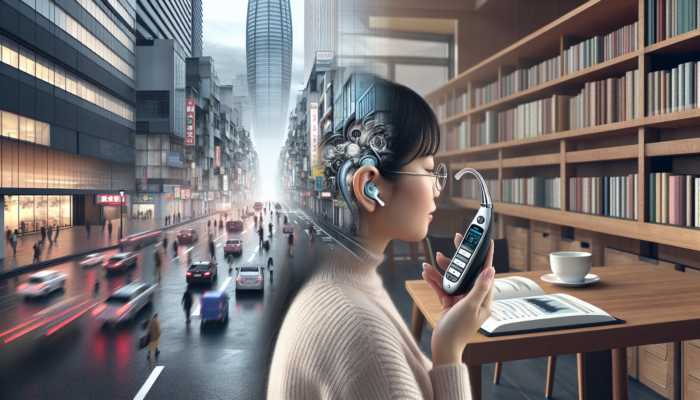
Categories
Health & Wellness Hearing Technology

Noise Reduction in Hearing Aids: Essential Insights Explained

Last Updated on 18/10/2025 by Admin

Unlocking the Advantages of Noise Reduction Technology in Hearing Aids

Understanding Key Technologies Behind Noise Reduction Systems

Noise reduction technology in hearing aids is meticulously designed to enhance speech clarity by effectively reducing distracting background noise. This innovative advancement provides a significantly more comfortable listening experience for users, particularly for those who often find themselves in loud settings, such as busy restaurants, crowded buses, or energetic social gatherings. The effectiveness of noise reduction technology has a profound impact on day-to-day interactions and overall life quality for those who rely on hearing aids. A variety of essential technologies contribute to effective noise reduction, including:

  • Directional Microphones – These advanced microphones concentrate on capturing sounds from a specific direction while effectively minimising noise from other sources, thereby enhancing clarity.
  • Digital Signal Processing (DSP) – DSP facilitates complex sound analysis, allowing for real-time adjustments that respond to changing environmental noise levels.
  • Noise Suppression Algorithms – These sophisticated algorithms distinguish between speech and background noise, amplifying the former while diminishing the latter, which ensures effective communication.
  • Feedback Cancellation – This technology effectively removes unwanted sounds generated by feedback loops, resulting in a clearer listening experience.
  • Wind Noise Reduction – Tailored systems that significantly reduce disruptive wind sounds, especially beneficial for outdoor environments.
  • Automatic Volume Control – This feature intelligently adjusts the hearing aid’s loudness in response to fluctuating sound levels, ensuring sustained clarity.
  • Adaptive Noise Reduction – This system automatically adapts to varying sound environments, ensuring optimal performance in diverse settings.
  • Environmental Noise Management – It continuously assesses ambient noise levels and adjusts settings accordingly to enhance user experience.

The combination of these technologies provides users with a versatile listening experience, enabling them to effortlessly navigate through a variety of soundscapes with comfort and confidence.

Exploring Various Noise Reduction Systems for Enhanced Hearing

Numerous distinct noise reduction systems are employed in hearing aids, each meticulously crafted to cater to different noise environments with precision. These systems address a wide array of auditory requirements, thereby improving user experience and the overall effectiveness of hearing aids in everyday situations. Key types of noise reduction systems include:

  • Multiband Noise Reduction – This approach segments sounds into multiple frequency bands, allowing for customised noise suppression across various tones, thus enhancing clarity.
  • Fixed Noise Reduction – A straightforward method where specific noise frequencies are consistently reduced, ideally suited for stable environments.
  • Adaptive Noise Reduction – This system dynamically modifies settings based on surrounding noise levels, providing real-time adjustments for optimal clarity.
  • Wind Noise Management – Specifically designed to counteract wind noise, which is essential for outdoor activities.
  • Directional Noise Reduction – Enhances sounds from targeted directions while minimising others, especially helpful during conversations.
  • Sound Classification Systems – These systems assess the sound environment and categorise it, adjusting noise reduction parameters for enhanced clarity accordingly.
  • Smart Noise Reduction – Utilises machine learning to improve performance over time by adapting to user preferences and typical environments.
  • Speech Enhancement Systems – Focuses on amplifying speech sounds while suppressing ambient noise, thereby improving conversation clarity overall.

Each of these systems has been meticulously engineered to tackle the unique auditory challenges faced by users, contributing to a more nuanced and effective hearing aid experience.

What Impact Does Noise Reduction Have on User Satisfaction?

The primary objective of noise reduction technology is to filter out distracting sounds, leading to a significant enhancement in the quality of life for hearing aid users. By effectively minimising background noise, individuals can engage more fully in conversations, partake in social activities, and experience greater confidence in their auditory interactions. This technology has the potential to transform everyday scenarios, making them more enjoyable and accessible for users.

For instance, in vibrant environments such as cafés or bustling streets, users equipped with advanced noise reduction systems can focus on conversations without being overwhelmed by surrounding chatter. This capability promotes improved communication, reduces feelings of isolation, and encourages social interactions. Hearing aid users frequently report feeling more at ease in social settings, as the technology allows them to participate actively rather than straining to hear amidst distractions.

Furthermore, noise reduction contributes to overall listening comfort by alleviating auditory fatigue. Continuous exposure to background noise can lead to discomfort and stress, making it difficult for users to remain engaged. By relieving this burden, noise reduction technology fosters a more pleasant auditory experience, ultimately supporting mental well-being and enhancing user satisfaction.

Examining the Functionality of Noise Reduction in Hearing Aids

What Are the Cutting-Edge Developments in Noise Reduction Technology?

Recent advancements in noise reduction technology have resulted in the development of more sophisticated hearing aids that can seamlessly adapt to different environments. Manufacturers are harnessing state-of-the-art algorithms and machine learning to enhance the adaptability of hearing aids, enabling them to accurately identify and respond to diverse soundscapes. For example, modern devices can distinguish between the lively atmosphere of a busy café and the calm setting of a quiet library, adjusting their settings accordingly for optimal performance.

One of the most groundbreaking advancements is the integration of artificial intelligence (AI), which facilitates real-time sound analysis. This innovative technology allows hearing aids to learn from their surroundings and user preferences, optimising performance in various situations. Consequently, users experience superior sound quality and improved speech recognition, even in challenging auditory environments.

Another remarkable development is the move towards personalised hearing aid experiences. Many contemporary models offer customisable settings that can be tailored to individual preferences, granting users greater control over their auditory experiences. This level of personalisation enhances user satisfaction, allowing individuals to fine-tune their hearing aids to meet their unique auditory requirements.

Overall, these advancements are propelling the industry forward, making hearing aids not only more efficient in noise reduction but also more user-friendly and adaptable to the demands of daily life.

How Do Audiologists Optimise Noise Reduction Settings for Users?

Audiologists and hearing specialists play an essential role in optimising noise reduction settings based on individual hearing profiles. Their expertise ensures that each user’s hearing aid is finely tuned to address their specific needs, thereby enhancing overall performance. The process typically involves several actionable steps:

1. Comprehensive Hearing Assessment: The first step entails a detailed evaluation of the user’s hearing capabilities, including the types and levels of hearing loss. This assessment informs the professional about the necessary adjustments needed in the noise reduction settings to improve clarity.

2. Identifying Listening Environments: Professionals discuss with users the typical environments they frequent, whether tranquil spaces or noisy social gatherings. Understanding these scenarios aids in customising the hearing aid’s performance for optimal use.

3. Adjusting Noise Reduction Parameters: Based on the assessment, audiologists make specific adjustments within the hearing aid, including the level of background noise suppression and the focus of directional microphones. This fine-tuning aims to enhance clarity while preserving the natural sound quality.

4. User Feedback and Iteration: After initial adjustments, professionals often seek feedback from users during follow-up appointments. This feedback loop facilitates further refinements based on the user’s experiences and preferences, ensuring satisfaction.

5. Education on Usage: Teaching users how to effectively utilise their hearing aids, including adjusting settings in different environments, empowers them to maximise their devices’ potential.

By following these steps, hearing specialists guarantee that noise reduction features are tailored to individual needs, ultimately enhancing user satisfaction and overall auditory experiences.

Assessing the Impact of Noise Reduction Technology on Hearing Health

Effective noise reduction technology can profoundly impact long-term hearing health, especially for individuals who regularly use hearing aids. One of the primary benefits is the prevention of auditory fatigue, which can occur when users are constantly exposed to background noise without relief. By minimising this unwanted noise, hearing aids can significantly reduce the strain on users’ auditory systems, promoting healthier hearing over time.

Moreover, the consistent use of advanced noise reduction features can protect users from further hearing damage. Continuous exposure to loud environments can exacerbate existing hearing issues, making it vital to have effective noise management strategies in place. Hearing aids equipped with sophisticated noise reduction systems help mitigate this risk by providing a more comfortable listening experience, allowing users to engage in their surroundings without overwhelming their auditory faculties.

On a psychological level, the benefits of effective noise reduction extend beyond physical hearing health. Users often report reduced levels of stress and anxiety in social situations, knowing that their hearing aids will provide clarity in conversations. This reassurance can lead to increased confidence and a greater willingness to participate in various activities, ultimately enhancing their overall quality of life.

In essence, the impact of noise reduction technology is twofold: it safeguards hearing health while also promoting psychological well-being, making it an essential aspect of contemporary hearing aids.

How Does Noise Reduction Technology Enhance Speech Clarity?

Noise reduction technology plays a vital role in improving speech clarity for hearing aid users. By isolating and amplifying speech signals while simultaneously suppressing background noise, these systems significantly enhance speech intelligibility, making conversations easier to understand. This capability is especially crucial in noisy environments where comprehending verbal communication can be challenging.

The mechanisms behind this enhancement involve advanced algorithms that differentiate between speech and non-speech sounds. Hearing aids equipped with these algorithms analyse incoming sounds, selectively amplifying vocal frequencies while reducing competing noise. This targeted approach ensures that users can focus on conversations, even amidst distractions from nearby chatter or ambient sounds in a crowded room.

User testimonials frequently highlight significant improvements in understanding conversations, particularly in challenging settings. Many individuals report that effective noise reduction allows them to engage more fully in discussions, reconnecting with friends and family in ways they may have thought were lost. This boost in speech clarity transforms social interactions, enabling users to participate actively rather than straining to hear.

Overall, noise reduction technology not only enhances immediate communication but also fosters deeper connections, enriching the social lives of hearing aid users.

Research-Backed Insights into Noise Reduction in Hearing Aids

Studies Demonstrating the Effectiveness of Noise Reduction Technology

Research consistently illustrates that noise reduction technology in hearing aids significantly enhances user satisfaction and communication effectiveness. Various studies have shown a direct correlation between implementing noise reduction features and improved user experiences. For instance, one study revealed that users equipped with noise-reducing hearing aids reported a noticeable decrease in background noise interference, leading to enhanced speech comprehension and overall satisfaction.

Real-world examples further illuminate the positive impact of noise reduction in various settings. In one instance, a group of hearing aid users participated in a social gathering in a noisy environment. Those utilizing advanced noise reduction technology experienced significantly less difficulty engaging in conversations compared to their counterparts with basic models. Their ability to focus on speech while minimising distractions was attributed to the sophisticated noise reduction systems integrated into their devices.

These findings underscore the importance of investing in advanced hearing aid technology, as the benefits extend beyond mere convenience. Enhanced communication effectiveness can lead to increased socialisation, decreased feelings of isolation, and an overall enhancement in the quality of life for users.

Long-Term Advantages of Using Noise Reduction Technology

Longitudinal studies indicate that the consistent use of noise reduction technology can help preserve hearing health over time by alleviating the strain caused by continuous exposure to loud and disruptive sounds. Prolonged noise exposure can lead to auditory damage, including increased sensitivity to sound and accelerated hearing loss. By implementing effective noise management strategies, users can significantly mitigate these risks.

One notable study tracked hearing aid users over several years, revealing that individuals who utilised advanced noise reduction features demonstrated slower rates of hearing deterioration compared to those who did not. This highlights the protective nature of noise reduction systems, which enhance immediate listening experiences and contribute to long-term hearing preservation.

Furthermore, users often report a decrease in instances of auditory fatigue when using hearing aids with effective noise reduction. This reduction in fatigue allows users to engage in daily activities more easily, fostering healthier communication habits and encouraging regular social interactions.

The implications of these findings are profound, emphasising the importance of noise reduction technology in hearing aids as a means of sustaining hearing health and improving the overall quality of life for users.

What Psychological Advantages Are Associated with Noise Reduction Technology?

Effective noise reduction technology offers significant psychological benefits for hearing aid users, leading to reduced stress levels and increased confidence in social situations. The ability to filter out background noise enhances auditory clarity, allowing users to engage more fully in conversations without the anxiety of missing key information. This clarity fosters a sense of empowerment and control over their communication experiences, enhancing their overall well-being.

Users often report improved social interactions as a direct result of enhanced speech intelligibility. Feeling confident in their ability to hear and understand others reduces feelings of isolation, which can be prevalent among individuals with hearing difficulties. This newfound confidence encourages individuals to participate more actively in social settings, leading to a richer, more fulfilling social life.

Moreover, the reduction of auditory fatigue plays a critical role in overall mental well-being. Users no longer need to exert excessive effort to comprehend conversations, allowing them to relax and enjoy interactions without the burden of constant strain. This shift not only alleviates stress but also enhances overall mental health, contributing to a more positive outlook on life.

In essence, the psychological benefits of noise reduction technology extend beyond auditory improvements. By fostering confidence and reducing stress, effective noise management becomes a vital component of a holistic approach to hearing health and emotional well-being.

What Challenges Are Associated with Implementing Noise Reduction Technology?

Technical Hurdles of Current Noise Reduction Systems

Despite advancements in noise reduction technology, several technical limitations persist that hinder the complete elimination of background noise without compromising speech quality. One of the primary challenges is the differentiation between speech and non-speech sounds, especially in complex auditory environments. While algorithms have improved, they may still struggle in scenarios where multiple speakers or unpredictable sounds dominate the auditory landscape.

Another limitation is the potential for noise reduction systems to inadvertently suppress important sounds that users need to hear, such as alarms or the voices of loved ones. Striking a balance between effective noise reduction and maintaining awareness of critical auditory cues remains a challenge for manufacturers, requiring ongoing innovation.

Moreover, some users may experience discomfort when noise reduction systems overly suppress certain frequencies, leading to diminished overall sound quality. This issue emphasises the necessity for continuous advancements in the design and functionality of noise reduction systems to enhance performance while also retaining the naturalness of sound.

Overall, these technical challenges highlight the complexity of developing effective noise reduction technologies that cater to diverse auditory needs while ensuring user satisfaction and comfort.

How Do Users Adjust to Noise Reduction Technology?

User adaptation to noise reduction technology can present significant challenges as individuals learn to navigate the changes in sound processing that accompany these advanced features. Many users may require time to adjust to the new auditory experience, particularly if they are transitioning from a basic model to one equipped with sophisticated noise reduction capabilities.

Initially, users may find the sound processing different or unfamiliar, leading to feelings of frustration or discomfort. The sudden filtration of background noise can create a sense of isolation if users are not accustomed to the quieter auditory landscape. Therefore, patience and gradual adaptation are crucial during this transition period.

Audiologists play an essential role in facilitating this adjustment by providing education and support. By guiding users through the changes they can expect and offering strategies to enhance their comfort level, hearing specialists can ease the adaptation process. Encouraging users to practice in various environments and providing opportunities for feedback can also foster a smoother transition to using advanced technology.

Ultimately, user adaptation to noise reduction technology is a pathway to greater auditory satisfaction, enabling individuals to fully benefit from the enhancements offered by modern hearing aids.

Balancing Noise Reduction with High Sound Quality

Achieving an optimal balance between noise reduction and sound quality remains a key challenge for hearing aid manufacturers. As noise reduction technologies become more sophisticated, the risk of compromising the naturalness of sound increases. Users often seek a seamless auditory experience, where background noise is minimised while the richness of sound is preserved.

One common issue arises when aggressive noise suppression leads to a flattening of sound quality, reducing the dynamic range of audio. This can result in muffled sounds or a perception of artificiality, which can be off-putting for users. Manufacturers must navigate this delicate balance, ensuring that noise reduction does not detract from the overall auditory experience.

To address this challenge, many manufacturers are investing in research to develop hybrid systems that combine effective noise reduction with advanced sound processing techniques. This approach aims to enhance clarity while preserving the intricacies of sound, making conversations and music more enjoyable for users.

User feedback is invaluable in this process, as it provides insights into preferences and perceived sound quality. By incorporating user experiences into product development, manufacturers can work towards creating hearing aids that satisfy both the need for noise reduction and the desire for natural sound fidelity.

Cost Implications for Advanced Noise Reduction Technologies

The implementation of sophisticated noise reduction systems can significantly increase the cost of hearing aids, potentially limiting accessibility for some users. Advanced technologies often require more intricate design processes, extensive research, and higher-quality components, which can drive up the retail price of these devices.

For many individuals, the cost of hearing aids is a critical factor in their decision-making process. While advanced noise reduction features enhance the user experience, the financial burden may discourage some from investing in these technologies. As a result, there is a pressing need for strategies to make these innovations more accessible to a broader audience.

Manufacturers and hearing specialists can collaborate to provide financial assistance options, such as payment plans or subsidies, to help alleviate the financial constraints faced by many users. Additionally, advocating for insurance coverage for hearing aids and their associated technologies is crucial to ensure that more individuals can access the benefits of advanced noise reduction systems.

Ultimately, addressing the cost implications of advanced noise reduction technologies is essential to ensure that all individuals can experience the enhancements these systems offer.

Environmental Variability and Its Influence on Noise Reduction Performance

Noise reduction performance can vary widely across different environments, posing a challenge in achieving consistent effectiveness in diverse settings. Factors such as background noise levels, acoustics, and environmental conditions can all influence how well noise reduction systems operate. For instance, a hearing aid might excel in managing noise in a quiet office but struggle in a crowded restaurant filled with overlapping conversations.

Such environmental variability necessitates a flexible approach to noise reduction technology. Adaptive systems that can assess and respond to different acoustic environments are essential for optimising performance. However, even the most advanced systems may encounter difficulties when unexpected noises arise, such as sudden loud sounds or conversations from multiple speakers.

User experiences also play a significant role in determining the effectiveness of noise reduction in various environments. Many users may have specific preferences or sensitivities that affect their expectations of performance. For instance, some may prefer a more aggressive approach to noise suppression in chaotic environments, while others may favour a more natural sound experience.

Manufacturers continue to innovate, focusing on developing models that can dynamically adapt to changing environments, providing users with the best possible auditory experience regardless of their surroundings. This ongoing effort highlights the critical need for research and development to enhance the adaptability of noise reduction systems in hearing aids.

Emerging Trends in Noise Reduction Technology

Innovations Shaping the Future of Hearing Aids

The future of noise reduction in hearing aids looks promising, with ongoing research focused on creating more adaptive and personalised systems. Innovations are increasingly geared towards developing hearing aids that not only respond to changing environments but also learn from user behaviour. This progression involves harnessing advanced algorithms and machine learning techniques to enhance the adaptability of noise reduction systems.

One exciting area of development is the integration of biometric sensors into hearing aids. These sensors can monitor users’ physiological responses, allowing devices to adjust noise reduction settings based on real-time data. For example, if a user demonstrates signs of stress in a noisy environment, the hearing aid could automatically enhance noise suppression to facilitate a more comfortable listening experience.

Moreover, the potential for integrating hearing aids with other smart technologies is expanding. Future devices may connect with smartphones and other gadgets, providing users with a seamless auditory experience. This connectivity would enable users to customise their settings through mobile applications, further personalising their noise reduction experiences.

As researchers continue to explore new materials and technologies, the goal is to create hearing aids that are not only more effective in noise reduction but also more compact, lightweight, and comfortable for prolonged use. This forward-thinking approach promises to redefine the auditory landscape for users worldwide.

Interconnectivity with Other Technologies Enhancing Hearing Aids

Noise reduction technology is increasingly being integrated with other smart features to enhance overall hearing aid functionality. This trend reflects a growing understanding of the diverse needs of users and the importance of providing comprehensive solutions that improve their auditory experiences.

One key area of integration involves combining noise reduction systems with connectivity options such as Bluetooth. This allows users to stream audio directly from their devices, whether it be music, phone calls, or television sound. By incorporating noise reduction features in these scenarios, users can enjoy clearer audio without the interference of background sounds, thereby enhancing their listening experience.

Additionally, advancements in social media and communication technologies have prompted the development of hearing aids that can interface with various platforms. This connectivity enables users to engage in virtual meetings, participate in online classes, and communicate through messaging apps seamlessly. The incorporation of noise reduction technology in these contexts ensures that users can fully participate, regardless of their environment.

Moreover, the integration of voice recognition and natural language processing is allowing hearing aids to understand and respond to users’ verbal commands. This feature simplifies the process of adjusting settings in real time, making it easier for users to manage their auditory environments on the go, thereby enhancing overall user experience.

The future of hearing aids is undoubtedly intertwined with advancements in smart technology, creating a more holistic and user-friendly auditory experience that meets the demands of modern life.

What Will Be the Impact of AI on Noise Reduction in Hearing Aids?

Artificial intelligence is poised to revolutionise noise reduction in hearing aids by offering more personalised and dynamic adjustments based on real-time environmental analysis. The integration of AI into hearing aids allows these devices to learn from user preferences and adapt their noise reduction strategies accordingly, enhancing the overall listening experience.

For instance, machine learning algorithms can analyse a user’s typical environments and sound preferences, allowing the hearing aid to optimise its settings automatically. As users transition from one environment to another—such as moving from a quiet home to a bustling city street—the AI can adjust the noise reduction parameters to suit the new conditions, ensuring optimal auditory clarity at all times.

Furthermore, AI has the potential to enhance the accuracy of speech recognition, allowing for better differentiation between voice and background noise. This improvement could lead to more effective communication in complex auditory environments, where multiple sounds compete for attention.

The implications of AI-enhanced noise reduction extend beyond mere functionality; they also offer the promise of a more personalised user experience. Hearing aids could be tailored not only to address hearing loss but also to reflect individual preferences, making the devices more user-centric and responsive to user needs.

In summary, the impact of AI on noise reduction technology in hearing aids is significant, paving the way for innovative solutions that prioritise user comfort, adaptability, and overall auditory satisfaction.

Frequently Asked Questions About Noise Reduction in Hearing Aids

What Is Noise Reduction Technology in Hearing Aids?

Noise reduction technology in hearing aids is designed to minimise background noise while enhancing speech clarity, providing users with a more comfortable listening experience across various environments.

How Do Hearing Aids Reduce Background Noise Effectively?

Hearing aids utilise advanced algorithms and technologies such as directional microphones and digital signal processing to isolate speech sounds and suppress unwanted background noise, improving overall sound clarity for users.

Can Noise Reduction Technology Help in Noisy Environments?

Yes, noise reduction technology is particularly beneficial in noisy environments, as it enables users to focus on conversations while minimising distractions, resulting in a better social experience and improved communication.

What Factors Influence the Effectiveness of Noise Reduction in Hearing Aids?

Factors such as the type of noise reduction technology employed, environmental acoustics, and the user’s specific hearing profile can significantly influence the effectiveness of noise reduction systems in hearing aids.

How Do Audiologists Fine-Tune Noise Reduction Settings for Users?

Audiologists assess individual hearing profiles, identify typical listening environments, and make precise adjustments to noise reduction settings, ensuring optimal performance tailored to the user’s unique needs.

What Are the Long-Term Benefits of Using Noise Reduction Hearing Aids?

The long-term benefits include preserving hearing health, reducing auditory fatigue, and enhancing overall quality of life through improved communication experiences and social interactions.

Are There Any Downsides to Noise Reduction Technology?

Some downsides include potential challenges in balancing noise reduction with sound quality and user adaptation to new sound processing, which may require time and support for optimal results.

What Future Trends Can We Expect in Noise Reduction Technology?

Future trends include innovations in AI and machine learning for personalised adjustments, improved integration with smart technologies, and continued advancements in adaptive noise reduction systems for enhanced user experiences.

How Can Someone Choose the Right Hearing Aid with Noise Reduction Features?

Choosing the right hearing aid involves consulting with an audiologist, assessing personal hearing needs, considering typical environments, and exploring various models with effective noise reduction features to meet individual requirements.

Is Noise Reduction Technology Suitable for All Hearing Aid Users?

While noise reduction technology provides significant benefits for many users, its effectiveness can vary based on individual hearing profiles and specific auditory needs, making personalised assessments essential for optimal fitting.

Explore our journey on X!

The post Noise Reduction in Hearing Aids: A Complete Overview appeared first on The Microsuction Ear Wax Removal Network.

The post Noise Reduction in Hearing Aids: A Complete Overview appeared first on Healthcare Marketing Service.

Categories
Health & Wellness Hearing Technology

Smart Hearing Aids: Advancements in Technology

Revolutionary Advancements in Hearing Aid Technology

Leveraging Artificial Intelligence to Transform Hearing Aids

Advanced AI hearing aid with sleek design, adapting to user's preferences, enhancing sound clarity and comfort.

Recent advancements in hearing aid technology are largely attributed to the integration of Artificial Intelligence (AI), which has transformed these devices into highly adaptive tools that respond to individual auditory preferences and varying environmental sounds. Over time, AI-powered hearing aids accumulate data from user interactions, refining sound quality and significantly improving the overall listening experience. These cutting-edge devices meticulously evaluate various listening environments, making adjustments to enhance clarity and comfort. Key functionalities of modern AI hearing aids include:

  • Automatic Sound Adjustment: Real-time analysis of sound environments enables devices to automatically switch modes according to user needs.
  • Personalized Hearing Profiles: AI learns the unique preferences of each user, ensuring optimal sound quality for a customised experience.
  • Context Awareness: The ability to discern when to prioritise speech over background noise greatly enhances communication.
  • Real-Time Feedback: Immediate adjustments based on the user’s auditory experiences guarantee optimal performance.
  • Health Monitoring: Some models include features that monitor health metrics alongside hearing capabilities.

The seamless incorporation of AI technology enhances the user experience, effectively transforming hearing aids from basic devices into personalised companions that significantly contribute to auditory health.

Prioritising Miniaturisation for Ultimate Comfort and Discretion

The ongoing trend of miniaturisation in hearing aid design has greatly improved user comfort and acceptance. Today’s hearing aids are meticulously crafted to be smaller and more discreet, allowing them to fit snugly behind the ear or within the ear canal without attracting attention. This evolution plays a vital role in reshaping perceptions about hearing aids, turning them from conspicuous devices into subtle aids that users can wear confidently in any social setting.

Manufacturers employ advanced materials and innovative engineering techniques to create hearing aids that seamlessly blend functionality with comfort. Many contemporary designs prioritise ergonomic shapes that conform to the natural anatomy of the ear, significantly alleviating discomfort during extended use. Additionally, diverse styles, such as completely-in-canal (CIC) and receiver-in-canal (RIC) models, cater to aesthetic preferences and lifestyle needs, further encouraging user adoption.

Moreover, technological advancements have led to enhanced durability and water resistance in these compact models, making them suitable for a variety of environments and activities. This combination of comfort, aesthetic appeal, and robustness is essential for boosting user satisfaction and ensuring consistent hearing aid usage.

Transforming Connectivity Through Wireless Technology

The evolution of hearing aids has been profoundly impacted by the advent of wireless connectivity, allowing these devices to connect effortlessly to smartphones and other digital devices. This feature transforms the user experience by enabling direct audio streaming from phones, tablets, or televisions. Users can enjoy music, phone calls, and other audio content without the need for additional accessories, significantly enhancing convenience and accessibility.

Dedicated applications provide users with control over various settings, such as volume adjustments and sound profiles, directly from their smartphones. This level of personalisation is invaluable, empowering users to tailor their hearing experience to any environment, whether in a bustling café or a peaceful library. The integration of wireless technology also allows for firmware updates, ensuring users access the latest features and improvements without needing to visit an audiologist.

The introduction of Bluetooth hearing aids marks a significant technological advancement. These devices typically offer multi-connectivity options, enabling users to connect with multiple devices simultaneously. This progression simplifies daily interactions and promotes a more integrated lifestyle, allowing users to manage their auditory health alongside other digital experiences.

Adopting Rechargeable Battery Technology for Sustainability

Modern hearing aid with lithium-ion battery on charging dock, eco-friendly background.

The advent of rechargeable batteries in hearing aids signifies a crucial shift towards sustainability and user convenience. Traditional hearing aids have relied on disposable batteries, leading to a cycle of constant replacements that can be both inconvenient and environmentally detrimental. Rechargeable models eliminate this necessity, offering users a more efficient and eco-friendly solution.

Users can enjoy prolonged usage without the stress of running out of power at critical moments. Modern rechargeable hearing aids typically utilise lithium-ion batteries, providing extended battery life on a single charge compared to their disposable counterparts. Most models allow for overnight charging, ensuring devices are ready for daily use.

Additionally, many rechargeable models feature fast-charging capabilities, enabling users to gain several hours of hearing support from just a few minutes of charging. The convenience of simply placing the hearing aids in a docking station overnight also enhances user compliance, making it easier to incorporate auditory health management into daily routines. This innovation not only boosts user satisfaction but also promotes a more sustainable approach to hearing aid technology.

Enhancements in Noise Cancellation Technology for Superior Listening

Advanced <a href="https://www.earwaxremoval.net/hearing-aid-technology-discovering-the-science-behind-it/">noise cancellation technology</a> in contemporary hearing aids has transformed how users experience sound in various environments. These sophisticated devices utilise complex algorithms to filter out unwanted background noise, significantly enhancing speech clarity and overall listening enjoyment. This capability is particularly vital in noisy settings such as bustling restaurants or public transport, where understanding speech can prove challenging.

Noise cancellation is achieved through a combination of multiple microphones and digital signal processing techniques. By employing directional microphones, hearing aids can concentrate on sounds originating from specific directions—such as a person speaking directly in front of the user—while minimising sounds from other areas. This ability not only enhances the user’s capacity to engage in conversations but also reduces auditory fatigue, which can occur when users struggle to filter out background noise.

Furthermore, many advanced models incorporate adaptive noise reduction features that automatically adjust based on the listening environment. Users can enjoy a personalised auditory experience, as the hearing aids learn and adapt to their surroundings in real-time. This technology significantly elevates overall user satisfaction, allowing individuals to enjoy their auditory experiences without compromise in various settings.

Insights from Experts Regarding the Future of Smart Hearing Aids

How Do Experts Envision the Future of Hearing Aids?

Futuristic hearing aids with AI and health tech integration, personalized to user's auditory profile and environment.

Experts widely agree that the future of hearing aids will be shaped by ongoing innovation, particularly in the fields of personalisation and integration with other health technologies. As advancements in artificial intelligence and machine learning continue to progress, hearing aids are expected to become increasingly sophisticated, offering tailored solutions that cater to the unique auditory profiles of users. The trend towards personalisation ensures that hearing aids will not only amplify sound but also interpret and adjust to individual preferences and environmental factors.

Furthermore, the integration of hearing aids with other health technologies is projected to spark the next wave of innovation. As consumers increasingly seek devices that address holistic health monitoring, the potential for hearing aids to track additional parameters—such as heart rate, activity levels, and even cognitive health—becomes more realistic. Experts predict a future where hearing aids function as multi-faceted health devices, contributing to overall well-being alongside auditory support.

In addition to technological advancements, experts highlight the importance of user engagement and feedback in shaping the future landscape of hearing aids. The push for more intuitive and user-friendly designs will emerge from understanding user experiences and refining existing technology based on those insights. As the demographic ages and awareness of hearing health increases, the demand for smarter hearing solutions will intensify, paving the way for groundbreaking innovations.

What Role Does Research Play in the Development of Hearing Aids?

Research is fundamental to developing smarter hearing aids, serving as the foundation for identifying user needs and exploring technological possibilities. Through rigorous studies and clinical trials, researchers collect essential data that informs product design, ensuring that new hearing aids effectively tackle the challenges faced by users. This iterative process is crucial for creating solutions that are not only innovative but also practical and beneficial.

Ongoing research efforts focus on various aspects, including sound processing algorithms, battery technology, and user experience. For instance, studies examining how different auditory environments impact user satisfaction enable manufacturers to refine their noise cancellation technologies to better serve diverse users. Additionally, research into the psychological impacts of hearing loss and device usage informs the design of features that promote mental well-being, further enhancing user experience.

Moreover, collaboration between academic institutions, healthcare professionals, and technology companies is vital in fostering innovation. These partnerships facilitate knowledge sharing, enabling the development of new ideas and approaches that drive the industry forward. Ultimately, research plays an indispensable role in ensuring that hearing aids evolve in response to real-world needs, thereby enhancing their effectiveness and user acceptance.

Why Is User Feedback Essential in Hearing Aid Development?

User feedback serves as a critical component in the evolution of hearing aid technology, playing a vital role in refining product features and ensuring they meet real-world needs. Manufacturers increasingly recognise that engaging with users and understanding their experiences can lead to more effective and satisfying solutions. By incorporating user insights into the development process, companies can create devices that resonate with actual expectations and preferences.

A systematic approach to collecting user feedback involves surveys, focus groups, and in-field testing. These methods yield invaluable data regarding user experiences, highlighting areas for improvement and identifying desired features. For instance, users may express the need for more intuitive controls or enhanced wireless connectivity. By addressing these insights, manufacturers can prioritise developments that enhance user satisfaction and foster greater acceptance of hearing aids.

Additionally, ongoing feedback mechanisms allow users to contribute to the iterative design process even after product launch. This responsiveness not only improves individual devices but also strengthens the relationship between users and manufacturers. As users feel heard and valued, their willingness to adopt and consistently use hearing aids increases, ultimately leading to better auditory health outcomes.

How Are AI and Machine Learning Revolutionising Hearing Aids?

AI and machine learning are fundamentally reshaping the landscape of hearing aids, significantly enhancing sound processing capabilities and enabling real-time adjustments to user experiences. These technologies empower hearing aids to analyse complex sound environments, distinguishing between speech and background noise with remarkable accuracy. This capability is particularly crucial for individuals navigating diverse auditory settings, from bustling city streets to quiet home environments.

Machine learning algorithms allow hearing aids to learn from user behaviour and preferences, automatically adjusting sound profiles based on previous choices. For instance, if a user frequently increases the volume in noisy settings, the device may proactively adjust itself in similar situations, optimising auditory input without requiring manual intervention. This adaptability not only enhances user experience but also encourages deeper engagement with the technology.

Additionally, AI can facilitate predictive capabilities, anticipating user needs based on contextual factors. For example, if a user finds themselves in a crowded venue, the hearing aid might automatically switch to a noise reduction mode, ensuring that speech remains clear. This seamless integration of AI enhances the overall hearing experience, making devices smarter and more attuned to individual listening scenarios.

What Challenges Persist in Developing Smarter Hearing Aids?

While the progress made in developing smarter hearing aids is remarkable, several challenges persist that hinder further advancements. Engineers and designers face technical limitations, particularly in areas such as battery life, miniaturisation, and compatibility with existing technologies. For instance, while users demand smaller and more discreet devices, achieving this while maintaining battery efficiency poses a significant challenge. Ongoing research into energy-efficient components and advanced battery technology is crucial in addressing this issue.

Another challenge involves ensuring that new features integrate seamlessly with existing technologies. As hearing aids evolve into more connected devices, compatibility with various smartphones, applications, and digital ecosystems becomes essential. Manufacturers must prioritise interoperability to ensure users can benefit from new functionalities without encountering technical hurdles.

Additionally, there is a pressing need for comprehensive user education regarding new features and technologies. As devices evolve, users may feel overwhelmed by the complexity of new functionalities. Manufacturers must invest in user-friendly designs and provide thorough resources to educate consumers, fostering confidence and ensuring that advancements in hearing aid technology translate into tangible benefits.

Substantial Benefits of Smarter Hearing Aids

Unmatched Enhancements in Sound Quality

The shift to smarter hearing aids brings numerous advantages to users, with enhanced sound quality being paramount. Modern hearing aids leverage advanced algorithms and digital signal processing techniques to optimise audio clarity, effectively reducing background noise while emphasising natural sounds. This enhancement is particularly pronounced in challenging acoustic environments where discerning speech can be daunting.

The implementation of sophisticated noise reduction technologies allows users to enjoy more vivid and clear auditory input. For instance, in a crowded restaurant, smart hearing aids can effectively filter out the clattering of dishes and overlapping conversations while amplifying the voice of a friend sitting across the table. This level of sound quality improvement fosters more meaningful communication, ultimately enhancing social interactions and relationships.

Moreover, smarter hearing aids can adapt to various environments, adjusting sound profiles based on the user’s surroundings. This contextual awareness ensures that users receive tailored auditory experiences, whether they are in a tranquil room or a lively park. Enhanced sound quality not only enriches daily interactions but also contributes to overall auditory health, as users are less likely to strain to hear in different settings.

Enhancing User Experience

The user experience of hearing aids has remarkably improved with the advent of smarter technology. Features such as rechargeable batteries, wireless connectivity, and customisable settings contribute to a more convenient and user-friendly experience. Users no longer face the inconvenience of frequently changing batteries, as rechargeable models provide a dependable and sustainable solution, enhancing daily usability.

Moreover, the ability to connect hearing aids to smartphones and other devices grants users unprecedented control over their auditory environment. Through dedicated applications, individuals can effortlessly adjust volume levels, switch between sound profiles, and fine-tune settings based on their preferences. This level of customisation empowers users to take charge of their hearing health, leading to greater satisfaction with their devices.

Enhanced user experience also extends to the aesthetic appeal of hearing aids. Smaller, more discreet designs make wearing them socially acceptable, reducing the stigma often linked to hearing loss. As users feel more confident in their devices, they are more likely to engage actively with their auditory health, reinforcing the importance of hearing aids in their daily lives.

What Are the Long-Term Benefits for Users?

The long-term advantages of utilising smarter hearing aids extend beyond immediate auditory improvements, significantly impacting users’ overall quality of life. With enhanced sound clarity and user-friendly features, individuals relying on smarter hearing aids often experience improved communication abilities, leading to more fulfilling social interactions. This positive shift can enhance personal relationships and community engagement, reducing feelings of isolation commonly associated with hearing loss.

Moreover, consistent use of advanced hearing aids can contribute to better hearing health over time. By facilitating clearer auditory experiences, users are less likely to strain their hearing or avoid social situations due to difficulty in understanding conversation. This proactive approach can slow the progression of hearing loss and mitigate associated cognitive decline, promoting mental well-being and overall health.

Additionally, the psychological benefits of using smarter hearing aids cannot be overstated. Improved access to sound and enhanced social connections foster a sense of belonging and emotional stability. Users who feel more engaged in conversations are likely to experience reduced feelings of loneliness and anxiety, which can have far-reaching effects on their mental health. Overall, the long-term advantages of smarter hearing aids underscore their significance in promoting a higher quality of life for individuals with hearing loss.

Research-Backed Benefits of Smarter Hearing Aids

What Do Studies Reveal About Hearing Aid Effectiveness?

Numerous studies indicate that smarter hearing aids significantly enhance users’ ability to comprehend speech in noisy environments, a common challenge faced by individuals with hearing loss. Research underscores that advanced algorithms and noise cancellation features empower users to engage in conversations with greater ease, even amidst background distractions. Real-world examples illustrate the effectiveness of these technologies; for instance, users report a marked improvement in their ability to follow conversations during social gatherings and public events.

In clinical trials, individuals using smarter hearing aids demonstrated higher speech perception scores in challenging listening situations compared to those with traditional models. These findings emphasise the necessity for continued innovation in hearing aid technology, highlighting the tangible benefits users experience in their daily lives. The data also supports the idea that effective hearing aids can transform social interactions, allowing individuals to reclaim their confidence in communication settings.

Furthermore, the implementation of AI and machine learning in hearing aids has been linked to personalised adjustments that cater to individual hearing profiles, enhancing overall effectiveness. Studies reveal that users engaging with these customisable features experience greater satisfaction and improved auditory outcomes, reinforcing the need for ongoing advancements in hearing aid technology.

How Does Modern Technology Impact Hearing Health?

Advanced technology in hearing aids significantly influences hearing health by facilitating continuous monitoring and management of auditory conditions. Smart hearing aids can track usage patterns, environmental exposure, and even the user’s physical activity, providing valuable data for healthcare professionals. This wealth of information enables timely interventions and personalised treatment plans, potentially slowing the progression of hearing loss.

Moreover, contemporary hearing aids often incorporate features that alert users to changes in their hearing health. For instance, some devices can signal when background noise levels become excessive, encouraging users to seek quieter environments. This proactive approach to hearing health management empowers users to take charge of their auditory experiences, fostering a sense of ownership over their well-being.

Additionally, many advanced hearing aids are designed to be more compatible with telehealth services, allowing for remote monitoring and support from audiologists. This connectivity enhances patient engagement and facilitates more frequent check-ins, ultimately contributing to better hearing health outcomes. As technology continues to evolve, its role in managing hearing health will expand, equipping individuals with the tools necessary to maintain their auditory well-being effectively.

What Psychological Benefits Are Associated With Smarter Hearing Aids?

The psychological benefits of using smarter hearing aids are profound, significantly influencing mental health and cognitive function. As individuals gain improved access to sounds and conversations, they experience a reduction in feelings of isolation and loneliness. This shift is crucial for mental well-being, as social interactions play a vital role in emotional health. Users who feel confident in their hearing abilities are more likely to engage in social activities, thereby enriching their lives and fostering meaningful connections.

Research indicates that individuals with hearing loss often report higher levels of anxiety and depression, which are linked to communication difficulties. However, the advent of smarter hearing aids, equipped with advanced technology, helps mitigate these feelings by enhancing user experience and promoting active participation in social settings. The improved auditory clarity fosters a sense of empowerment, allowing users to communicate more effectively and confidently.

Furthermore, studies suggest that cognitive function can benefit from the use of hearing aids. Engaging in conversations and stimulating auditory experiences can enhance cognitive processing, potentially reducing the risk of cognitive decline associated with untreated hearing loss. This correlation emphasises the importance of addressing auditory health not only for hearing clarity but also for overall cognitive well-being.

How Do Smarter Hearing Aids Enhance Social Interaction?

Smarter hearing aids play a pivotal role in improving users’ ability to engage in social interactions, breaking down communication barriers often associated with hearing loss. The advanced noise cancellation and sound amplification technologies embedded in these devices enable individuals to participate more fully in conversations, fostering deeper connections with family, friends, and peers.

Enhanced sound clarity allows users to discern speech amidst background noise, which is particularly beneficial in social settings such as restaurants, gatherings, and public events. Users report feeling more confident in their ability to contribute to conversations, positively influencing their relationships and social engagement. As individuals become more involved in social activities, they experience greater emotional satisfaction and reduce feelings of loneliness that often accompany hearing loss.

Moreover, as smarter hearing aids provide customisable settings tailored to specific environments, users have the flexibility to adjust their devices according to their surroundings. This adaptability fosters an enhanced auditory experience, enabling users to engage in a variety of social situations without discomfort or frustration. The resultant improvement in social interactions underscores the transformative impact of smarter hearing aids on users’ lives, reinforcing their value beyond mere auditory assistance.

The Integral Role of AI in Personalising the Hearing Aid Experience

AI technology plays a crucial role in personalising the hearing aid experience, allowing devices to adapt to users’ unique auditory preferences and environments. Smart hearing aids equipped with AI can analyse sounds in real-time, making instantaneous adjustments to enhance clarity and comfort based on individual user profiles. This level of personalisation goes beyond basic amplification, fostering an auditory experience tailored to the specific needs of each user.

Through machine learning algorithms, these devices can learn from user behaviour, understanding which settings work best in various environments and automatically adjusting accordingly. For instance, if a user frequently modifies their hearing aid to reduce background noise in busy settings, the device can remember this preference and apply it in similar situations without the user needing to make changes manually. This seamless adaptability enhances user experience and satisfaction, making hearing aids more intuitive and responsive.

Furthermore, AI-driven hearing aids can incorporate feedback from users, enabling continual refinement of sound quality and performance. This adaptive learning process ensures that the technology evolves alongside the user, providing a consistently optimised auditory experience. As AI continues to advance, the potential for even greater personalisation in hearing aids is likely to lead to improved outcomes and user engagement, solidifying the role of AI as a cornerstone in the future of hearing aid technology.

Challenges and Solutions in Hearing Aid Innovation

Overcoming Technical Barriers in Development

Innovators in the hearing aid industry face several technical limitations that challenge the development of smarter devices. Among these challenges, battery life remains a significant concern. Users demand small, convenient devices without sacrificing performance and duration. Ongoing research focuses on developing energy-efficient components and battery technologies that can sustain longer usage without compromising size. Innovations such as energy-efficient chips and advanced processing algorithms are being explored to enhance battery performance.

Another technical limitation is the processing power required for advanced features such as real-time sound processing and AI-based adjustments. As hearing aids become more sophisticated, the need for efficient processing increases, necessitating advancements in miniaturisation and chip design. Researchers are working on integrating more powerful processors while maintaining compact sizes, which is crucial for the next generation of hearing aids.

Moreover, ensuring compatibility with existing technologies poses an additional challenge. As hearing aids become more interconnected, maintaining seamless communication with smartphones, apps, and other devices is essential. Manufacturers must prioritise interoperability in their designs, ensuring users can fully benefit from features without encountering technical barriers.

Addressing Accessibility for All Users

Ensuring that smarter hearing aids are accessible to all users is paramount, particularly as technology evolves. User accessibility encompasses factors such as cost, usability, and inclusivity in design. Manufacturers must prioritise affordability in their offerings to reach broader demographics, particularly those who may be financially constrained. Exploring subsidy programs or offering tiered pricing models can help make advanced hearing aids more accessible.

Usability is also a critical component of user accessibility. Many older adults or individuals with limited technical proficiency may struggle with complex interfaces or features. Manufacturers can address this by designing user-friendly interfaces that simplify control and navigation, allowing users to adjust settings easily based on their preferences without needing extensive technical knowledge.

Inclusivity in design also plays a vital role in user accessibility. Hearing aids should cater to various user needs, including those with different degrees and types of hearing loss. Working closely with diverse user groups during the design process can ensure that devices meet the varied requirements of the population, fostering a sense of ownership and satisfaction among users.

How Can Manufacturers Boost User Adoption Rates?

Manufacturers can enhance user adoption of smarter hearing aids by implementing strategic educational initiatives that highlight the benefits and functionalities of advanced devices. Many potential users may remain unaware of the advancements in hearing aid technology or may harbour misconceptions about their effectiveness. By providing comprehensive information through workshops, online resources, and community outreach, manufacturers can demystify the technology and showcase its advantages.

Offering trial periods serves as another effective strategy for boosting user adoption. Allowing potential users to experience the advantages of hearing aids firsthand can alleviate apprehensions and encourage engagement. Trial programs enable individuals to assess comfort, functionality, and effectiveness in real-world environments, ultimately leading to higher acceptance rates.

Additionally, collaborating with healthcare professionals to foster trust is essential. Audiologists and hearing specialists play a crucial role in recommending hearing aids to their patients. By equipping professionals with up-to-date information regarding advancements in hearing aids, manufacturers can encourage them to advocate for smarter devices, positively influencing patients’ decisions.

Enhancing Sound Quality and User Customisation

A primary focus for innovators in hearing aid technology is enhancing sound quality and customisation to meet diverse user needs. Addressing this involves refining existing algorithms to improve sound processing capabilities, ensuring that users experience clear and natural sound reproduction. Advanced features, such as adaptive noise cancellation, allow users to filter out unwanted sounds based on their preferences, thereby enhancing overall auditory experiences.

Customisation is equally important for users who have unique auditory profiles. Hearing aids must be designed to accommodate individual preferences and types of hearing loss. Implementing user-friendly customisation options through mobile applications enables users to adjust settings easily, optimising their hearing experience based on personal preferences and environmental factors.

Additionally, collaboration with audiologists can significantly contribute to the enhancement of sound quality and customisation. By gathering user feedback and clinical insights, manufacturers can continuously refine their products, ensuring they remain at the forefront of technological advancements while meeting the evolving needs of their users.

Regulatory and Ethical Considerations in Hearing Aid Technology

As hearing aid technology rapidly advances, addressing regulatory and ethical considerations is crucial to ensure user safety and trust. Compliance with health regulations and industry standards is essential for manufacturers to maintain product efficacy and safety. Rigorous testing and validation processes must be implemented throughout the development lifecycle to ensure that new technologies meet established guidelines.

Data privacy and security represent another significant concern, particularly as hearing aids become more connected and integrated with health monitoring systems. Manufacturers must prioritise user privacy, implementing robust security measures to protect sensitive information shared through devices and applications. Transparent communication regarding data usage and user consent is vital to fostering trust and encouraging user adoption.

Moreover, ethical considerations related to accessibility must be taken into account, ensuring that advancements in hearing aid technology benefit a broad demographic. Manufacturers should strive to offer affordable options and consider the unique needs of diverse populations in their designs. By prioritising regulatory compliance, data security, and ethical practices, the hearing aid industry can pave the way for meaningful innovations that serve users effectively.

Emerging Trends in Hearing Aid Technology

Integration with Comprehensive Health Ecosystems

The future of hearing aids is poised for exciting developments, particularly regarding their integration into broader health ecosystems. As health technology continues to evolve, hearing aids are expected to collaborate with various health monitoring devices, enabling users to manage their auditory health alongside other health metrics. This integration can facilitate comprehensive health tracking, providing users with valuable insights into their overall well-being.

Envision a scenario where hearing aids not only amplify sound but also monitor heart rate, physical activity, and even sleep patterns, all while communicating this information to health apps for a holistic overview of the user’s health. This interconnectedness will empower users to take proactive measures, fostering healthier lifestyles and enhancing their quality of life.

Furthermore, as telehealth becomes more prevalent, the role of hearing aids in remote monitoring will likely expand. Users may benefit from virtual consultations with audiologists, allowing for timely adjustments to their devices based on real-time feedback without needing in-person visits. This trend underscores the importance of seamless connectivity and integration within health ecosystems, promoting comprehensive health management and user engagement.

Future Focus on Personalisation and Customisation

Future hearing aids will increasingly emphasise personalisation and customisation, allowing users to tailor their auditory experiences to an unprecedented degree. As AI and machine learning technologies continue to advance, hearing aids will be able to learn from users’ behaviours and preferences over time, automatically adjusting settings to optimise sound quality and clarity based on specific contexts.

Imagine a hearing aid that can recognise a user’s favourite coffee shop and automatically adjust its sound profile to account for the bustling environment—this level of personalisation will enhance the user experience and foster greater engagement with the technology. Additionally, advancements in user interfaces may allow users to customise their hearing profiles easily through intuitive applications, making the process of tailoring their experience seamless and straightforward.

Furthermore, as the demand for individualised solutions grows, manufacturers will likely develop hearing aids that cater to specific lifestyles and activities. For instance, users who frequently attend concerts or sports events may prefer features that enhance dynamic sound quality, while those who work in quiet environments may prioritise clarity and focus. This shift towards customisation will empower users, enabling them to take charge of their auditory health in ways that align with their lifestyles.

What Innovations Are on the Horizon for Hearing Aids?

The horizon for hearing aid technology is filled with potential innovations that promise to redefine user experiences and capabilities. Among the most exciting developments is the concept of brain-controlled hearing aids, which would leverage neural signals to enable users to control their devices with thought. This groundbreaking technology could revolutionise how users interact with their hearing aids, providing unparalleled ease of use and engagement.

Another anticipated innovation involves fully invisible hearing aids, designed to fit completely within the ear canal, making them virtually undetectable. This aesthetic advancement addresses user concerns about visibility and stigma, encouraging wider acceptance and adoption of hearing aids among individuals experiencing hearing loss.

Moreover, as technology continues to advance, the integration of augmented reality (AR) features into hearing aids could provide users with contextual auditory information. For instance, AR could enhance social interactions by providing real-time translations in multilingual environments, allowing users to engage more effectively in diverse settings.

As the hearing aid industry embraces these potential innovations, the future promises a dynamic landscape where advanced technology and user-centric design converge to create smarter, more effective hearing solutions that cater to the evolving needs of users worldwide.

Frequently Asked Questions About Smart Hearing Aids

What Are the Key Features of Smart Hearing Aids?

Smart hearing aids typically feature automatic sound adjustment, personalised hearing profiles, context awareness, real-time feedback, and health monitoring capabilities, ensuring a tailored auditory experience.

In What Ways Does AI Enhance Hearing Aids?

AI enhances hearing aids by enabling them to learn user preferences, analyse environmental sounds, and make real-time adjustments, resulting in improved sound quality and user satisfaction.

Are Rechargeable Hearing Aids Superior to Traditional Ones?

Yes, rechargeable hearing aids offer greater convenience, reduced waste, and longer battery life, making them a more sustainable choice compared to traditional disposable batteries.

Why Is User Feedback Important in Hearing Aid Development?

User feedback is crucial in refining hearing aid technology, helping manufacturers create features that meet real-world needs and enhance user satisfaction through continuous improvement.

What Psychological Benefits Are Associated With Using Smarter Hearing Aids?

Smarter hearing aids can reduce feelings of isolation, improve mental health outcomes, and enhance cognitive function by facilitating better communication and social interaction.

How Do Smarter Hearing Aids Facilitate Improved Social Interactions?

By providing enhanced sound clarity and customisable settings, smarter hearing aids enable users to engage more fully in conversations, fostering better social connections and reducing communication barriers.

What Challenges Do Manufacturers Encounter in Developing Smarter Hearing Aids?

Challenges include technical limitations like battery life, ensuring compatibility with existing technologies, and addressing user accessibility to maximise adoption rates.

What Innovations Can We Anticipate in the Future of Hearing Aids?

Future innovations may include brain-controlled hearing aids, fully invisible models, and integration with augmented reality features for enhanced auditory experiences in various settings.

How Does Technology Influence Overall Hearing Health?

Advanced technology in hearing aids facilitates ongoing monitoring and management of hearing health, potentially slowing the progression of hearing loss and enhancing overall well-being.

How Can Manufacturers Boost User Adoption of Smarter Hearing Aids?

Manufacturers can improve adoption through educational initiatives, trial offerings, and collaboration with healthcare professionals to build trust and showcase the benefits of advanced hearing aids.

Explore our world on X!

The post Hearing Aids Are Getting Smarter with Enhanced Technology appeared first on The Microsuction Ear Wax Removal Network.

Categories
Health & Wellness Hearing Technology

Smart Hearing Aids for an Enhanced Listening Experience

Last Updated on 22/09/2025 by Admin

Unlock the Benefits of Smart Hearing Aids for Superior Listening Experiences

What Are the Must-Have Features of Advanced Smart Hearing Aids?

Smart hearing aids represent a significant leap forward in auditory technology, meticulously designed to cater to the varied listening needs of individuals globally. In contrast to traditional hearing aids, these cutting-edge devices incorporate sophisticated electronics and software, allowing for a more enriched and intuitive auditory experience. Smart hearing aids are equipped with an array of features that empower users to adeptly navigate their acoustic environments. Key features include:

  • Adaptive sound settings that automatically modify to suit various environments
  • Connectivity options that facilitate audio streaming from smartphones, televisions, and other devices
  • Noise reduction technologies that diminish distracting background sounds
  • Personalized sound profiles crafted to meet individual hearing preferences
  • Rechargeable batteries for enhanced user convenience
  • Remote adjustment capabilities accessible via smartphone applications
  • Health monitoring features that track physical activity and send alerts
  • Virtual assistant integration for effortless hands-free control

These features collectively foster an enhanced listening experience by promoting a more tailored approach to sound management. As a result, users can enjoy clearer conversations, superior sound quality, and a deeply immersive auditory experience that elevates their daily interactions.

How Do Smart Hearing Aids Function to Deliver Effective Solutions?

Smart hearing aids operate on the principles of advanced digital signal processing, enabling them to analyse and manipulate sound waves in real-time. These devices are engineered to capture an extensive range of sounds, processing them to enhance clarity and intelligibility. They utilise various technologies, allowing users to effortlessly adapt to different acoustic environments. The technologies incorporated in smart hearing aids include:

  • Digital signal processing (DSP) for real-time sound enhancement
  • Directional microphones that hone in on sounds from specific directions
  • Bluetooth connectivity for seamless integration with smartphones and other devices
  • Artificial intelligence algorithms that learn and adapt to user preferences
  • Environmental sensors that monitor background noise levels
  • Feedback cancellation systems to eliminate whistling sounds
  • Multi-channel sound processing for improved clarity across various frequencies

By leveraging these advanced technologies, smart hearing aids can dynamically modify sound parameters, providing users with an optimal listening experience tailored to their specific needs. This adaptability not only enhances sound quality but also enriches social interactions, empowering users to engage more fully in conversations across diverse settings.

What Are the Primary Advantages of Using Smart Hearing Aids?

The benefits of using smart hearing aids extend far beyond mere sound quality enhancement. Users experience a plethora of improvements that can significantly enrich their quality of life. The primary advantages include:

  • Exceptional sound quality, facilitating clearer conversations and a more enjoyable music experience
  • Improved connectivity, allowing for direct audio streaming from various devices
  • Customisation options tailored to individual listening preferences
  • Increased independence through self-adjustable features and remote control
  • Enhanced speech recognition in noisy environments
  • Strengthened social engagement and improved relationships due to better communication
  • Health tracking features that promote overall well-being
  • Reduced listening fatigue through advanced noise management

As users incorporate smart hearing aids into their daily routines, they frequently report an uptick in participation in social activities and an enhancement in emotional well-being. Moreover, the ability to tailor sound settings to personal preferences results in a more enjoyable auditory experience, fostering deeper connections with family, friends, and the larger community.

Expert Insights on the Influence of Smart Hearing Aids on Listening Experiences

What Valuable Perspectives Do Experts Share Regarding Smart Hearing Aids?

Experts in the fields of audiology and hearing technology consistently emphasise the transformative potential of smart hearing aids. They highlight how the integration of advanced algorithms and adaptive features significantly elevates user satisfaction. For instance, leading audiologists note that users experience a marked improvement in their ability to comprehend speech, particularly in complex acoustic environments. One expert states, “The sophisticated technology embedded in smart hearing aids provides a tailored listening experience that was previously unattainable with conventional devices.”

Real-world examples further corroborate this viewpoint; users report heightened confidence in social settings where background noise previously posed significant challenges. The ability of these devices to filter and enhance speech sounds ensures that conversations become clearer and more engaging. Furthermore, experts concur that the continual evolution of smart hearing aids—propelled by user feedback and technological advancements—will persist in refining their effectiveness across various listening scenarios.

How Do Smart Hearing Aids Enhance Listening Capabilities in Practice?

Smart hearing aids bolster listening capabilities through advanced algorithms designed to process sound more effectively. They isolate and amplify speech while simultaneously diminishing distracting background noise. Users can maximise the advantages of these devices by implementing practical strategies such as:

  • Regularly updating the device software to ensure optimal performance
  • Adjusting personal sound profiles based on varying environments
  • Utilising smartphone apps for real-time adjustments and settings
  • Employing directional microphone settings in noisy spaces
  • Consulting with audiologists for personalised tuning

By adopting these strategies, users can significantly enhance their listening experiences, leading to improved communication and an overall better quality of life. Smart hearing aids are designed to adapt to diverse environments, allowing users to transition seamlessly from quiet settings to bustling public spaces without compromising sound quality.

What Emerging Trends Are Shaping the Future of Smart Hearing Aids?

The future of smart hearing aids is poised for remarkable advancements, driven by ongoing technological innovations. Predictions suggest that the integration of artificial intelligence will deepen, enhancing the customisation capabilities of these devices. Experts foresee future smart hearing aids featuring more discreet designs, making them less noticeable while still packed with functionality. Innovations in battery technology are also anticipated, leading to longer-lasting power sources and faster charging capabilities.

Furthermore, increased connectivity with other smart devices is expected, paving the way for an interconnected auditory experience that seamlessly integrates into users’ daily lives. Experts assert that as technology continues to evolve, we will witness smarter hearing aids that not only enhance auditory experiences but also provide real-time feedback on environmental sounds, further enriching users’ listening encounters. As these trends unfold, they promise to redefine the boundaries of hearing assistance technology.

Latest Technological Innovations Transforming Smart Hearing Aids

What Cutting-Edge Technologies Are Revolutionising Smart Hearing Aids?

The landscape of smart hearing aids is rapidly evolving, with several cutting-edge technologies leading this transformation. These advancements aim to deliver superior user experiences and improve auditory outcomes. Notable innovations include:

  • AI-driven sound processing that adapts to the user’s unique listening preferences
  • Wireless connectivity options that enable seamless integration with various devices
  • Rechargeable battery systems that promote convenience and sustainability
  • Real-time environmental analysis that dynamically optimises sound settings
  • Telehealth capabilities allowing for remote adjustments and consultations
  • Health monitoring features that track metrics such as physical activity and steps
  • Personalised sound adjustment features based on user feedback and preferences
  • Feedback cancellation technologies that eliminate whistling and distortion

These advancements not only enhance the functionality of smart hearing aids but also foster user engagement with their devices. By integrating the latest technologies, manufacturers are addressing common challenges faced by hearing aid users, ultimately leading to a more satisfying listening experience.

How Do Smart Hearing Aids Adapt to Various Acoustic Environments?

Smart hearing aids demonstrate an impressive ability to adjust to different listening environments, powered by sophisticated sensors and algorithms. These devices continuously monitor their surroundings, modifying sound parameters to optimise the listening experience. For instance, in a noisy restaurant, smart hearing aids can detect elevated background noise levels and automatically adjust to enhance speech clarity, allowing users to focus on conversations without straining.

The mechanisms that enable this adaptability include:

  • Directional microphones that focus on sounds from specific angles
  • Environmental sensors that assess noise levels and sound quality
  • Machine learning algorithms that learn from user preferences over time
  • Real-time sound processing that adjusts settings on-the-fly
  • Feedback systems that prevent distortion and whistling

This level of responsiveness not only enriches the listening experience but also empowers users to engage more actively in various social scenarios. Whether in tranquil settings or bustling environments, smart hearing aids provide an unprecedented level of auditory clarity and comfort.

What Role Does AI Play in Enhancing Smart Hearing Aids?

Artificial intelligence plays a pivotal role in improving the functionality of smart hearing aids, enabling users to benefit from customised auditory experiences. AI algorithms analyse sound data in real-time, allowing these devices to differentiate between various sounds and prioritise speech over background noise. This capability significantly enhances listening quality, particularly in challenging acoustic environments, such as crowded places or social gatherings.

The role of AI in smart hearing aids encompasses several key aspects:

  • Adaptive sound processing that learns user preferences and adjusts settings accordingly
  • Noise reduction technologies that intelligently filter out unnecessary background sounds
  • Speech enhancement features that amplify vocal frequencies for improved clarity
  • Contextual awareness enabling the device to determine the most beneficial sound settings
  • Continuous learning capabilities that refine performance based on user interactions

As AI technologies continue to evolve, the potential for smarter hearing aids becomes even more pronounced, paving the way for innovations that will further enhance listening experiences. Users can anticipate devices that not only respond to their immediate needs but also evolve in understanding and performance over time.

How Do Smart Hearing Aids Enhance Speech Clarity for Users?

What Innovative Technologies Are Designed to Improve Speech Clarity in Smart Hearing Aids?

Smart hearing aids employ various advanced technologies specifically engineered to enhance speech clarity, ensuring users can engage in conversations without difficulty. Directional microphones are among the most effective solutions; they are designed to capture sound from specific directions while minimising the impact of surrounding noise. This technology is particularly advantageous in settings with multiple competing sounds, allowing users to focus on the voices of those they wish to hear.

Other technologies that contribute to enhanced speech clarity include:

  • Noise reduction algorithms that filter out distracting sounds
  • Multi-channel sound processing which allows distinct frequencies to be amplified differently
  • Real-time sound adjustment features that adapt to changing environments
  • Feedback cancellation systems that eliminate unwanted whistling sounds

These technological innovations work synergistically to create a listening experience that prioritises speech, enabling users to maintain meaningful conversations even in challenging auditory landscapes. As users become more accustomed to these enhancements, they report greater confidence and satisfaction in their ability to communicate effectively.

How Do Smart Hearing Aids Effectively Reduce Background Noise?

Minimising background noise is a fundamental function of smart hearing aids, achieved through advanced algorithms that identify and suppress unwanted sounds. These devices utilise several specific techniques to ensure users can concentrate on speech rather than distractions. For instance, smart hearing aids often employ adaptive filtering, which dynamically adjusts the sound input based on the environmental noise profile.

The techniques used to minimise background noise include:

  • Directional microphone technology that focuses on sound coming from in front of the user
  • Dynamic noise reduction algorithms that continuously analyse and suppress background sounds
  • Environmental adjustments that recalibrate settings based on the level of surrounding noise
  • Volume adjustments that allow users to set preferred levels for different acoustic environments

By implementing these methods, smart hearing aids help create a more serene listening atmosphere, allowing users to engage in conversations, enjoy music, or participate in social activities with minimal interference from distracting sounds. This capability significantly enhances the overall listening experience, leading to greater user satisfaction and engagement.

What Are Users’ Experiences with Enhanced Speech Clarity?

Users consistently report substantial improvements in their ability to comprehend speech when utilising smart hearing aids. This enhancement not only facilitates better communication but also nurtures deeper social connections and interactions. Many individuals express their satisfaction by highlighting the clarity they experience in various settings, such as family gatherings, restaurants, or public events.

Personal accounts emphasise how improved speech clarity leads to positive changes in communication dynamics. Users frequently mention feeling less strained during conversations, as they can focus on the speaker without the distraction of background noise. They describe their experiences as more engaging and meaningful, asserting that they can participate actively rather than feeling like passive listeners.

As users embrace these advancements, they report an enhanced quality of life, characterised by enriched social interactions and a renewed sense of confidence in their communication abilities. The improvement in speech clarity provided by smart hearing aids allows for more fulfilling relationships and an overall increase in social engagement.

How Do Smart Hearing Aids Adapt to Varied Listening Environments?

The adaptability of smart hearing aids to different listening environments is one of their standout features, allowing users to enjoy superior sound quality across diverse settings. These devices are engineered to automatically adjust their settings based on real-time assessments of the surrounding environment. For example, in a quiet room, the hearing aids may optimise settings for softer sounds, while in a noisy café, they would shift focus to enhance speech clarity amidst the background clatter.

Mechanisms that facilitate this adaptability include:

  • Integrated environmental sensors that detect sound levels and types
  • Adaptive algorithms that adjust frequency responses based on the detected environment
  • Context-aware settings that change automatically as users move through different settings
  • User-defined preferences that permit manual adjustments when necessary

These features enable users to experience seamless transitions between environments without the need for constant manual adjustments. By ensuring that each listening situation is optimised, smart hearing aids provide a consistently enjoyable auditory experience, enhancing the user’s ability to engage fully in conversations, regardless of their surroundings.

Connectivity Features of Smart Hearing Aids: Empowering Your Audio Experience

What Devices Can Smart Hearing Aids Connect To for Enhanced Functionality?

Smart hearing aids offer remarkable connectivity, enabling users to link their devices to a variety of technologies for an enriched auditory experience. This ability to connect with different devices enhances user convenience and opens up new avenues for audio consumption. The devices that smart hearing aids can seamlessly connect to include:

  • Smartphones for direct audio streaming and control
  • Televisions for a seamless viewing experience
  • Tablets and computers for multimedia enjoyment
  • Smart speakers and home assistants for voice-activated commands
  • Fitness trackers for health monitoring
  • Assistive listening devices designed for specific environments
  • Remote microphones for improved sound capture in group settings

This level of connectivity transforms how users experience sound, allowing them to enjoy music, watch television, and engage with technology in a manner that is both convenient and effective. With the capacity to stream audio directly into their hearing aids, users can anticipate a more immersive experience that enhances both entertainment and communication.

How Do Smart Hearing Aids Harness Bluetooth Technology for Enhanced Connectivity?

Bluetooth technology plays a crucial role in the functionality of smart hearing aids, enabling users to stream audio wirelessly from various devices. This capability not only enhances convenience but also significantly improves the overall listening experience. Through Bluetooth, users can connect their hearing aids to smartphones, facilitating hands-free calls and direct audio streaming from music and podcast applications.

The benefits of Bluetooth technology in smart hearing aids include:

  • Wireless audio streaming that eliminates the need for cumbersome wires
  • Remote control features allowing users to adjust settings from their smartphones
  • Seamless integration with other Bluetooth-enabled devices for enhanced usability
  • Access to smartphone applications for personalised sound adjustments and feedback

By leveraging Bluetooth technology, smart hearing aids foster a more connected lifestyle, allowing users to enjoy richer auditory experiences without the limitations often associated with traditional hearing aids. The convenience of wireless connectivity encourages greater engagement with technology, ultimately leading to improved communication and entertainment opportunities.

What Are the Advantages of Wireless Connectivity in Smart Hearing Aids?

Wireless connectivity in smart hearing aids offers a multitude of advantages that significantly enhance the user experience. By enabling seamless audio streaming and remote adjustments, these hearing aids provide an unparalleled level of convenience and versatility. The advantages of wireless connectivity include:

  • Elimination of wires, allowing for greater freedom of movement
  • Real-time adjustments to sound settings via smartphone applications
  • Easy access to audio content from various devices without needing to change settings manually
  • Enhanced social interactions through hands-free calling features

This technology not only enriches how users interact with their hearing aids but also integrates their auditory experiences into a broader technological ecosystem. By embracing wireless connectivity, users can enjoy a more personalised and streamlined listening experience, which ultimately contributes to improved communication and social engagement.

Research-Backed Benefits of Smart Hearing Aids on Listening Enhancement

What Insights Do Current Studies Provide on Smart Hearing Aids and Listening?

Numerous studies have highlighted the profound impact that smart hearing aids have on listening capabilities and overall communication satisfaction. Research indicates that these devices significantly improve speech understanding in varied environments, which is essential for effective communication. For instance, studies reveal that users of smart hearing aids report enhanced clarity in conversations, particularly in noisy settings where traditional hearing aids may struggle.

Research data demonstrates improved outcomes in speech recognition scores and heightened user satisfaction ratings among individuals utilising smart hearing aids. Users often express that their ability to engage in social situations has dramatically increased, contributing to a more fulfilling lifestyle. The evidence underscores how the technology embedded in smart hearing aids addresses the unique challenges faced by individuals with hearing loss, ultimately leading to better auditory outcomes.

How Do Smart Hearing Aids Positively Impact Quality of Life?

The influence of smart hearing aids on quality of life is substantial, with users reporting improved communication abilities and enhanced social interactions. By facilitating clearer conversations, these devices contribute to a greater sense of connection with family, friends, and the community. Users frequently express that their confidence in social settings has increased, allowing them to engage more fully in activities they previously found daunting.

Expert analyses reveal that improved communication leads to better emotional well-being and social integration, which are critical components of quality of life. Individuals who use smart hearing aids often report higher levels of satisfaction in their daily activities, encompassing both work and leisure pursuits. As such, the positive ripple effects of using smart hearing aids extend beyond mere auditory improvements, significantly enriching users’ overall life experiences.

What Are the Long-Term Benefits of Consistent Use of Smart Hearing Aids?

Long-term use of smart hearing aids presents several significant benefits, particularly concerning cognitive function and overall health. Users who consistently wear these advanced devices are more likely to experience stable hearing and, in some instances, a slowdown in the progression of hearing loss. Research suggests that by facilitating better communication, smart hearing aids can mitigate the risk of social isolation and associated cognitive decline.

Real-world examples illustrate the long-term advantages of smart hearing aids; individuals report sustained improvements in their ability to engage with others and partake in activities that promote cognitive health, such as reading or group discussions. Furthermore, users often experience enhanced emotional well-being, leading to increased satisfaction in relationships and everyday interactions. The long-term benefits of smart hearing aids reinforce their value not merely as auditory devices but as essential tools for fostering a healthier, more connected life.

Customisation and Personalisation of Smart Hearing Aids for Optimal Performance

How Can Users Tailor Their Smart Hearing Aids for Personalised Experiences?

Customisation is a hallmark of smart hearing aids, enabling users to adapt their auditory experiences to match individual preferences and listening environments. These devices offer a variety of customisable features that enhance comfort and usability. Users can personalise their hearing aids through:

  • Adjustable sound settings that adapt to personal preferences and environments
  • Personalised sound profiles created during professional fittings
  • User-controlled features that allow for manual adjustments via smartphone apps
  • Automatic adjustments based on environmental conditions and user feedback

This level of customisation ensures that users can optimise their hearing aids for various situations, enhancing their overall listening experience. The ability to fine-tune settings according to personal needs fosters greater satisfaction and encourages consistent use, ultimately leading to improved communication and social engagement.

What Benefits Do Personalised Sound Profiles Provide?

Personalised sound profiles represent a significant advancement in smart hearing aids, enabling users to achieve optimal sound quality tailored to their specific hearing needs. These profiles allow for adjustments that enhance listening comfort and clarity, catering to unique auditory preferences. The key benefits of personalised sound profiles include:

  • Improved sound quality tailored to individual hearing loss patterns
  • Enhanced speech intelligibility in various environments
  • Greater comfort during prolonged use
  • Increased user satisfaction and confidence in communication

By utilising personalised sound profiles, users can experience a dramatic improvement in their auditory experiences, leading to more meaningful interactions and a deeper connection to their surroundings. This tailored approach to sound management empowers users to take control of their listening environments, enhancing both their enjoyment and engagement in everyday activities.

How Do Smart Hearing Aids Adapt to Users’ Preferences Over Time?

Smart hearing aids are designed to learn and adapt to users’ preferences over time, creating a highly personalised auditory experience. This adaptability is achieved through sophisticated algorithms that analyse user interactions and feedback, allowing the devices to adjust settings autonomously. For instance, if a user consistently modifies the volume in specific situations, the hearing aids can learn to adjust accordingly in similar environments in the future.

The mechanisms that enable these devices to adapt to user preferences include:

  • Machine learning algorithms that analyse user behaviour and feedback
  • Data collection on user adjustments to fine-tune performance
  • User-defined settings that can be saved and recalled automatically
  • Contextual awareness that enables adjustments based on environmental changes

This adaptive capability not only enhances user satisfaction but also promotes ongoing engagement with the devices, encouraging consistent usage and maximising the benefits of smart hearing aids. As users become more accustomed to their personalised settings, they can enjoy a richer and more fulfilling auditory experience.

How Do Smart Hearing Aids Excel in Noisy Environments?

What Technologies Are Effective in Managing Noisy Environments?

Navigating noisy environments can be particularly challenging for individuals with hearing loss, but smart hearing aids are equipped with technologies specifically designed to tackle this issue. These devices incorporate several advanced features that facilitate clearer listening amid background noise. Key technologies that aid users in noisy environments include:

  • Directional microphones that capture sounds from specific locations
  • Dynamic noise cancellation algorithms that filter out unwanted background sounds
  • Automatic environmental adjustments that optimise sound settings for clarity
  • Speech enhancement features that amplify vocal frequencies

By leveraging these technologies, smart hearing aids enable users to focus on desired conversations while mitigating the distracting effects of surrounding noise. This functionality is particularly beneficial in social situations, such as crowded restaurants or busy outdoor events, allowing users to engage more fully and comfortably in conversations.

How Do Smart Hearing Aids Improve Listening in Crowded Settings?

In crowded environments, smart hearing aids utilise advanced algorithms to prioritise speech clarity while minimising background noise. These devices are designed to enhance the listening experience, enabling users to communicate effectively even in challenging auditory settings. Specific features that assist in crowded places include:

  • Multi-channel sound processing that isolates speech from other sounds
  • Adaptive filtering that adjusts based on the level of background noise
  • Directional microphone technology that focuses on the speaker’s voice
  • Environmental recognition that automatically adjusts settings for optimal clarity

These capabilities allow users to enjoy meaningful conversations, reducing the frustration often associated with background noise. By enhancing listening performance in crowded environments, smart hearing aids promote social interaction and boost users’ confidence in engaging with others.

What Are Users’ Experiences in Noisy Settings?

Users’ experiences in noisy settings significantly improve with the use of smart hearing aids, leading to enhanced speech understanding and reduced listening effort. Many individuals share positive feedback about their ability to participate in social gatherings, business meetings, and other group activities without the strain they previously encountered. Users report feeling more engaged and less fatigued as they navigate complex auditory environments.

Personal testimonials reflect how the technology in smart hearing aids transforms challenging listening situations into opportunities for meaningful connections. This improvement fosters a greater sense of belonging and social interaction, contributing to overall emotional well-being. As users become more comfortable communicating in noisy settings, their confidence and enjoyment in social activities increase, leading to enhanced quality of life.

How Do Customisable Settings Enhance Listening in Noisy Environments?

Customisable settings in smart hearing aids play a crucial role in optimising listening experiences in noisy environments. Users can adjust their hearing aids according to their specific needs and preferences, enabling a more tailored approach to sound management. Features that enhance listening in noisy situations include:

  • User-adjustable volume settings that allow for precise control
  • Customisable noise reduction levels based on personal comfort
  • Directional microphone settings that can be fine-tuned for various situations
  • Pre-set environments designed for common listening scenarios, such as restaurants or outdoor settings

By utilising these customisable options, users can adapt their hearing aids to suit their current environment, significantly improving speech clarity and overall listening comfort. This flexibility empowers users to navigate complex auditory landscapes with ease, enhancing their ability to engage in conversations and enjoy social interactions.

Essential Maintenance and Care for Smart Hearing Aids

How to Effectively Maintain Your Smart Hearing Aids?

Proper maintenance of smart hearing aids is crucial for ensuring optimal performance and longevity. Regular care practices can help users maximise the functionality and comfort of their devices. Key maintenance tips include:

  • Cleaning the hearing aids regularly to prevent the accumulation of earwax and debris
  • Storing them properly in a protective case when not in use
  • Replacing batteries on schedule, or ensuring rechargeable models are charged
  • Scheduling regular check-ups with an audiologist for professional maintenance

By implementing these maintenance practices, users can ensure their smart hearing aids continue to deliver high performance and enhance their listening experiences for years to come. Proper care not only extends the lifespan of the devices but also contributes to consistent user satisfaction and effective communication.

Frequently Asked Questions (FAQs)

What are smart hearing aids?

Smart hearing aids are advanced devices designed to enhance hearing by utilising technology for better sound processing, customisation, and connectivity.

How do smart hearing aids enhance listening?

They enhance listening through adaptive sound processing, noise reduction, and personalisation features that prioritise speech clarity in various environments.

What technologies are utilised in smart hearing aids?

Smart hearing aids incorporate technologies such as directional microphones, Bluetooth connectivity, AI algorithms, and real-time sound processing to optimise listening experiences.

Can smart hearing aids connect to smartphones?

Yes, smart hearing aids can connect to smartphones and other devices via Bluetooth, allowing for audio streaming and remote control of settings.

How do personalised sound profiles function?

Personalised sound profiles are tailored settings that adjust the hearing aid’s performance based on individual hearing needs, improving sound quality and comfort.

What benefits come from using smart hearing aids?

Benefits include improved speech clarity, enhanced social interactions, superior sound quality, and features that promote user convenience and satisfaction.

How do smart hearing aids perform in noisy environments?

Smart hearing aids utilise directional microphones and noise reduction algorithms to enhance speech clarity while minimising background noise in noisy settings.

What is the role of AI in smart hearing aids?

AI enhances smart hearing aids by enabling adaptive sound processing, learning user preferences, and improving overall auditory experiences in various environments.

How can users maintain their smart hearing aids?

Users can maintain their smart hearing aids through regular cleaning, proper storage, timely battery replacements, and professional check-ups.

What is the impact of smart hearing aids on quality of life?

Smart hearing aids significantly improve users’ quality of life by enhancing communication, reducing social isolation, and fostering better engagement in daily activities.

Explore our world on X!

The post Smart Hearing Aids: Elevate Your Listening Experience appeared first on The Microsuction Ear Wax Removal Network.

The post Smart Hearing Aids: Elevate Your Listening Experience appeared first on Healthcare Marketing Service.

Categories
Health & Wellness Hearing Technology

Drones Transforming Hearing Aids Delivery Access

Last Updated on 30/08/2025 by Admin

Discover the Transformative Advantages of Drone Delivery for Hearing Aids

What Are the Outstanding Benefits of Using Drones for Deliveries?

The adoption of drones for the distribution of hearing aids introduces an extensive array of distinct benefits that significantly enhance the delivery process. These advantages encompass the ability to access remote and isolated regions, expedite delivery times, and improve overall accessibility for users of auditory devices. Drones are adept at traversing difficult terrains where traditional delivery methods often falter, such as in rural areas or regions affected by natural disasters. This capability ensures that individuals who rely on hearing aids can receive their devices more swiftly and effectively, leading to a marked improvement in their quality of life.

  • Speed: Drones can deliver hearing aids in a fraction of the time required by conventional methods, ensuring prompt access.
  • Accessibility: Drones can effectively service challenging locations, ensuring all patients receive their essential devices.
  • Cost-Effectiveness: Lower delivery costs can result in reduced prices for consumers, making hearing aids more affordable.
  • Precision: Cutting-edge tracking technologies guarantee the accurate delivery of devices to the right recipients.
  • Rapid Response: Drones can provide urgent deliveries in emergency situations, swiftly addressing immediate needs.
  • Reduced Traffic Congestion: Drones can circumvent ground traffic, ensuring timely deliveries even in busy urban settings.

The advantages of drone delivery become particularly evident when considering the logistics of distributing hearing aids on a global scale. As drone technologies continue to evolve, they hold the potential to revolutionise how individuals gain access to crucial auditory devices, making them more readily available to those in need.

Which Drone Models Are Most Effective for Delivering Hearing Aids?

When selecting drones for the purpose of delivering hearing aids, it is crucial to evaluate various models and their specific functionalities. Drones differ significantly in terms of payload capacities, flight ranges, and operational features designed for logistics. For instance, lightweight drones are typically best suited for transporting smaller items such as hearing aids, while models with higher payload capacities can accommodate additional medical supplies if necessary.

The categories of drones include fixed-wing models, rotary-wing drones, and hybrid designs that combine features from both types. Fixed-wing drones excel in long-distance capabilities and high speeds, making them ideal for covering vast areas. Conversely, rotary-wing drones, such as quadcopters, demonstrate superior manoeuvrability and can efficiently navigate urban landscapes and confined spaces, which is particularly beneficial for precise delivery drop-offs.

In addition, critical specifications like battery life, GPS functionalities, and obstacle avoidance systems are essential to guarantee the safe and efficient delivery of hearing aids. Ultimately, the choice of a drone will depend on the specific requirements of healthcare providers and the geographical challenges associated with their delivery operations.

What Are the Key Regulatory Considerations When Using Drones?

The regulatory landscape governing the use of drones for deliveries, especially in the medical field, is intricate and continuously evolving. Numerous regulations delineate how drones can operate within designated airspaces, which presents vital considerations for the delivery of hearing aids. Compliance with guidelines established by aviation authorities is essential to ensure safety and adherence to legal standards during operations.

Key regulatory considerations encompass obtaining necessary flight permissions, understanding no-fly zones, and complying with privacy laws when delivering devices to individuals in diverse locations. Each country may have its unique set of regulations governing drone operations, necessitating a thorough understanding of local laws and guidelines.

Moreover, manufacturers and delivery services must collaborate with regulatory bodies to develop protocols that ensure patient safety and maintain the integrity of devices throughout transport. As drone technology continues to advance, regulatory frameworks will also need to evolve, making it imperative for stakeholders to remain informed and proactive.

Expert Insights into Drone Delivery for Hearing Aids

What Challenges Do Drones Encounter When Delivering Hearing Aids?

The integration of drone technology into healthcare delivery, particularly in relation to hearing aids, faces several significant challenges that must be addressed for successful implementation. A primary obstacle is the logistical complexity involved in routing and coordinating deliveries across diverse geographical landscapes. Ensuring that a drone can effectively navigate through varying terrains and weather conditions presents a considerable challenge that requires careful management.

Another notable hurdle concerns the technological capabilities of the drones themselves. Despite ongoing advancements, limitations in battery life, payload capacity, and autonomous navigation may hinder the effectiveness of drone deliveries. For example, drones need to be equipped with precise navigation systems to avoid obstacles and ensure safe landings, particularly in densely populated urban areas.

Furthermore, public perception and acceptance of drone technology within the healthcare sector are crucial for its widespread adoption. Educating users about the safety, reliability, and privacy concerns associated with drone deliveries can help mitigate fears and foster a more welcoming environment for this cutting-edge delivery method.

Engaging with stakeholders, including healthcare providers, drone manufacturers, and regulatory authorities, is vital for tackling these challenges through collaborative problem-solving and innovative solutions.

How Can Drones Improve Accessibility to Hearing Aids?

Drones exhibit exceptional potential to enhance accessibility to hearing aids in ways that traditional delivery methods cannot achieve. This is particularly relevant in rural or underserved areas where healthcare resources may be limited. Drone technology can bridge significant service delivery gaps, ensuring timely access to hearing aids for individuals who might otherwise experience extended waiting periods. In remote regions of countries like India and Africa, where road infrastructure is often lacking, drones could facilitate prompt and efficient delivery of hearing aids.

Real-world examples of drone deliveries effectively illustrate these capabilities. In Rwanda, drones have been successfully employed to deliver medical supplies, including blood and vaccines, to remote healthcare facilities. By leveraging similar strategies for the distribution of hearing aids, patients in hard-to-reach locations can gain quicker access to essential auditory devices.

Moreover, drones can streamline the process of resupplying batteries or providing upgrades for hearing aids, ensuring that users remain connected and supported without significant delays. The flexibility and efficiency inherent in drone technology represent a substantial advancement toward democratizing access to vital healthcare services, ultimately benefiting countless individuals.

What Future Innovations Can We Anticipate in Drone Technology?

The future of drone technology is rife with promise for enhancing the delivery of hearing aids, with ongoing advancements anticipated to improve their capabilities and operational efficiencies. Innovations such as enhanced battery technology, allowing for longer flight times and extended operational ranges, will empower drones to cover larger areas without requiring frequent recharging.

Additionally, developments in artificial intelligence and machine learning are poised to revolutionise autonomous navigation systems. These systems will enable drones to analyse real-time data related to weather conditions, air traffic, and geographical obstacles, thereby facilitating safer and more efficient routing. Furthermore, drones may incorporate advanced payload delivery mechanisms to ensure that sensitive items like hearing aids are transported securely and consistently.

The integration of drone delivery systems with telemedicine platforms could also enable seamless communication between healthcare providers and patients. This would facilitate real-time consultations and support, further enhancing the overall patient experience. As technology continues to evolve, it is crucial for stakeholders to remain informed about these advancements and adapt their strategies accordingly to capitalise on the full potential of drone delivery systems.

What Are the Key Regulatory Considerations for Drone Delivery?

Navigating the regulatory landscape surrounding the delivery of medical devices, including hearing aids, via drones is intricate and multifaceted. Adhering to aviation authorities and local regulations is crucial to ensure safe operations. Presently, regulations dictate various operational parameters for drone flights, including altitude restrictions, no-fly zones, and pilot certification requirements.

To enable effective delivery of hearing aids, proactive engagement with regulatory bodies is essential. This engagement includes advocating for the establishment of guidelines that specifically address medical drone deliveries, as existing regulations may not sufficiently encompass this emerging field. Collaborative efforts between healthcare providers, drone manufacturers, and regulatory authorities can lead to the formulation of standardised protocols that prioritise patient safety and device integrity during transport.

As public health needs evolve alongside technological advancements, regulatory frameworks will likely adapt to support and promote the use of drones in healthcare. Continuous dialogue among stakeholders is critical in shaping these regulations and ensuring that drone technology can be effectively utilised to enhance access to hearing aids for diverse populations.

How Can Drones Elevate Patient Experience?

Drones hold the potential to significantly enhance the overall experience for recipients of hearing aids, offering a plethora of benefits that contribute to patient satisfaction and well-being. The rapid speed of delivery is a primary advantage, as drones can drastically reduce waiting times for essential devices. Imagine a scenario where an individual loses or damages their hearing aid; drone delivery could ensure that a replacement arrives at their doorstep within hours, minimising disruption to their daily lives.

Moreover, the convenience of drone delivery transcends mere speed. Patients can receive their hearing aids without the need to travel to healthcare facilities, which is especially beneficial for those with mobility challenges or those residing in remote areas. This level of accessibility not only enhances the patient experience but also encourages individuals to seek out and utilise hearing aids, ultimately improving their quality of life.

Additionally, the privacy aspect of drone deliveries offers increased reassurance to recipients. Unlike traditional home deliveries that may attract attention, drones can be programmed for discreet drop-offs, ensuring that patients receive their devices with minimal visibility and intrusion. This focus on patient-centred care is vital in fostering trust and satisfaction among users of hearing aids.

Understanding the Drone Delivery Process for Hearing Aids

How Are Hearing Aids Prepared for Drone Transport?

Preparing hearing aids for drone transport entails several critical steps to ensure these devices remain secure and functional throughout the entire delivery process. The first step is to utilise appropriate packaging that protects the hearing aids from impacts, environmental conditions, and potential moisture during transport. Specialised cases with cushioning materials can significantly reduce the risk of damage.

Next, it is essential to include clear labelling on the packaging to ensure accurate identification and handling. This labelling may encompass patient details, device specifications, and any necessary instructions for use upon delivery. Furthermore, the packaging must be lightweight to comply with the drone’s payload limitations while still providing ample protection.

Finally, prior to dispatching the hearing aids for delivery, conducting quality assurance checks is vital. Confirming that the devices are fully charged, functional, and correctly programmed minimises the likelihood of issues upon arrival. This meticulous preparation process is crucial for ensuring that patients receive their hearing aids promptly and in optimal condition, enhancing their overall experience.

What Is Involved in Flight Path Planning?

Flight path planning is a fundamental component in the successful delivery of hearing aids via drones. It encompasses the creation of an efficient route for the drone to follow while considering several key factors that can impact delivery performance. A primary consideration is the geographic landscape, which includes obstacles such as buildings, trees, and natural features. Utilising mapping software that integrates topographical data can assist in identifying the most optimal routes to navigate these challenges.

Another important aspect of flight path planning is accounting for prevailing weather conditions. Drones are sensitive to factors such as wind, rain, and other environmental elements that may disrupt flight stability. By leveraging real-time weather data, operators can make informed decisions regarding when and where to conduct flights, ensuring the safety and efficiency of each delivery.

Moreover, flight path optimisation tools can analyse air traffic patterns and no-fly zones, ensuring compliance with local regulations while maximising delivery efficiency. Establishing a strategic flight path not only enhances the drone’s operational effectiveness but also minimises the risk of delays and complications during the delivery process, ensuring a smooth experience for all parties involved.

What Are the Procedures for Delivery and Retrieval?

Successful drone delivery hinges on well-defined procedures for both the delivery and retrieval of hearing aids. Upon reaching the designated drop-off location, the drone must execute a safe landing procedure, ensuring that the hearing aids are delivered accurately to the intended recipient. Depending on the specific use case, this could involve landing at a designated area or utilising a drop mechanism for more sensitive deliveries.

Once the drone has completed its landing, the retrieval process must be seamless. Patients can receive notifications through mobile applications or SMS alerts, informing them of the delivery status and providing instructions for retrieving their hearing aids. In instances where privacy is paramount, drones can be programmed to land discreetly and deliver the package to less visible areas.

Additionally, post-delivery confirmation may be necessary to ensure that the device has been successfully received. This can be facilitated through digital signatures or acknowledgment prompts in a dedicated delivery application. These protocols are essential for maintaining high service standards and ensuring a satisfactory patient experience, which is crucial for the success of drone delivery systems.

What Safety Measures and Compliance Are Required for Drone Deliveries?

Ensuring that drone deliveries adhere to safety standards and regulatory compliance is critical for the successful transportation of hearing aids. Operators must obtain the necessary certifications and licences, which typically involve completing training programmes on drone operation, safety protocols, and regulatory requirements. This ensures that all individuals involved in the delivery process are well-informed and capable of managing potential risks and challenges.

Moreover, drones must be equipped with essential safety features such as collision avoidance systems and emergency landing protocols. These technologies are vital for preventing accidents and ensuring safe operation in diverse environments. Regular maintenance checks and software updates should also be performed to keep drones in optimal working condition, further enhancing safety.

Additionally, compliance with privacy regulations is paramount, especially when delivering medical devices like hearing aids. It is essential to implement secure data transmission methods and adhere to local privacy laws to protect patient information throughout the delivery process. By prioritising safety and compliance, drone delivery can be executed effectively, fostering trust among patients and healthcare providers alike.

How Are Customers Notified and Can They Track Their Deliveries?

Informing customers about their delivery status is an integral part of the drone delivery process. By utilising advanced tracking technologies, companies can provide real-time updates to patients regarding the status of their hearing aid deliveries. Upon dispatch, customers can receive notifications through mobile applications or SMS, detailing the estimated delivery time and offering tracking information to monitor the drone’s progress.

This tracking capability enhances transparency and offers peace of mind for recipients, who can follow their delivery in real time. Furthermore, once the drone reaches the designated destination, customers can receive alerts notifying them of the arrival of their hearing aids. This level of communication not only improves the overall experience but also builds trust in the delivery service, reinforcing customer satisfaction.

Moreover, feedback mechanisms can be integrated into the tracking system, allowing patients to share their experiences and rate the service they received. This feedback can prove invaluable for companies looking to refine their delivery processes and enhance overall customer satisfaction levels. By emphasising customer notification and tracking capabilities, drone delivery services can enhance their reputation and cultivate lasting relationships with clients.

Research-Backed Advantages of Drone Delivery for Hearing Aids

How Do Drones Enhance Speed and Efficiency in Deliveries?

Research indicates that drones can significantly reduce delivery times, leading to improved efficiency in the distribution of hearing aids. Studies conducted on drone delivery systems have revealed that drones can complete deliveries in a fraction of the time required by traditional ground transportation methods. For example, while conventional deliveries may take hours or even days, drones can execute deliveries within minutes, making them particularly suitable for urgent needs.

This expedited speed not only ensures that patients receive their hearing aids swiftly but also maximises the operational efficiency of healthcare providers. By streamlining the delivery process, organisations can allocate resources more effectively and enhance their overall service offerings. The implementation of drones thus has the potential to transform how hearing aids are distributed, establishing a more responsive and agile healthcare system.

Additionally, statistics indicate that drone deliveries can cover distances of several kilometres in under 30 minutes, depending on the terrain and type of drone utilised. This capability is especially advantageous for regions with limited infrastructure, where conventional delivery options may be slow and cumbersome, ultimately improving access to critical healthcare devices.

How Do Drones Help Reduce Costs for Consumers?

By minimising the logistics expenses typically associated with traditional delivery methods, drone delivery could lead to lower overall costs of hearing aids for consumers. The operational efficiencies gained from utilising drones translate into significant savings for healthcare providers, which can then be passed on to patients. Reduced transportation costs enable manufacturers and suppliers to lower their prices, making hearing aids more affordable and accessible to a wider audience.

Furthermore, the streamlined nature of drone deliveries can decrease the necessity for maintaining large inventories and storage facilities. As drones can facilitate just-in-time deliveries, healthcare providers can optimise their supply chain processes, further reducing operational costs. This shift could lead to a more sustainable business model for hearing aid suppliers, allowing them to focus on innovation and enhanced customer service.

In summary, the potential for cost reduction in the delivery of hearing aids through drone technology holds great promise for making these essential devices more accessible, particularly for underserved populations who may struggle with affordability.

How Do Drones Contribute to Improved Healthcare Outcomes?

Timely access to hearing aids can lead to significantly better healthcare outcomes, as studies demonstrate that early intervention positively influences patients’ quality of life. By facilitating faster delivery of hearing aids through drones, patients can begin to experience the benefits of enhanced hearing capabilities sooner, which can positively impact their social interactions, communication skills, and emotional well-being.

Research has shown that individuals who receive prompt access to hearing aids report higher satisfaction levels and improved auditory performance. Additionally, addressing hearing loss early can help prevent cognitive decline associated with isolation and untreated auditory issues. Drones offer a practical solution to expedite the distribution of hearing aids, ultimately contributing to improved health outcomes for patients across various demographics.

Moreover, the integration of drone delivery into healthcare systems can facilitate ongoing support and monitoring for patients using hearing aids. As technology continues to evolve, the potential for telehealth services to accompany drone deliveries can help healthcare providers maintain regular contact with patients, ensuring they receive the necessary adjustments and support for their devices.

What Environmental Considerations Are Associated with Drone Delivery?

What Is the Carbon Footprint of Drone Operations?

Drones may offer a lower carbon footprint compared to traditional delivery methods; however, their environmental impact must be assessed comprehensively. Typically, drones operate on electric power, which can lead to reduced greenhouse gas emissions relative to diesel or gas-powered delivery vehicles. Nonetheless, the environmental benefits depend on various factors, including the design of the drones, type of batteries used, and the energy sources utilised for charging.

To accurately evaluate the carbon footprint of drone operations, a thorough analysis is necessary. This includes examining the entire lifecycle of the drones, from manufacturing to disposal, while considering potential emissions resulting from battery production and charging. If renewable energy sources are employed for charging, the overall environmental impact can be significantly reduced, promoting a more sustainable delivery system.

It is essential for stakeholders within the drone delivery sector to prioritise eco-friendly practices, as this will not only enhance their corporate responsibility but also contribute to a greener future for healthcare logistics.

How Does Drone Operation Affect Noise Pollution and Wildlife?

The operation of drones can contribute to noise pollution, which may impact wildlife and local communities. As drones become more common in urban settings, concerns arise regarding their noise levels and the potential disturbances they create in local ecosystems. Wildlife, particularly sensitive species, can be adversely affected by increased noise, disrupting their natural behaviours and habitats.

To mitigate these effects, various strategies can be implemented by drone operators, such as:

  • Implement flight restrictions: Limit flight operations in sensitive areas during critical wildlife breeding or feeding seasons.
  • Use noise-reducing technologies: Invest in quieter drone designs to minimise sound during operations.
  • Establish designated flight paths: Create specific routes that avoid ecologically sensitive regions and populated areas.
  • Conduct impact assessments: Regularly evaluate the effects of drone operations on local wildlife and communities to adapt practices accordingly.

By adopting these measures, drone delivery services can minimise their ecological impact while still providing essential healthcare solutions, ensuring a balance between innovation and environmental stewardship.

What Sustainable Practices Can Be Adopted in Drone Delivery?

Integrating sustainable practices into drone delivery systems can enhance environmental benefits and promote responsible operations. One approach is to utilise renewable energy sources for drone charging stations, thereby reducing reliance on fossil fuels. This transition can significantly lower the carbon footprint associated with drone deliveries, contributing positively to environmental efforts.

Additionally, implementing eco-friendly packaging materials for delivering hearing aids can further minimise waste and environmental impact. Utilising biodegradable or recyclable materials not only enhances sustainability but also aligns with increasing consumer demand for environmentally responsible practices.

Collaboration between drone operators and environmental organisations can also foster the development of guidelines that promote sustainability in drone operations. By prioritising eco-friendly strategies, companies can demonstrate a commitment to social responsibility while enhancing their reputation within the healthcare industry, ultimately benefiting both the environment and the communities they serve.

Technological Innovations Influencing Drone Delivery Systems

What Role Do Autonomous Navigation Systems Play?

Advanced navigation systems are crucial for enhancing the reliability of drone operations, particularly in the delivery of hearing aids. These systems employ a combination of GPS, sensors, and software algorithms to enable drones to operate autonomously. The technology supporting autonomous flight encompasses real-time data processing, allowing drones to analyse their surroundings and make informed navigation decisions.

By incorporating obstacle detection and avoidance technologies, drones can safely navigate complex environments, ensuring they avoid hazards such as buildings, power lines, and other aircraft. This capability is essential for executing precise deliveries in urban settings where obstacles are plentiful.

Moreover, with the integration of machine learning, autonomous navigation systems can enhance their performance over time. By analysing past flight data, drones can optimise their routes for future deliveries, improving efficiency and reliability in transporting hearing aids. As these advancements continue to progress, they will play a pivotal role in shaping the future of drone delivery within the healthcare sector.

How Can Drones Be Integrated with Healthcare Systems?

Seamless integration with existing healthcare systems is vital for the effective delivery of hearing aids via drones. Key components of this integration involve robust software platforms that manage supply chain logistics, patient data, and communication channels between healthcare providers and patients.

Healthcare providers must ensure that drone delivery systems are compatible with their electronic health record (EHR) systems, allowing for real-time updates on patient needs and inventory levels. This integration facilitates rapid decision-making and improves the overall efficiency of the delivery process.

Additionally, establishing partnerships with drone service providers can help healthcare organisations streamline their operations and ensure that patient needs are met promptly. By creating a cohesive ecosystem that connects drones with healthcare delivery systems, stakeholders can maximise the benefits of this innovative technology, ultimately enhancing patient care and accessibility.

What Are the Security and Data Privacy Concerns with Drone Deliveries?

Ensuring the security of drones and the privacy of the data they carry is crucial for maintaining trust in drone delivery systems. Best practices for safeguarding these deliveries include implementing strong encryption methods for data transmission, ensuring that sensitive patient information remains confidential throughout the transport process.

Additionally, employing secure identification and authentication methods can help prevent unauthorised access to drone systems and sensitive data. Regular security audits and updates to drone software can help identify and address vulnerabilities, thereby reinforcing the overall integrity of the delivery process.

Moreover, fostering transparency with patients regarding data usage and security protocols can enhance their confidence in drone operations. By prioritising security and data privacy, drone delivery services can build a foundation of trust with stakeholders while promoting the responsible use of technology in healthcare.

Why Is Regulatory Compliance Essential for Drone Deliveries?

Navigating the complex regulatory landscape is essential for drone delivery operations, particularly for medical devices such as hearing aids. Current standards dictate various operational parameters, including flight regulations, safety requirements, and data privacy considerations that must be adhered to.

As the use of drones in healthcare becomes increasingly prevalent, it is vital to advocate for the development of regulations tailored to address the unique challenges posed by drone delivery. Continuous engagement with regulatory bodies and industry stakeholders can facilitate the evolution of standards that foster innovation while ensuring patient safety.

By remaining compliant with existing regulations and anticipating future changes, drone delivery service providers can position themselves as leaders in the market, paving the way for broader acceptance and integration of drone technology in healthcare settings.

Frequently Asked Questions About Drone Deliveries

What Types of Drones Are Most Suitable for Delivering Hearing Aids?

Lightweight rotary-wing drones, such as quadcopters, are ideal for delivering hearing aids due to their manoeuvrability and capability to navigate urban environments. Fixed-wing drones can also be utilised for longer distances, enhancing delivery options.

How Do Drones Improve the Speed of Delivering Hearing Aids?

Drones can significantly reduce delivery times by flying directly to the destination, thus bypassing traffic congestion and other delays associated with traditional ground transportation methods, ensuring prompt delivery.

What Challenges Do Drones Face in Delivering Hearing Aids?

Drones encounter challenges such as navigating complex landscapes, ensuring regulatory compliance, and addressing public perception regarding safety and privacy, all of which need to be managed effectively.

How Can Drone Deliveries Enhance Patient Experience?

Drones can enhance the patient experience by providing faster delivery times, increasing accessibility to hearing aids, and offering discreet drop-off options that respect patient privacy.

What Are the Environmental Impacts of Drone Delivery?

Drones typically have a lower carbon footprint than traditional delivery methods, but their impact includes potential noise pollution and ecological disturbances that must be mitigated through responsible practices.

What Steps Are Needed to Prepare Hearing Aids for Drone Transport?

Hearing aids should be securely packaged, correctly labelled, and undergo quality assurance checks before being dispatched for drone delivery to ensure their safety and functionality upon arrival.

What Role Does Flight Path Planning Play in Drone Deliveries?

Flight path planning is vital for optimising routes, ensuring safe navigation, and adhering to regulatory requirements, all of which contribute to the successful delivery of hearing aids.

How Does Drone Delivery Reduce Costs for Consumers?

By minimising logistics expenses, drone delivery can lower the overall cost of hearing aids, making them more affordable and accessible for consumers, which benefits underserved communities.

What Advancements Are Expected in Drone Technology for Healthcare Delivery?

Future advancements may include longer battery life, improved autonomous navigation systems, and better integration with healthcare platforms, all aimed at enhancing delivery efficiency and patient care.

How Can Stakeholders Ensure Compliance with Drone Regulations?

Stakeholders must stay informed about current regulations, actively engage with regulatory bodies, and advocate for the development of standards tailored to drone delivery in healthcare to ensure compliance and safety.

Explore our journey on X!

The post Drones Revolutionising Access to Hearing Aids Delivery appeared first on The Microsuction Ear Wax Removal Network.

Categories
Health & Wellness Hearing Technology

Tinnitus Relief: Innovative Tech Solutions for Soothing Symptoms

Uncovering Tinnitus and the Impact of Technological Advancements

What Is Tinnitus and How Does It Impact Our Lives?

A close-up of an ear with sound waves, symbolising tinnitus, against a background of stressors and medical symbols.

Tinnitus describes the continual perception of sound, such as persistent ringing or buzzing, in the ears, even when no external auditory source is present. This condition can be profoundly intrusive and distressing, affecting individuals globally. Understanding tinnitus in depth is crucial for exploring effective relief strategies. Common causes of tinnitus include:

  • Exposure to loud noise
  • Age-related hearing loss
  • Ear infections or injuries
  • Ototoxic medications
  • Circulatory system disorders
  • Excessive earwax buildup
  • Jaw misalignment or temporomandibular joint (TMJ) disorders
  • Stress and anxiety

The complexity of tinnitus stems from its highly subjective nature; experiences can vary significantly between individuals, making it essential to investigate diverse pathways for effective relief and management strategies.

How Technology Improves Tinnitus Relief Solutions

In the modern era, a diverse range of technologies is available to deliver effective solutions for tinnitus relief, showcasing an impressive spectrum of options from traditional sound therapy devices to innovative smartphone applications. These tools aim to either mask the persistent ringing or assist in retraining the brain’s response to tinnitus. Among the notable technologies employed in the pursuit of tinnitus relief are:

  • Sound therapy devices
  • Tinnitus masking apps
  • Wearable tinnitus devices
  • Cognitive behavioural therapy (CBT) apps
  • AI-driven personalised treatment solutions
  • Hearing aids with tinnitus features
  • Biofeedback devices

Each of these technological innovations aims to provide relief, thereby enhancing the quality of life for individuals affected by tinnitus and promoting improved auditory health outcomes.

Why Is Early Intervention Essential for Tinnitus Management?

The importance of early intervention in effectively managing tinnitus cannot be understated. Addressing the symptoms promptly can prevent the condition from deteriorating and significantly enhance one’s quality of life. Engaging with technology at the onset of symptoms can be particularly beneficial. Key steps for early intervention include:

  • Consulting with a healthcare professional
  • Tracking and documenting symptoms
  • Exploring sound therapy options
  • Engaging in stress reduction techniques
  • Using tinnitus masking apps
  • Maintaining healthy hearing practices
  • Participating in educational programmes about tinnitus

Proactive management through technological means, coupled with informed decision-making, can lead to more favourable outcomes for those experiencing tinnitus symptoms, ultimately facilitating a better overall experience.

Expert Insights on Effective Technologies for Tinnitus Relief

A serene sound therapy room with advanced tinnitus relief devices and expert audiologists.

What Recommendations Do Professionals Have for Tinnitus Management?

Professionals frequently advocate for a multifaceted strategy to managing tinnitus, recommending a combination of sound therapy and cognitive behavioural therapy (CBT) as effective approaches. Tailored treatment plans are crucial, as they address individual experiences and unique needs. The efficacy of various technologies can differ widely; certain options may be more advantageous than others, depending on the severity of tinnitus and the individual’s lifestyle.
For instance, sound therapy devices have shown the capability to effectively mask the sounds associated with tinnitus, while CBT can aid in modifying the emotional responses related to the condition. Furthermore, many experts emphasise the importance of integrating technology into daily routines, facilitating ongoing management and monitoring of symptoms. In summary, the consensus among professionals is that utilising the appropriate technology can lead to significant enhancements in the quality of life for individuals suffering from tinnitus.

How to Choose the Optimal Technology for Tinnitus Relief?

Selecting the most suitable technology for managing tinnitus is a complex process that depends on each individual’s needs, preferences, and the intensity of their symptoms. Consulting with a healthcare professional, such as an audiologist, can provide invaluable insights into which devices or applications may best suit a person’s specific situation.
Key criteria for choosing tinnitus relief technologies include:

  • The type and frequency of tinnitus
  • Portability and ease of use
  • Available sound options and customisation features
  • Budget considerations
  • Integration with existing health routines
  • User reviews and recommendations
  • Compatibility with other treatment modalities

By carefully evaluating these factors, individuals can make informed decisions regarding which technologies will best assist them on their journey towards effective tinnitus management.

What Innovations Are Revolutionising Tinnitus Relief Technology?

Advanced sound therapy device with AI, adjusting settings on a smartphone for personalized tinnitus relief.

The realm of tinnitus relief technology is experiencing rapid advancements, with new innovations emerging that enhance treatment effectiveness. Recent developments include advanced sound therapy devices equipped with adaptive sound technologies and AI-driven applications that personalise user experiences based on individual tinnitus profiles.
For example, some of the latest sound therapy devices employ machine learning algorithms to analyse a user’s specific tinnitus frequencies and adjust sound output accordingly, providing a customised experience that maximises relief. Additionally, smartphone applications now offer features such as real-time environmental sound analysis and automatic adjustments to soundscapes based on the user’s surroundings.
These innovations represent a promising horizon for those afflicted by tinnitus, offering new hope and options that may lead to improved management of this challenging condition.

Examining Sound Therapy Devices for Tinnitus Relief

How Do Sound Therapy Devices Operate?

Sound therapy devices are specifically designed to produce background noise that effectively masks the sound of tinnitus, assisting the brain in shifting its focus away from the continual ringing. These devices come in various forms, including wearable options like hearing aids and tabletop units intended for home use.
Different types of sound therapy devices encompass:

  • Tabletop sound machines
  • Wearable hearing aids with tinnitus features
  • White noise machines
  • Smartphone applications
  • Personalised sound generators
  • Sleep sound devices
  • Sound pillows

By employing these sound therapy devices, individuals can create an auditory environment conducive to relaxation and distraction, ultimately resulting in a reduction of the perception of tinnitus.

What Benefits Does Sound Therapy Provide for Tinnitus Management?

The benefits of sound therapy for managing tinnitus are extensive, contributing positively to both physical and emotional well-being. Sound therapy has been evidenced to diminish the perceived loudness of tinnitus, significantly improving sleep quality and alleviating the stress and anxiety frequently associated with the condition.
Key advantages of sound therapy for tinnitus include:

  • Non-invasive and drug-free approach
  • Improvement in sleep patterns
  • Reduction in stress and anxiety levels
  • Enhanced focus and concentration
  • Increased relaxation and comfort
  • Complementary to other therapeutic approaches
  • Accessible options for home and travel use

As individuals delve into sound therapy, they may discover its transformative potential in restoring a sense of normalcy and improving overall quality of life.

How to Maximise the Benefits of Sound Therapy?

To optimise the advantages of sound therapy, it’s crucial to identify the right type of sound and volume that resonates with individual preferences. Consistent use and periodic adjustments based on personal experiences can significantly enhance the efficacy of sound therapy.
Here are some strategies for effectively utilising sound therapy devices:

  • Begin with a low volume and gradually increase it to a comfortable level.
  • Experiment with different types of sounds to determine what works best for you.
  • Incorporate sound therapy into daily routines, particularly during stressful moments.
  • Utilise sound therapy during sleep to enhance restfulness.
  • Be consistent; regular usage often yields better results over time.
  • Track your responses to different sounds and adjust accordingly.
  • Combine sound therapy with relaxation techniques for amplified effects.

By adhering to these recommendations, individuals can tailor their sound therapy experiences to optimally address their needs and preferences.

What Sounds Are Typically Utilised in Tinnitus Sound Therapy?

Tinnitus sound therapy employs a variety of sounds to mask or alleviate the sensation of tinnitus. These include white noise, nature sounds, and music, each providing unique benefits based on individual preferences and the characteristics of the tinnitus itself. For instance, white noise serves as a consistent auditory backdrop that can effectively drown out the internal ringing, while nature sounds—such as ocean waves or forest ambiance—may offer soothing relief and a sense of tranquillity.
Many users also find music to be effective, especially if it is familiar and comforting to them. The choice of sound can be highly individualised; thus, experimenting with different soundscapes is essential for discovering what provides the most relief. Each sound type possesses the potential to shift focus and create a more pleasant auditory environment, contributing to overall well-being.

How to Choose the Ideal Sound Therapy Device for Your Needs?

Selecting the appropriate sound therapy device necessitates careful consideration of several factors to ensure that the chosen solution aligns with personal preferences and lifestyle needs. Key considerations include:

  • Portability for travel or home use
  • The range of available sound options and customisation
  • Budget and cost of the device
  • Battery life and power options
  • User-friendliness and interface design
  • Additional features, such as connectivity with other devices
  • Brand reputation and user reviews

Consulting with a healthcare provider, particularly an audiologist, can also offer valuable guidance in making an informed decision. This personalised approach ensures that individuals select a device that effectively supports their journey in managing tinnitus symptoms.

Understanding Tinnitus Masking Apps and Their Efficacy

What Are Tinnitus Masking Apps and How Do They Operate?

Tinnitus masking apps are innovative tools designed to assist in managing tinnitus symptoms by providing sounds that effectively mask the perception of ringing in the ears. These applications typically feature a variety of sound options such as white noise, nature sounds, or calming music, allowing users to tailor their auditory experience to suit their preferences.
Popular tinnitus masking apps include:

  • Tinnitus Balance
  • ReSound Tinnitus Relief
  • myNoise
  • Tinnitus Sound Therapy
  • White Noise Generator
  • Calm
  • Panda Ear

The accessibility and customisation features of these apps make them a popular choice among individuals seeking relief from tinnitus, providing a readily deployable solution for symptom management.

How Effective Are Tinnitus Masking Apps for Users?

The effectiveness of tinnitus masking apps can vary significantly among users. Some individuals report considerable relief from their symptoms, while others may find that additional treatments are necessary for satisfactory outcomes. Factors influencing the effectiveness of these applications include:

  • Personal preferences for sound types
  • Volume levels and sound clarity
  • Consistency of use
  • Individual tinnitus characteristics (e.g., frequency and loudness)
  • Co-existing health conditions (e.g., anxiety or hearing loss)
  • Integration with other therapeutic approaches
  • User familiarity with technology

The convenience and affordability of tinnitus masking apps render them an attractive option, leading many individuals to incorporate them into their holistic tinnitus management strategies.

Can Tinnitus Masking Apps Replace Other Treatments?

While tinnitus masking apps can be a valuable component of a comprehensive tinnitus management plan, they should not be regarded as a substitute for other treatments. Instead, these apps are most effective when used as part of a holistic strategy that may include sound therapy, counselling, and lifestyle modifications.
Scenarios where tinnitus masking apps can be effectively integrated with other treatments include:

  • During sound therapy sessions for enhanced masking
  • In conjunction with relaxation exercises
  • As a distraction tool during moments of heightened awareness of tinnitus
  • While seeking therapy or counselling services
  • During meditation or mindfulness practices
  • In daily routines, especially in stressful environments
  • While engaging in sleep hygiene practices

By incorporating these apps into a broader management plan, individuals can develop a more holistic approach to addressing their tinnitus symptoms.

How to Choose the Most Suitable Tinnitus Masking App?

When selecting a tinnitus masking app, various factors should be considered to ensure the app meets individual needs and preferences. Important considerations include:

  • The variety of available sound options
  • Customisation and personalisation features
  • User interface and ease of navigation
  • Cost and availability of free trials
  • User reviews and ratings
  • Compatibility with different devices
  • Additional features, such as sleep timers or relaxation guides

Reading user reviews and experimenting with free versions can be particularly beneficial for making an informed choice. By evaluating these factors, individuals can select an app that not only aligns with their lifestyle but also enhances their tinnitus management efforts.

Strategies for Maximising the Effectiveness of Tinnitus Masking Apps

To optimise the experience with tinnitus masking apps, consistency and experimentation are crucial. Here are some practical tips for effective use:

  • Use the app regularly, particularly in stressful situations.
  • Adjust the volume to a comfortable level that adequately masks tinnitus.
  • Experiment with diverse sounds to uncover the most soothing options.
  • Consider pairing the app with relaxation techniques, such as deep breathing.
  • Use the app during sleep to enhance restfulness.
  • Monitor your responses and preferences to make necessary adjustments.
  • Engage with community features of the app, if available, for additional support.

By adopting these strategies, individuals can enhance the effectiveness of tinnitus masking apps, creating a personalised solution for managing their tinnitus symptoms.

Research-Backed Advantages of Advanced Technologies for Tinnitus Relief

What Insights Does Research Provide on Tinnitus Relief Technologies?

Research consistently demonstrates that technology-based interventions can lead to significant improvements in tinnitus symptoms. Studies reveal that these interventions can reduce the severity of tinnitus, improve sleep quality, and elevate the overall quality of life for those affected by the condition.
Expert analysis of research findings highlights that sound therapy devices and tinnitus masking apps are among the most frequently studied technologies, each exhibiting unique benefits. For example, sound therapy has been proven to alter the perception of tinnitus by promoting neural plasticity, while apps are praised for their accessibility and user-friendliness. Overall, the body of research supports the premise that integrating technology into tinnitus management can yield positive outcomes.

How Do Different Technologies Compare in Their Effectiveness?

Various technologies for tinnitus relief exhibit differing levels of effectiveness, and comprehending how they compare can aid individuals in making informed decisions. Sound therapy devices and tinnitus masking apps have been the focus of numerous studies, revealing unique strengths and limitations for each.
For example:

  • Sound therapy devices generally offer a more immersive experience and may provide a broader variety of sound options.
  • Tinnitus masking apps are often more accessible and user-friendly for those new to tinnitus management.
  • Wearable devices can provide continuous sound therapy but may come with a higher price tag.
  • Combination therapies, integrating sound therapy with cognitive behavioural therapy, often yield better long-term results.
  • Individual preferences and responses to treatments can significantly influence effectiveness.
  • Ongoing research continues to unveil the nuances of technology in managing tinnitus.

By recognising these distinctions, individuals can better evaluate which technologies may offer the most effective relief for their unique situations.

What Are the Long-Term Effects of Using Tinnitus Relief Technologies?

Long-term utilisation of tinnitus relief technologies can lead to sustained improvements in symptoms for many individuals. Regular engagement with sound therapy devices or masking apps may enhance the brain’s ability to adapt to tinnitus, subsequently reducing its impact on everyday life. However, individual responses to these technologies can vary significantly.
Expert analysis suggests that while some users may experience enduring relief, others might find that ongoing management remains necessary. Factors affecting long-term outcomes include:

  • The severity and nature of tinnitus symptoms
  • Consistency of use over time
  • Integration with other therapeutic approaches
  • Individual willingness to engage with technology
  • Available support systems
  • Potential lifestyle changes or overall health factors

Thus, individuals should approach tinnitus management with a mindset geared towards ongoing evaluation and adaptation, allowing for necessary adjustments as needed.

How Can Technology Enhance the Management of Tinnitus?

Technology plays a crucial role in effectively managing tinnitus, offering personalised sound therapy and real-time monitoring of symptoms. The capability to customise sound profiles based on individual preferences and experiences allows users to tailor their therapy to their unique needs.
Moreover, technology facilitates greater engagement in daily routines, enabling users to seamlessly integrate tinnitus management into their lives. For instance, apps that track symptoms and correlate them with lifestyle factors can provide valuable insights for users seeking to adjust habits that may worsen their condition.
Overall, as technology continues to develop, it holds the promise of revolutionising how tinnitus is treated, steering towards a more individualised and responsive management model.

What Are the Financial Considerations for Tinnitus Relief Technologies?

Assessing the financial investment required for different tinnitus relief technologies against their effectiveness and long-term benefits is crucial for making informed decisions. Cost considerations may encompass the initial purchase price, ongoing subscription fees for apps, and potential expenses linked to professional consultations for device fitting or therapy sessions.
When weighing these factors, individuals should contemplate:

  • The potential for improved quality of life
  • Long-term savings from reduced healthcare expenses
  • Accessibility of various payment plans or reimbursement options
  • The availability of trial periods for devices or apps
  • The overall effectiveness and satisfaction reported by other users
  • Potential additional benefits, such as improved sleep or reduced anxiety

By conducting a thorough cost-benefit analysis, individuals can make decisions that align with both their financial realities and health objectives.

Investigating Wearable Devices for Tinnitus Management

What Are Wearable Devices for Tinnitus and How Do They Function?

Wearable tinnitus devices are compact and discreet gadgets designed to be worn in or behind the ear. These devices often combine sound therapy with hearing amplification, offering a dual approach to effectively managing tinnitus symptoms. By being conveniently worn throughout the day, these devices can deliver continuous relief, making them a practical option for many individuals.
Different types of wearable tinnitus devices include:

These wearable solutions exemplify how technology adapts to meet the needs of individuals with tinnitus, providing discreet and effective methods for managing symptoms in daily life.

How Do Wearable Devices Aid Tinnitus Management?

Wearable tinnitus devices offer significant advantages by providing continuous sound therapy and, in some cases, amplifying external sounds to distract from the perception of tinnitus. By addressing auditory input directly, these devices enable users to reclaim a sense of normalcy in their daily experiences.
Key features of wearable tinnitus devices include:

  • Built-in sound therapy options
  • Customisable sound profiles
  • Real-time volume adjustments
  • Compatibility with smartphones and other devices
  • Comfortable and discreet designs
  • Long battery life for extended use
  • Adaptive sound technologies that learn user preferences

These features provide users the ability to tailor their experience according to their specific needs, thereby enhancing the overall effectiveness of tinnitus management.

Are Wearable Devices Suitable for Every Individual with Tinnitus?

While wearable devices present numerous advantages, they might not be appropriate for all individuals. Those with severe hearing loss or specific medical conditions should consult with a healthcare professional before utilising these devices.
Considerations for using wearable tinnitus devices include:

  • The type and severity of tinnitus
  • The presence of co-existing hearing loss
  • The physical comfort and fit of the device
  • The ability to manage technology effectively
  • The cost implications and insurance coverage
  • Individual lifestyle and activity levels
  • Potential for skin sensitivities or allergies

Engaging in discussions with healthcare providers will assist individuals in making informed choices regarding the appropriateness of wearable devices for their tinnitus management.

How to Select the Best Wearable Tinnitus Device for Your Needs?

Choosing the right wearable tinnitus device requires careful consideration of various factors to ensure compatibility with individual needs. Important criteria to keep in mind include:

  • The type and frequency of tinnitus
  • Lifestyle factors, such as activity level and travel habits
  • Comfort and fit of the device
  • Sound customisation options
  • Budgetary constraints and available insurance coverage
  • Consultation with an audiologist or hearing specialist
  • Brand reputation and user feedback

By evaluating these factors and seeking professional advice, individuals can select a device that effectively supports their journey towards managing tinnitus symptoms.

Future Innovations in Tinnitus Relief Technology

What Cutting-Edge Technologies Are Emerging in Tinnitus Treatment?

The field of tinnitus relief technology is rapidly evolving, with several emerging technologies poised to transform how individuals manage their symptoms. Innovations in AI-driven sound therapy and personalised treatment plans based on individual tinnitus profiles stand out as particularly promising developments.
Notable emerging technologies in tinnitus relief encompass:

  • AI-powered sound therapy generators
  • Augmented reality (AR) applications for immersive sound experiences
  • Wearable devices with real-time adaptation capabilities
  • Smartphone apps that utilise machine learning for personalised support
  • Telehealth platforms for remote consultations and assessments
  • Virtual reality (VR) environments designed for relaxation and distraction
  • Biofeedback devices that monitor physiological responses to tinnitus

These advancements signify a shift towards more tailored and effective solutions, offering renewed hope for those affected by tinnitus.

How Will Emerging Technologies Influence Tinnitus Management?

Future technologies are expected to revolutionise tinnitus management by enhancing precision and effectiveness. Emerging solutions are designed to provide personalised and adaptive approaches to treatment, ensuring that individuals receive care tailored to their unique experiences.
Potential impacts of future technologies on tinnitus management include:

  • Enhanced user engagement through interactive applications
  • More accurate assessments of individual tinnitus profiles
  • Continuous monitoring capabilities for real-time feedback
  • Greater accessibility to personalised treatment options
  • Integration with overall health management tools
  • Increased collaboration between healthcare providers and patients
  • More effective coping strategies based on user data

As these technologies develop, they promise to reshape how tinnitus is understood and treated, ultimately enhancing the lives of those affected by this condition.

What Can Users Expect in Future Tinnitus Relief Technologies?

In the coming years, users can anticipate more advanced and user-friendly technologies for tinnitus relief. Expected innovations include wearable devices equipped with integrated AI and apps that adapt to individual needs over time, delivering increasingly personalised experiences.
User expectations for future tinnitus relief technologies may encompass:

  • Enhanced sound customisation options based on real-time feedback
  • Seamless integration with other health monitoring devices
  • Greater accessibility through affordable pricing models
  • Improved user interfaces for easier navigation
  • Collaborative features for sharing experiences and tips with others
  • Continuous updates to sound libraries based on user preferences
  • Telehealth integration for ongoing support and guidance

As the field advances, individuals with tinnitus can remain optimistic about new solutions that will facilitate their journey towards effective symptom management and improved quality of life.

Frequently Asked Questions Regarding Tinnitus and Its Management

What is tinnitus?

Tinnitus is the perception of sound, such as ringing or buzzing, in the ears without an external stimulus. It can be caused by various factors, including hearing loss, exposure to loud noises, and more.

What treatments are commonly used for tinnitus?

Common treatments for tinnitus include sound therapy, cognitive behavioural therapy (CBT), tinnitus masking devices, and lifestyle modifications. Each approach aims to alleviate symptoms and enhance quality of life.

Can technology assist in providing tinnitus relief?

Yes, technology plays a critical role in tinnitus relief, offering various solutions such as sound therapy devices, masking apps, and wearable devices that provide continuous support.

How do I select the appropriate tinnitus relief technology?

Choosing the right technology involves considering your specific symptoms, preferences, and lifestyle factors. Consulting with a healthcare professional can provide personalised guidance.

Are tinnitus masking apps effective?

Effectiveness varies among users; many find significant relief with tinnitus masking apps, while some may require additional treatments. Their convenience makes them a popular option.

What types of sounds are utilised in tinnitus relief?

Common sounds used include white noise, nature sounds, and calming music. The right sound type can help mask tinnitus and improve relaxation.

How do wearable tinnitus devices operate?

Wearable tinnitus devices combine sound therapy with hearing amplification, providing continuous auditory support to help mask the perception of tinnitus and enhance overall hearing.

What side effects are associated with tinnitus treatments?

Side effects vary depending on the treatment method. Most sound therapies are non-invasive, but some users may experience discomfort from loud sounds or changes in hearing.

How can I effectively utilise tinnitus technology?

To use tinnitus technology effectively, establish a consistent routine, experiment with different sounds, and utilise features tailored to your lifestyle and preferences.

What does the future hold for tinnitus treatment technology?

The future of tinnitus treatment technology is expected to include AI-driven solutions, more personalised therapies, and improved user interfaces, enhancing the overall management experience.

Explore our journey on X!

The post Tinnitus Relief: Top Tech Solutions for Effective Relief appeared first on The Microsuction Ear Wax Removal Network.

The post Tinnitus Relief: Top Tech Solutions for Effective Relief appeared first on Healthcare Marketing Service.

Categories
Health & Wellness Hearing Technology

Tinnitus Relief: Best Tech Solutions for Effective Relief

Uncovering Tinnitus and the Impact of Modern Technology

What Is Tinnitus and What Are Its Effects on Individuals?

A close-up of an ear with sound waves, symbolising tinnitus, against a background of stressors and medical symbols.

Tinnitus is characterised by the ongoing perception of sound, such as ringing or buzzing, experienced in the ears despite the absence of any external auditory stimuli. This condition can be profoundly intrusive and distressing, affecting individuals across the globe. Understanding tinnitus in its entirety is crucial for exploring effective relief strategies. Factors commonly contributing to the onset of tinnitus include:

  • Exposure to loud noise
  • Hearing loss associated with ageing
  • Infections or injuries to the ear
  • Medications that are ototoxic
  • Disorders of the circulatory system
  • Excessive buildup of earwax
  • Jaw misalignment or disorders related to the temporomandibular joint (TMJ)
  • Stress and anxiety levels

The intricate nature of tinnitus stems from its subjective experience; the perception of sound can differ significantly from one person to another, underlining the importance of investigating various pathways for effective relief and management strategies.

How Does Technology Improve Solutions for Tinnitus Relief?

In today’s digital age, a wide array of technologies is available to offer effective solutions for tinnitus relief, showcasing an impressive selection ranging from traditional sound therapy devices to innovative smartphone applications. These tools are designed to either mask the persistent ringing or assist in retraining the brain’s reaction to tinnitus. Noteworthy technologies employed in the quest for tinnitus relief include:

  • Devices for sound therapy
  • Apps designed for tinnitus masking
  • Wearable devices specifically for tinnitus
  • Applications for cognitive behavioural therapy (CBT)
  • AI-driven personalised treatment solutions
  • Hearing aids featuring tinnitus functionalities
  • Biofeedback devices

Each of these technological advancements aims to provide substantial relief, enhancing the quality of life for individuals impacted by tinnitus and promoting more positive auditory health outcomes.

Why Is Timely Intervention Essential for Effective Tinnitus Management?

The importance of timely intervention in effectively managing tinnitus cannot be overstated. Addressing the symptoms swiftly can prevent the condition from deteriorating further and significantly enhance one’s quality of life. The use of technology at the onset of symptoms can be particularly beneficial. Key actions for early intervention include:

  • Seeking advice from a healthcare professional
  • Tracking and documenting symptoms meticulously
  • Investigating sound therapy options
  • Practising stress reduction techniques
  • Utilising tinnitus masking applications
  • Maintaining healthy hearing practices
  • Participating in educational programmes regarding tinnitus

Proactive management through technology, combined with informed decision-making, can lead to more favourable outcomes for those experiencing tinnitus symptoms, thereby facilitating a better overall experience.

Expert Insights on Effective Technologies for Tinnitus Relief

A serene sound therapy room with advanced tinnitus relief devices and expert audiologists.

What Recommendations Do Professionals Have for Tinnitus Management?

Experts often advocate for a multifaceted approach to managing tinnitus, promoting a combination of sound therapy and cognitive behavioural therapy (CBT) as effective strategies. Personalised treatment plans are crucial, as they address individual experiences and unique needs. The efficacy of various technologies varies significantly; some may yield more benefits than others, depending on the severity of tinnitus and the individual’s lifestyle.
For instance, sound therapy devices have proven effective in masking the sounds associated with tinnitus, while CBT can assist in altering the emotional responses linked to the condition. Furthermore, many professionals emphasise the importance of integrating technology into daily routines, allowing for continuous management and monitoring of symptoms. Overall, experts agree that the appropriate use of technology can lead to substantial improvements in the quality of life for individuals suffering from tinnitus.

How Can You Choose the Most Effective Technology for Tinnitus Relief?

Selecting the most appropriate technology for managing tinnitus is a nuanced process that hinges on each individual’s needs, preferences, and the severity of their symptoms. Consulting with a healthcare professional, such as an audiologist, can provide invaluable insights into which devices or applications may best suit a person’s particular circumstances.
Key considerations for choosing tinnitus relief technologies include:

  • The type and frequency of tinnitus
  • Portability and ease of use
  • Available sound options and customisation features
  • Budget constraints
  • Integration with existing health routines
  • User reviews and recommendations
  • Compatibility with other treatment modalities

By thoughtfully weighing these factors, individuals can make informed choices about which technologies will best support their journey towards effective tinnitus management.

What Innovations Are Influencing Tinnitus Relief Technology?

Advanced sound therapy device with AI, adjusting settings on a smartphone for personalized tinnitus relief.

The realm of tinnitus relief technology is undergoing rapid advancements, with new innovations emerging that enhance treatment effectiveness. Recent advancements include sophisticated sound therapy devices that are equipped with adaptive sound technologies and AI-driven applications that personalise user experiences based on individual tinnitus profiles.
For example, some of the latest sound therapy devices utilise machine learning algorithms to analyse a user’s specific tinnitus frequencies and adjust sound output accordingly, providing a customised experience that maximises relief. Additionally, smartphone applications now offer features such as real-time environmental sound analysis and automatic adjustments to soundscapes based on the user’s surroundings.
These advancements represent a promising horizon for those afflicted by tinnitus, offering new hope and options that may lead to improved management of this challenging condition.

Examining Sound Therapy Devices for Effective Tinnitus Relief

How Do Sound Therapy Devices Operate in Tinnitus Management?

Sound therapy devices are meticulously engineered to produce background noise that effectively masks the sound of tinnitus, assisting the brain in redirecting its focus away from the incessant ringing. These devices come in various forms, including wearable options such as hearing aids and tabletop units designed for home use.
Different types of sound therapy devices include:

  • Tabletop sound machines
  • Wearable hearing aids with tinnitus features
  • White noise machines
  • Smartphone applications
  • Personalised sound generators
  • Sleep sound devices
  • Sound pillows

By utilising these sound therapy devices, individuals can create an auditory environment conducive to relaxation and distraction, ultimately leading to a reduction in the perception of tinnitus.

What Benefits Does Sound Therapy Provide for Tinnitus Management?

The benefits of sound therapy for managing tinnitus are extensive, offering numerous positive impacts on both physical and emotional well-being. Sound therapy has been shown to reduce the perceived loudness of tinnitus, significantly improving sleep quality and alleviating the stress and anxiety that often accompany the condition.
Key advantages of sound therapy for tinnitus include:

  • A non-invasive and drug-free approach
  • Improvement in sleep patterns
  • Reduction in stress and anxiety levels
  • Enhanced focus and concentration
  • Increased relaxation and comfort
  • Complementary to other therapeutic approaches
  • Accessible options for home and travel use

As individuals explore sound therapy, they may uncover its transformative potential in restoring a sense of normalcy and enhancing their overall quality of life.

How to Optimise the Use of Sound Therapy?

To maximise the advantages of sound therapy, it’s essential to identify the type of sound and volume that resonates with individual preferences. Consistent use and periodic adjustments based on personal experiences can significantly enhance the effectiveness of sound therapy.
Here are some strategies for effectively utilising sound therapy devices:

  • Start with a low volume and gradually increase it to a comfortable level.
  • Experiment with different types of sounds to determine what works best for you.
  • Incorporate sound therapy into daily routines, particularly during stressful moments.
  • Use sound therapy during sleep to enhance restfulness.
  • Be consistent; regular use often yields better results over time.
  • Monitor your responses to different sounds and adjust accordingly.
  • Combine sound therapy with relaxation techniques for amplified effects.

By adhering to these recommendations, individuals can customise their sound therapy experiences to optimally address their needs and preferences.

What Sounds Are Commonly Utilised in Tinnitus Sound Therapy?

Tinnitus sound therapy employs a diverse range of sounds to mask or alleviate the sensation of tinnitus. These include white noise, nature sounds, and music, each offering unique benefits based on individual preferences and the characteristics of the tinnitus itself. For example, white noise serves as a consistent auditory backdrop that can effectively obscure the internal ringing, while nature sounds—such as ocean waves or forest ambience—may provide soothing relief and a sense of tranquillity.
Many users also find music to be effective, especially if it is familiar and comforting to them. The choice of sound can be highly individualised; thus, experimenting with different soundscapes is vital for discovering what offers the most relief. Each sound type possesses the potential to shift focus and create a more pleasant auditory environment, contributing significantly to overall well-being.

How to Choose the Ideal Sound Therapy Device for Your Needs?

Selecting the right sound therapy device necessitates careful consideration of various factors to ensure that the chosen solution aligns with personal preferences and lifestyle requirements. Key considerations include:

  • Portability for travel or home use
  • The range of available sound options and customisation
  • Budget and cost of the device
  • Battery life and power options
  • User-friendliness and interface design
  • Additional features, such as connectivity with other devices
  • Brand reputation and user reviews

Consulting with a healthcare provider, particularly an audiologist, can also offer valuable guidance in making an informed decision. This personalised approach ensures that individuals select a device that effectively supports their journey in managing tinnitus symptoms.

Understanding Tinnitus Masking Applications and Their Effectiveness

What Are Tinnitus Masking Apps and How Do They Operate?

Tinnitus masking apps are innovative tools designed to assist in managing tinnitus symptoms by providing sounds that effectively mask the perception of ringing in the ears. These applications typically feature a variety of sound options, such as white noise, nature sounds, or calming music, allowing users to customise their auditory experience to suit their preferences.
Popular tinnitus masking apps include:

  • Tinnitus Balance
  • ReSound Tinnitus Relief
  • myNoise
  • Tinnitus Sound Therapy
  • White Noise Generator
  • Calm
  • Panda Ear

With their accessibility and customisation features, these apps have become a favoured choice for many individuals seeking relief from tinnitus, providing a readily deployable solution for symptom management.

How Effective Are Tinnitus Masking Apps for Users?

The effectiveness of tinnitus masking apps can vary considerably among users. Some individuals report substantial relief from their symptoms, while others may find that additional treatments are necessary for satisfactory results. Factors that influence the effectiveness of these applications include:

  • Personal preferences for sound types
  • Volume levels and sound clarity
  • Consistency of use
  • Individual characteristics of tinnitus (e.g., frequency and loudness)
  • Co-existing health conditions (e.g., anxiety or hearing loss)
  • Integration with other therapeutic approaches
  • User familiarity with technology

The convenience and affordability of tinnitus masking apps make them an appealing option, prompting many individuals to incorporate them into their holistic tinnitus management strategies.

Can Tinnitus Masking Apps Replace Other Treatments?

While tinnitus masking apps can be a valuable component of a comprehensive tinnitus management plan, they should not be regarded as substitutes for other treatments. Instead, these apps are most effective when utilised as part of a holistic strategy that may encompass sound therapy, counselling, and lifestyle modifications.
Situations in which tinnitus masking apps can be effectively integrated with other treatments include:

  • During sound therapy sessions for enhanced masking
  • In conjunction with relaxation exercises
  • As distraction tools during heightened awareness of tinnitus
  • While seeking therapy or counselling services
  • During meditation or mindfulness practices
  • In daily routines, particularly in stressful environments
  • While practising good sleep hygiene

By incorporating these apps into a broader management plan, individuals can develop a more comprehensive approach to addressing their tinnitus symptoms.

How to Select the Most Suitable Tinnitus Masking App?

When choosing a tinnitus masking app, various factors should be taken into account to ensure the app meets individual needs and preferences. Important considerations include:

  • The variety of available sound options
  • Customisation and personalisation features
  • User interface and ease of navigation
  • Cost and availability of free trials
  • User reviews and ratings
  • Compatibility with different devices
  • Additional features, such as sleep timers or relaxation guides

Reading user reviews and experimenting with free versions can be particularly beneficial for making an informed choice. By evaluating these factors, individuals can select an app that not only aligns with their lifestyle but also enhances their tinnitus management efforts.

Tips for Maximising the Effectiveness of Tinnitus Masking Apps

To optimise the experience with tinnitus masking apps, consistency and experimentation are vital. Here are some practical tips for effective use:

  • Utilise the app regularly, especially in stressful situations.
  • Adjust the volume to a comfortable level that adequately masks tinnitus.
  • Experiment with diverse sounds to uncover the most soothing options.
  • Consider pairing the app with relaxation techniques, such as deep breathing.
  • Use the app during sleep to enhance restfulness.
  • Monitor your responses and preferences to make necessary adjustments.
  • Engage with community features of the app, if available, for additional support.

By adopting these strategies, individuals can enhance the effectiveness of tinnitus masking apps, crafting a personalised solution for managing their tinnitus symptoms.

Research-Backed Advantages of Advanced Technologies for Tinnitus Relief

What Insights Does Research Provide on Technologies for Tinnitus Relief?

Research consistently indicates that technology-based interventions can lead to significant improvements in tinnitus symptoms. Studies reveal that these interventions can reduce the severity of tinnitus, enhance sleep quality, and improve the overall quality of life for those affected by the condition.
Expert analysis of research findings highlights that sound therapy devices and tinnitus masking apps are among the most frequently examined technologies, each exhibiting unique advantages. For instance, sound therapy has been shown to modify the perception of tinnitus by promoting neural plasticity, while apps are lauded for their accessibility and user-friendliness. Overall, the body of research supports the notion that integrating technology into tinnitus management can yield positive outcomes.

How Do Different Technologies Compare in Effectiveness?

Various technologies for tinnitus relief demonstrate differing levels of effectiveness, and understanding how they compare can aid individuals in making informed choices. Sound therapy devices and tinnitus masking apps have been the focus of numerous studies, revealing each with unique strengths and limitations.
For example:

  • Sound therapy devices typically offer a more immersive experience and may provide a broader variety of sound options.
  • Tinnitus masking apps are often more accessible and user-friendly for those new to tinnitus management.
  • Wearable devices can deliver continuous sound therapy but may come at a higher cost.
  • Combination therapies, integrating sound therapy with cognitive behavioural therapy, often yield better long-term results.
  • Individual preferences and responses to treatments can significantly influence effectiveness.
  • Ongoing research continues to uncover the complexities of technology in managing tinnitus.

By understanding these distinctions, individuals can better evaluate which technologies may offer the most effective relief for their unique situations.

What Are the Long-Term Effects of Using Tinnitus Relief Technologies?

Long-term usage of tinnitus relief technologies can result in sustained improvements in symptoms for many individuals. Regular interaction with sound therapy devices or masking apps may enhance the brain’s capacity to adapt to tinnitus, thereby diminishing its impact on daily life. However, individual responses to these technologies can vary significantly.
Expert insights suggest that while some users may experience lasting relief, others might find that ongoing management remains necessary. Factors influencing long-term outcomes include:

  • The severity and nature of tinnitus symptoms
  • Consistency of use over time
  • Integration with other therapeutic approaches
  • Individual willingness to engage with technology
  • Available support systems
  • Potential lifestyle changes or overall health factors

Thus, individuals should approach tinnitus management with a mindset of ongoing evaluation and adaptation, allowing for necessary adjustments as needed.

How Can Technology Enhance the Management of Tinnitus?

Technology plays a pivotal role in effectively managing tinnitus, offering personalised sound therapy and real-time symptom monitoring. The capability to customise sound profiles based on individual preferences and experiences allows users to tailor their therapy to their unique needs.
Furthermore, technology facilitates greater engagement in daily routines, enabling users to seamlessly integrate tinnitus management into their lives. For instance, apps that track symptoms and correlate them with lifestyle factors can provide valuable insights for users seeking to adjust habits that may exacerbate their condition.
Overall, as technology continues to evolve, it holds the promise of revolutionising how tinnitus is treated, steering towards a more personalised and responsive management model.

What Financial Considerations Are Involved in Tinnitus Relief Technologies?

Assessing the financial investment required for various tinnitus relief technologies against their effectiveness and long-term benefits is crucial for making informed decisions. Cost considerations may encompass the initial purchase price, ongoing subscription fees for apps, and potential expenses linked to professional consultations for device fitting or therapy sessions.
When weighing these factors, individuals should consider:

  • The potential for improved quality of life
  • Long-term savings from reduced healthcare expenses
  • Accessibility of various payment plans or reimbursement options
  • The availability of trial periods for devices or apps
  • The overall effectiveness and satisfaction reported by other users
  • Potential additional benefits, such as improved sleep or reduced anxiety

By conducting a thorough cost-benefit analysis, individuals can make decisions that align with both their financial realities and health objectives.

Examining Wearable Devices for Tinnitus Management

What Are Wearable Devices for Tinnitus and How Do They Function?

Wearable tinnitus devices are compact and discreet gadgets designed to be worn in or behind the ear. These devices often combine sound therapy with hearing amplification, providing a dual approach to effectively managing tinnitus symptoms. By being conveniently worn throughout the day, these devices can deliver continuous relief, making them a practical option for many individuals.
Different types of wearable tinnitus devices include:

These wearable solutions exemplify how technology adapts to meet the needs of individuals with tinnitus, providing discreet and effective methods for managing symptoms in everyday life.

How Do Wearable Devices Facilitate Tinnitus Management?

Wearable tinnitus devices present significant advantages by delivering continuous sound therapy and, in some instances, amplifying external sounds to distract from the perception of tinnitus. By addressing auditory input directly, these devices enable individuals to reclaim a sense of normalcy in their daily experiences.
Key features of wearable tinnitus devices include:

  • Built-in sound therapy options
  • Customisable sound profiles
  • Real-time volume adjustments
  • Compatibility with smartphones and other devices
  • Comfortable and discreet designs
  • Long battery life for extended use
  • Adaptive sound technologies that learn user preferences

These features provide users with the ability to tailor their experience according to their specific needs, enhancing the overall effectiveness of tinnitus management.

Are Wearable Devices Suitable for Everyone with Tinnitus?

While wearable devices offer numerous advantages, they may not be suitable for all individuals. Those with severe hearing loss or specific medical conditions should consult with a healthcare professional before utilising these devices.
Considerations for using wearable tinnitus devices include:

  • The type and severity of tinnitus
  • The presence of co-existing hearing loss
  • The physical comfort and fit of the device
  • The ability to manage technology effectively
  • The cost implications and insurance coverage
  • Individual lifestyle and activity levels
  • The potential for skin sensitivities or allergies

Engaging in discussions with healthcare providers will assist individuals in making informed choices regarding the appropriateness of wearable devices for their tinnitus management.

How to Choose the Optimal Wearable Tinnitus Device for Your Needs?

Selecting the right wearable tinnitus device necessitates careful consideration of various factors to ensure compatibility with individual needs. Important criteria to keep in mind include:

  • The type and frequency of tinnitus
  • Lifestyle factors, such as activity level and travel habits
  • Comfort and fit of the device
  • Sound customisation options
  • Budgetary constraints and available insurance coverage
  • Consultation with an audiologist or hearing specialist
  • Brand reputation and user feedback

By evaluating these factors and consulting with a professional, individuals can select a device that effectively supports their journey toward managing tinnitus symptoms.

Future Innovations in Tinnitus Relief Technology

What Cutting-Edge Technologies Are Emerging in Tinnitus Treatment?

The domain of tinnitus relief technology is rapidly evolving, with several emerging technologies poised to transform how individuals manage their symptoms. Innovations in AI-driven sound therapy and personalised treatment plans based on individual tinnitus profiles stand out as particularly promising advancements.
Notable emerging technologies in tinnitus relief encompass:

  • AI-powered sound therapy generators
  • Augmented reality (AR) applications for immersive sound experiences
  • Wearable devices with real-time adaptation capabilities
  • Smartphone apps that utilise machine learning for personalised support
  • Telehealth platforms for remote consultations and assessments
  • Virtual reality (VR) environments designed for relaxation and distraction
  • Biofeedback devices that monitor physiological responses to tinnitus

These advancements signify a shift towards more tailored and effective solutions, offering renewed hope for those affected by tinnitus.

How Will Emerging Technologies Influence Tinnitus Management?

Future technologies are anticipated to revolutionise tinnitus management by improving precision and effectiveness. Emerging solutions aim to provide more personalised and adaptive approaches to treatment, ensuring that individuals receive care tailored to their unique experiences.
Potential impacts of future technologies on tinnitus management include:

  • Enhanced user engagement through interactive applications
  • More accurate assessments of individual tinnitus profiles
  • Continuous monitoring capabilities for real-time feedback
  • Greater accessibility to personalised treatment options
  • Integration with overall health management tools
  • Increased collaboration between healthcare providers and patients
  • More effective coping strategies based on user data

As these technologies develop, they promise to reshape how tinnitus is understood and treated, ultimately improving the lives of those affected by this condition.

What Can Users Expect from Future Tinnitus Relief Technologies?

In the coming years, users can anticipate increasingly advanced and user-friendly technologies for tinnitus relief. Anticipated innovations include wearable devices equipped with integrated AI and apps that adapt to individual needs over time, delivering personalised experiences.
User expectations for future tinnitus relief technologies may encompass:

  • Enhanced sound customisation options based on real-time feedback
  • Seamless integration with other health monitoring devices
  • Greater accessibility through affordable pricing models
  • Improved user interfaces for easier navigation
  • Collaborative features for sharing experiences and tips with others
  • Continuous updates to sound libraries based on user preferences
  • Telehealth integration for ongoing support and guidance

As the field advances, individuals with tinnitus can remain optimistic about new solutions that will facilitate their journey towards effective symptom management and an enhanced quality of life.

Frequently Asked Questions Regarding Tinnitus and Its Management

What is tinnitus?

Tinnitus is the perception of sound, such as ringing or buzzing, in the ears without an external stimulus. It can be caused by various factors, including hearing loss, exposure to loud noises, and more.

What are common treatments for tinnitus?

Common treatments for tinnitus include sound therapy, cognitive behavioural therapy (CBT), tinnitus masking devices, and lifestyle modifications. Each approach aims to alleviate symptoms and enhance quality of life.

Can technology assist in providing tinnitus relief?

Yes, technology plays a vital role in tinnitus relief, offering various solutions such as sound therapy devices, masking apps, and wearable devices that provide continuous support.

How do I select the appropriate tinnitus relief technology?

Choosing the right technology involves considering your specific symptoms, preferences, and lifestyle factors. Consulting with a healthcare professional can provide personalised guidance.

Are tinnitus masking apps effective?

Effectiveness varies among users; many find significant relief with tinnitus masking apps, while some may require additional treatments. Their convenience makes them a popular option.

What types of sounds are utilised in tinnitus relief?

Common sounds used include white noise, nature sounds, and calming music. The right sound type can help mask tinnitus and improve relaxation.

How do wearable tinnitus devices operate?

Wearable tinnitus devices combine sound therapy with hearing amplification, providing continuous auditory support to help mask the perception of tinnitus and enhance overall hearing.

What are the side effects associated with tinnitus treatments?

Side effects vary depending on the treatment method. Most sound therapies are non-invasive, but some users may experience discomfort from loud sounds or changes in hearing.

How can I effectively utilise tinnitus technology?

To use tinnitus technology effectively, establish a consistent routine, experiment with different sounds, and utilise features tailored to your lifestyle and preferences.

What does the future hold for tinnitus treatment technology?

The future of tinnitus treatment technology is expected to include AI-driven solutions, more personalised therapies, and improved user interfaces, enhancing the overall management experience.

Explore our journey on X!

The post Tinnitus Relief: Top Tech Solutions for Effective Relief appeared first on The Microsuction Ear Wax Removal Network.

Categories
Health & Wellness Hearing Technology

Hearing Loss Apps Transforming the Future of Sound

Revolutionising the Management of Hearing Loss: Delving into the Future of Hearing Loss Applications

The swift evolution of technological advancements is profoundly altering the methods we employ to manage hearing loss. Each year, the future of hearing loss applications becomes increasingly intertwined with state-of-the-art technologies such as artificial intelligence, machine learning, and the Internet of Things (IoT). These groundbreaking innovations not only enhance the operational capabilities of applications but also foster a more immersive and customised experience for users, empowering them to take charge of their hearing health with greater confidence and ease.

Utilising Artificial Intelligence for Tailored Hearing Experiences

App interface adapting to ear with dynamic sound waves for personalised AI hearing solutions in different environments.

Imagine an application that evolves and adjusts in tandem with your needs. The incorporation of artificial intelligence (AI) is initiating a transformative change in the future of hearing loss applications. These sophisticated applications have the ability to analyse real-time audio data, facilitating bespoke sound modifications that mirror the user’s distinct hearing profile. Rather than being constrained to standardised presets, the application can provide personalised audio configurations that dynamically respond to various environments—be it a bustling café or a tranquil library—ensuring an unparalleled listening experience that caters to individual preferences.

In addition to sound optimisation, AI is capable of predicting maintenance needs for hearing aids, notifying users in advance of any potential issues before they escalate into serious problems. This predictive maintenance helps avert significant complications, guaranteeing that users consistently enjoy the finest auditory experiences possible. By harnessing the capabilities of AI, these applications not only elevate user satisfaction but also compile invaluable data that can be analysed to reveal trends in hearing loss and the effectiveness of various hearing aids.

On a global scale, AI-driven applications can act as indispensable tools, delivering hearing assistance across a multitude of contexts. For instance, an application designed to manage urban noise in Tokyo may feature vastly different functionalities compared to one tailored for the serene settings of the Swiss Alps, exemplifying how AI technology can be effectively customised to meet diverse geographical contexts and auditory challenges.

Integrating Wearable Technology for Enhanced Control Over Hearing

In our increasingly interconnected society, wearable technology has become an integral aspect of daily life, and its compatibility with hearing loss applications signifies a considerable leap forward in user experience. Users can now effortlessly sync their hearing aids with smartwatches and other wearable devices, allowing for quick modifications and controls while on the go. Envision receiving real-time alerts regarding your hearing aid’s status on your wrist while jogging in Central Park or enjoying a concert in Sydney, all without the need to reach for your smartphone.

This convenience empowers users to adjust settings with ease, fostering a heightened sense of autonomy and comfort in managing their hearing health. The compatibility of wearables promotes a more integrated lifestyle, motivating users to actively engage in their journey of hearing health management.

Moreover, as leading technology firms unveil new wearable innovations, the potential for the future of hearing loss applications to leverage these advancements grows exponentially. For instance, smart glasses equipped with augmented reality could present users with real-time sound visualisations, enhancing their interaction with the auditory world and simplifying navigation through complex soundscapes.

Innovating Sound Navigation Through Augmented Reality

Augmented reality (AR) is transforming how users engage with their auditory environments. By integrating AR capabilities, the future of hearing loss applications will enable users to visualise their soundscapes, making it easier to pinpoint the origins of sounds around them. This pioneering technology can significantly improve navigation through intricate auditory environments, such as crowded marketplaces or bustling airports, by visually indicating the sources of sounds, thus enhancing situational awareness.

Imagine strolling through a vibrant street in São Paulo, equipped with an application that overlays visual indicators on your mobile device, directing your attention to crucial sounds, such as approaching vehicles or nearby conversations. This innovation can greatly enhance safety and confidence, allowing users to traverse urban environments with heightened awareness, ultimately enriching their overall auditory experience.

Furthermore, AR functionalities could provide substantial assistance in social settings where understanding speech is paramount. By offering visual transcriptions of spoken dialogue, users can fully engage in conversations, whether at family gatherings or professional meetings. The integration of AR into hearing loss applications not only elevates the user experience but also redefines the nature of interaction with sound and communication.

Enhancing the User Experience with Internet of Things Connectivity

A person on a couch with smart hearing aids adjusting for movie sound, smart home assistant tuning ambient noise.

The Internet of Things (IoT) is revolutionising our interactions with technology, and its incorporation into hearing loss applications is poised to significantly enhance user experiences. Imagine a scenario where your hearing aids effortlessly communicate with your smart home devices. When you settle down to watch a film, your hearing aids automatically adjust to the optimal settings for sound clarity, while your smart home assistant fine-tunes ambient noise levels, creating the perfect auditory environment.

This level of automation simplifies the user experience, enabling individuals with hearing loss to enjoy activities that many take for granted. Routine tasks such as adjusting a smart speaker’s volume or ensuring that the doorbell is heard can be effortlessly managed through these interconnected systems, making daily life more accessible and enjoyable.

The potential for the future of hearing loss applications to create a comprehensive auditory experience is immense. As smart home technology continues to proliferate globally, users from diverse cultures will benefit from enhanced connectivity, enabling them to tailor their sound experiences to their unique lifestyles and environments, ultimately improving their overall quality of life.

Employing Machine Learning for Adaptive Hearing Adjustments

Machine learning (ML) is emerging as a transformative element in the realm of hearing loss management. By analysing user data over time, ML algorithms can refine hearing aid settings to adapt to changing hearing requirements. This continuous learning process empowers applications to make subtle adjustments based on user behaviour and preferences, significantly enhancing overall effectiveness.

For instance, if a user frequently alters their hearing aid settings to mitigate background noise in a lively café, the application can learn this behaviour and automatically adapt settings in similar environments in the future. This capability enriches the user experience and empowers individuals, providing them with a greater sense of control over their hearing capabilities.

Moreover, the data collected through machine learning can contribute to broader research initiatives, yielding insights into global trends in hearing loss and the effectiveness of various solutions. This collaborative approach can lead to innovations that benefit a wide range of users, from those residing in urban centres to inhabitants of rural areas worldwide.

Prioritising User Experience: The Foundation of Future Hearing Loss Applications

User experience stands as a crucial aspect of developing the future of hearing loss applications. As technology progresses, the importance of creating intuitive, accessible, and engaging user interfaces continues to grow. Developers are increasingly focusing on features that cater to users of all ages and technical backgrounds, ensuring that everyone can fully benefit from these advancements.

Designing Intuitive Interfaces for All Users

A clean app interface with large icons and simple navigation, designed for all ages, showing easy sound adjustment.

The design of an application’s interface directly influences user engagement and satisfaction. By prioritising intuitive interface design, developers can create applications that emphasise simplicity and accessibility, enabling users—regardless of their age or technological proficiency—to navigate effortlessly. With a clean interface, easily recognisable icons, and clear navigation paths, users can swiftly locate the functionalities they require without encountering frustration.

For example, users can easily modify sound settings with a simple swipe or tap, making the application approachable and user-friendly. This is particularly crucial for older adults, who may feel overwhelmed by intricate technology. By focusing on ease of use, developers can demystify the process of hearing loss management, making it less intimidating for those new to these technologies.

Additionally, soliciting feedback from users is vital for developing an effective interface. Continuous enhancement based on user experiences ensures that applications remain relevant and beneficial, nurturing user loyalty and encouraging regular engagement with the application.

Empowering Users Through Customisable Settings

Personalisation is essential for enhancing satisfaction with the future of hearing loss applications. Users possess diverse hearing needs influenced by their surroundings, lifestyles, and personal inclinations. Consequently, applications must facilitate extensive customisation of sound settings to accommodate individual requirements.

Imagine a user who favours heightened treble while enjoying music but desires a balanced sound profile for conversations. Customisable settings empower users to tailor their auditory experiences, substantially improving their quality of life. These options can encompass adjustable equalizers, noise reduction features, and environmental presets for various scenarios.

By providing these personalised settings, hearing loss applications also foster a sense of ownership among users. They can experiment with different configurations to discover what works best for them, which contributes to a more positive relationship with their hearing aids and their overall hearing health.

Championing Inclusivity Through Multilingual Support

An inclusive approach to application development necessitates offering multilingual support. Since hearing loss affects individuals worldwide, providing resources in multiple languages is critical for ensuring accessibility. This feature allows users from diverse linguistic backgrounds to fully engage with the application, comprehending its functionalities and benefits.

In a world where communication is paramount, multilingual options can bridge gaps and foster a sense of belonging. A user in Mumbai can access the same resources as someone in New York, creating a global community united by a shared experience. This inclusivity not only enhances user satisfaction but also expands the application’s reach and impact, making it an indispensable tool for managing hearing loss around the globe.

Integrating Health and Wellness into Hearing Loss Applications

As users increasingly seek holistic approaches to health, the inclusion of wellness features in the future of hearing loss applications is becoming more crucial. These applications are evolving beyond mere hearing aid management to encompass broader health considerations, including mental and physical wellbeing.

Proactive Monitoring of Hearing Health for Early Detection

Monitoring one’s hearing health over time is essential for the early detection of potential issues. Advanced hearing loss applications now incorporate features that track auditory changes, providing users with valuable insights into their hearing health. By regularly assessing their hearing status, users can identify patterns or shifts that may necessitate a professional evaluation.

Imagine receiving timely notifications reminding you to schedule a check-up based on your application’s data analysis. This proactive approach empowers users to take charge of their hearing health, reducing the likelihood of complications and fostering a more informed relationship with their healthcare providers.

Moreover, these monitoring features can gather data for research purposes, contributing to a collective understanding of global hearing loss trends. As more users engage with these tools, the potential for large-scale studies increases, ultimately benefiting the community at large and advancing the field of hearing health.

Addressing Mental Health Within Hearing Loss Management

The psychological effects of hearing loss can be significant, often resulting in feelings of isolation and anxiety. Recognising this, the future of hearing loss applications is beginning to integrate mental health resources and support systems. These features may include access to counselling services, meditation guides, or community forums where users can share their experiences and coping strategies.

By acknowledging the emotional dimensions of hearing loss, these applications can offer a more comprehensive support network for users. For instance, a user may find solace in reading success stories from others who have faced similar challenges, fostering a sense of belonging and hope within the community.

Additionally, the incorporation of mental health resources encourages users to adopt a holistic view of their hearing health, recognising that emotional wellbeing is intricately linked to physical health.

Encouraging Physical Activity for Overall Wellness

Maintaining an active lifestyle is vital for overall health and can positively influence auditory function. Hearing loss applications are increasingly integrating physical activity tracking features, motivating users to stay active. This integration not only supports general fitness but also highlights how physical health impacts hearing.

For example, an application might send reminders to take breaks for physical activity throughout the day, linking these prompts to benefits for auditory health. By cultivating a culture of wellness, users are more likely to engage in activities that support both their hearing and overall wellbeing.

Furthermore, the application can connect with fitness wearables, enabling users to monitor their activity levels and receive tailored recommendations based on their individual health goals. This comprehensive approach to health management empowers users to take control of their wellbeing, recognising the interconnectedness of physical activity and hearing health.

Providing Nutritional Guidance for Optimal Hearing Health

Nutritional choices play a pivotal role in auditory function, and hearing loss applications are beginning to offer dietary recommendations aimed at supporting hearing health. Foods rich in antioxidants, omega-3 fatty acids, and vitamins A, C, and E are essential for maintaining auditory function.

Imagine receiving daily prompts to incorporate foods like leafy greens, fish, and nuts into your diet, complemented by enjoyable recipes to make healthy eating appealing. By providing users with actionable insights into their nutrition, applications can help optimise their diets for enhanced hearing health.

Additionally, these features can deliver educational resources regarding the connection between diet and hearing loss. Users who understand how dietary choices affect their auditory function are more likely to make informed decisions, ultimately contributing to their overall health and wellbeing.

Improving Sleep Quality for Better Hearing Health

Quality sleep is crucial for overall wellbeing, and sufficient rest can positively affect hearing health. Hearing loss applications are beginning to incorporate features that promote better sleep hygiene, offering tips and tools for users to enhance their sleep quality.

For instance, users may receive personalised sleep recommendations based on their hearing profiles, such as soundscapes that mask background noise or soothing melodies to promote relaxation. Applications may also feature sleep tracking functionalities to analyse patterns, helping users identify factors that may interfere with their rest.

By underscoring the importance of sleep, hearing loss applications can support a holistic approach to health management. Users who prioritise their sleep are more likely to experience improved auditory function and overall health, creating a positive feedback loop of wellness.

Ensuring Accessibility and Inclusivity in Hearing Loss Applications

Creating an inclusive environment is vital for the future of hearing loss applications. Accessibility features and supportive resources ensure that users from various backgrounds and financial situations can benefit from these innovations, making hearing health management more equitable for all.

Offering Affordable Solutions for Hearing Health Management

One of the most significant obstacles to accessing hearing loss management tools is cost. To overcome this challenge, many developers are prioritising the creation of free or low-cost applications that still provide valuable resources. By doing so, they are enhancing accessibility for users with diverse financial situations, empowering them to take control of their hearing health.

For example, a free application might offer educational resources, basic hearing assessments, and community support features, equipping users with essential tools without imposing financial strain. This democratization of technology ensures that everyone can access the support they need, regardless of their income.

Moreover, as more users engage with these affordable options, developers can gather insights to further enhance the application. This iterative process allows for continuous improvement, benefiting users globally and ensuring that hearing health resources remain universally accessible.

Empowering Users with Educational Resources

Education serves as a powerful tool for empowerment. Hearing loss applications that provide educational materials about the condition can assist users in understanding and managing their hearing loss more effectively. These resources may encompass articles, videos, and interactive elements that demystify hearing health.

Users who are well-informed about their condition are better equipped to make decisions regarding their hearing management. For instance, comprehending the repercussions of untreated hearing loss can motivate individuals to seek professional help sooner, ultimately improving their quality of life.

Furthermore, educational resources can stimulate community engagement. Users can share knowledge and experiences, fostering a supportive environment where individuals feel less isolated. The exchange of stories and strategies can inspire others to actively manage their hearing health and seek solutions.

Building Community Connections for Support

Fostering a sense of community is essential in tackling the challenges associated with hearing loss. Features that connect users with similar experiences can encourage support and solidarity, creating a network of individuals who understand one another’s struggles and triumphs.

For instance, forums or chat functionalities within the application can enable users to share tips, experiences, and encouragement. This camaraderie can help combat feelings of isolation, allowing users to draw strength from shared experiences and collective wisdom.

In a global context, community features can link individuals from various backgrounds, promoting cultural exchange and learning. Users in different countries can share insights about local resources, services, and coping strategies, enriching the overall experience of the application and fostering a sense of global solidarity.

Enhancing Inclusivity Through Multilingual Support

Providing multilingual support is a fundamental aspect of inclusivity. Hearing loss applications that offer resources in multiple languages can reach a broader audience, ensuring that users from diverse linguistic backgrounds fully comprehend how to utilise the application’s functionalities and benefits.

This commitment to inclusivity enhances user satisfaction and engagement, as individuals can navigate the application comfortably in their native languages. By bridging language barriers, developers can cultivate a global community dedicated to improving hearing health for all.

Additionally, multilingual resources can facilitate educational initiatives, assisting users in learning more about hearing loss in a language they understand. The outcome is a more empowered and informed user base, equipped to manage their hearing health effectively and confidently.

Prioritising Data Privacy and Security in Hearing Loss Applications

As hearing loss applications manage sensitive user data, prioritising privacy and security is essential. Users must feel assured that their information is safeguarded, fostering trust and encouraging active engagement with the application.

Implementing Robust User Data Protection Measures

Data protection remains a critical priority for the future of hearing loss applications. Developers must establish robust security measures to protect users’ personal health information. This includes secure storage methodologies, encryption protocols, and regular audits to ensure compliance with data protection standards.

Users should be informed about the measures in place to protect their data, from the initial sign-up process to ongoing usage. This transparency builds trust, encouraging users to share information that can enhance their experiences and improve application functionalities.

Moreover, safeguarding user data goes beyond mere compliance; it reflects a commitment to ethical practices. By prioritising user privacy, developers create a secure environment that promotes responsible engagement and nurtures a culture of respect within the user community.

Establishing Transparent Privacy Policies

Clear communication regarding data usage is vital for building trust with users. Transparent privacy policies clarify what data is collected, how it is stored, and the rationale behind its collection. Users should feel empowered to make informed decisions about their data sharing practices.

A straightforward, easily comprehensible privacy policy can alleviate concerns and bolster confidence in the application. Users who trust that their information is managed responsibly are more likely to engage fully with the application and its features.

Furthermore, ongoing communication about updates to privacy policies can keep users informed and engaged. Transparency should be a continuous effort, ensuring that users feel valued and respected throughout their experiences with the application.

Ensuring Compliance with Data Protection Regulations

Adhering to health data protection laws is non-negotiable for developers of hearing loss applications. Compliance with regulations such as the Health Insurance Portability and Accountability Act (HIPAA) in the United States or the General Data Protection Regulation (GDPR) in Europe ensures that user rights are upheld and respected.

By prioritising compliance, developers not only protect users but also enhance their credibility in the marketplace. Users can feel assured that their information is treated with the utmost care and responsibility, fostering a positive relationship with the application and its developers.

Moreover, compliance can facilitate partnerships with healthcare providers and institutions, widening the application’s reach and impact. As users become increasingly aware of data privacy issues, adherence to regulations can distinguish developers in the competitive landscape of hearing health technologies.

Implementing Encryption and Data Anonymisation Techniques

To further fortify user privacy, hearing loss applications must employ encryption techniques to safeguard data both in transit and at rest. Encryption ensures that sensitive information remains secure, even if intercepted by malicious actors.

Additionally, data anonymisation can mitigate risks associated with data breaches. By removing identifiable information, developers can protect user privacy while still gathering valuable insights for improving application features. This approach nurtures a culture of security and trust, encouraging users to engage proactively with the application and its benefits.

In an era where data breaches are increasingly prevalent, implementing robust security measures is essential for safeguarding user trust. By prioritising encryption and anonymisation, developers can create a secure environment that encourages users to fully embrace the advantages of these innovative tools designed to support hearing health.

Anticipating Future Trends and Innovations in Hearing Loss Applications

Looking ahead, the future of hearing loss applications is teeming with potential, with several key trends and predictions poised to shape the landscape. These innovations have the capacity to revolutionise how users engage with their hearing health management tools, rendering them more effective and user-friendly.

Integrating Smart Home Technology for Enhanced Hearing Experiences

The integration of hearing loss applications with smart home technology is an exhilarating trend that will significantly elevate user experiences. As smart home devices become increasingly prevalent, hearing aids will progressively connect with these systems, enabling users to effortlessly adjust their auditory settings.

Envision returning home and having your hearing aids automatically calibrate based on ambient noise levels, ensuring optimal clarity while watching television or enjoying music. This level of integration creates a seamless auditory environment, enhancing the quality of life for users by making routine activities more enjoyable and accessible.

As smart home technology progresses, the potential for the future of hearing loss applications to capitalise on these developments will expand dramatically. From interacting with smart speakers to real-time sound setting adjustments, users will benefit from a more personalised auditory experience that aligns with their lifestyle preferences.

Utilising Predictive Analytics for Proactive Hearing Management

The introduction of predictive analytics in hearing loss applications will facilitate more effective prevention and management strategies. By examining data trends, future applications will be able to anticipate and avert hearing deterioration with improved accuracy.

Imagine receiving proactive alerts based on your usage patterns, prompting you to seek professional assistance before issues escalate. This forward-thinking approach encourages users to adopt a proactive stance on their hearing health, ultimately leading to enhanced long-term outcomes and a better quality of life.

Moreover, insights gained through predictive analytics can contribute to broader research initiatives, providing valuable data on hearing loss trends and effective solutions. This collaborative approach can drive innovation and enhance the overall effectiveness of hearing loss management tools, benefiting users on a global scale.

Collaborative Research to Enhance Application Development

The future of hearing loss applications will also benefit from ongoing partnerships between developers and audiologists. Collaborative research efforts can drive continuous application improvement, ensuring that features align with best practices in hearing health management.

By working closely with audiologists, developers can gain invaluable insights into user needs and preferences, informing feature development and enhancements. This evidence-based approach ensures that applications remain relevant and effective, ultimately benefiting users around the world.

Additionally, these collaborations can foster a sense of community among users and professionals, creating a support network that enhances the overall user experience. By prioritising collaboration, the future of hearing loss applications promises to deliver innovative solutions that empower users to effectively and confidently take control of their hearing health.

Frequently Asked Questions About Hearing Loss Applications

What are hearing loss applications?

Hearing loss applications are mobile software designed to assist individuals with hearing impairment by providing tools for sound adjustment, monitoring hearing health, and offering educational resources tailored to enhance user experience.

How does AI enhance hearing loss applications?

AI enhances hearing loss applications by enabling personalised sound adjustments, predicting maintenance needs for hearing aids, and analysing user data for continuous improvement, ultimately leading to a better user experience.

Are there free hearing loss applications available?

Yes, many hearing loss applications offer free or low-cost options, providing users with essential tools and resources without imposing financial barriers, making hearing health management accessible to all.

Can hearing loss applications assist with mental health?

Some hearing loss applications include features that address mental health by providing support resources, community forums, and educational materials focused on the psychological impact of hearing loss, promoting emotional wellbeing.

How do hearing loss applications ensure data privacy?

Hearing loss applications prioritise data privacy through secure storage, encryption, transparent privacy policies, and compliance with health data protection regulations, ensuring users feel safe sharing their information.

What role does machine learning play in hearing loss applications?

Machine learning allows hearing loss applications to analyse user data and optimise settings based on individual preferences and changing hearing needs, enhancing user experiences and ensuring tailored support.

Can hearing loss applications track physical activity?

Yes, many hearing loss applications now integrate physical activity tracking features to encourage users to maintain an active lifestyle, which can have positive effects on overall health and wellbeing.

Are hearing loss applications available in multiple languages?

Yes, numerous hearing loss applications offer multilingual support, ensuring accessibility for users from diverse linguistic backgrounds and allowing them to fully engage with the application’s functionalities.

How will smart home integration affect hearing loss applications?

Smart home integration will enable hearing loss applications to interact with various devices, allowing for seamless adjustments to sound settings based on the user’s environment, ultimately enhancing their auditory experience.

What does the future hold for hearing loss applications?

The future of hearing loss applications includes advancements in AI, machine learning, smart home integration, and collaborative research, leading to more personalised and effective tools for managing hearing health.

Join us on our journey on X!

The post Hearing Loss Applications: Innovations Shaping the Future appeared first on The Microsuction Ear Wax Removal Network.