Categories
Health & Wellness Healthcare Technology

Scaling a Healthcare Tech Company: Essential Guide for the UK

Exploring the Depths and Opportunities in the UK Healthcare Sector

The UK healthcare sector presents a multifaceted yet promising environment for both individuals and organisations aiming to expand a healthcare technology business. At the core of this ecosystem is the National Health Service (NHS), which underscores the importance of understanding its organisational structure and operational procedures. By thoroughly investigating the regulations that govern this vital industry and conducting detailed market analyses, innovators can uncover substantial opportunities where technological solutions can be seamlessly integrated into established healthcare frameworks. This extensive knowledge empowers entrepreneurs to adeptly navigate the complex dynamics of the industry, ultimately leading to more impactful contributions to the healthcare ecosystem.

Grasping the NHS Framework and Identifying Key Opportunities
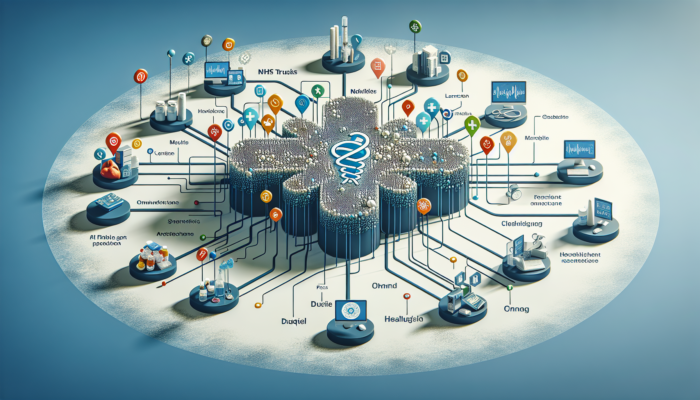
Infographic showing NHS structure with Trusts, CCGs, PCNs, and tech solutions for patient care and efficiency.

The NHS functions as a publicly funded entity responsible for delivering healthcare services to the UK population. Its organisational structure is comprised of various components, including NHS Trusts, Clinical Commissioning Groups (CCGs), and Primary Care Networks (PCNs), each serving a unique role within the healthcare system. For entrepreneurs aiming to expand a healthcare technology business, it is essential to recognise and comprehend these layers. Each NHS Trust encounters distinct operational challenges and requirements, creating bespoke opportunities for innovative technology solutions addressing specific needs in patient care and service delivery efficiency.

There are numerous pathways to enhance patient management systems, improve telehealth services, and develop applications designed to increase patient engagement and education. The NHS’s proactive approach to embracing technology—especially in response to the challenges presented by the COVID-19 pandemic—creates a favourable environment for newcomers in the marketplace. Additionally, the NHS Long Term Plan explicitly highlights a commitment to digital transformation, encouraging companies to align their technological offerings with the strategic objectives outlined by the NHS.

A crucial strategy for thriving in this ecosystem involves identifying particular NHS Trusts that are ready to adopt innovation. By concentrating on areas like remote patient monitoring and integrated care systems, technology firms can establish themselves as essential partners in the NHS’s quest to enhance patient outcomes and operational efficiencies. Partnering with NHS entities can provide invaluable insights into the diverse needs of various patient populations, guiding the development of targeted and effective solutions that address real-world healthcare challenges.

Comprehending the Regulatory Landscape Affecting Healthcare Technology

The UK healthcare sector is governed by strict regulations aimed at protecting patient safety, safeguarding data, and ensuring high-quality services. Companies operating in this domain must effectively navigate the frameworks established by the Care Quality Commission (CQC) and the Medicines and Healthcare products Regulatory Agency (MHRA), as compliance with these standards is essential for those seeking to expand a healthcare technology business.

A comprehensive understanding of the General Data Protection Regulation (GDPR) is particularly crucial, as it outlines the protocols for managing personal data within technology solutions. Familiarity with these regulations not only reduces legal risks but also fosters trust among healthcare providers and patients alike. Organisations that prioritise effective data protection practices are more likely to gain traction and establish credibility in an increasingly competitive marketplace.

To thrive in this regulatory environment, businesses should implement robust compliance strategies from the outset, integrating legal advisors and compliance officers into the product development process. Regular audits, employee training, and collaboration with regulatory authorities can ensure a proactive approach to compliance. This strategy not only secures operational legitimacy but also enhances the attractiveness of technology offerings to potential partners, both within the NHS and the private healthcare sector.

Conducting Thorough Market Analysis to Reveal Opportunities

Conducting a detailed market analysis is vital for any technology company aspiring to thrive in the UK healthcare sector. Gaining insights into current needs and gaps within the healthcare system enables innovators to tailor their solutions to address specific challenges faced by both providers and patients. Recent studies indicate a rising demand for mental health services, remote monitoring capabilities, and personalised medicine, highlighting areas that are ready for innovative interventions.

Employing research methodologies such as surveys, focus groups, and industry reports can yield critical insights into the needs of patients and healthcare providers. Direct engagement with healthcare professionals encourages an understanding of the operational challenges they face, guiding product development. For instance, if research uncovers inefficiencies in patient data management across NHS Trusts, technology companies can create solutions that enhance interoperability and streamline workflows, ultimately improving overall efficiency in care delivery.

Additionally, conducting a competitive analysis is essential. Companies must evaluate existing solutions available in the market, assessing their strengths and weaknesses while determining how to differentiate their own offerings. By clearly articulating unique value propositions and demonstrating how these solutions tackle specific problems, technology firms can effectively position themselves within the market.

Investing the necessary time and resources into comprehensive market research will not only inform product development but also shape effective marketing strategies. A deep understanding of the demographics that comprise the UK healthcare landscape will enable businesses to tailor their messaging and outreach efforts, ensuring they resonate with the appropriate audiences and stakeholders.

Creating Strategic Partnerships to Accelerate Growth in Healthcare Technology

Executives shaking hands with representatives from academia, NHS, and private healthcare, symbolising strategic growth in healthcare technology.

Strategic partnerships are essential for companies aiming to expand a healthcare technology business. By fostering relationships with academic institutions, engaging with NHS Trusts, and collaborating with private healthcare providers, technology firms can substantially enhance their reach, credibility, and product development capabilities.

Leveraging Collaborations with UK Universities to Drive Innovation

UK universities are frontrunners in healthcare innovation, creating a vibrant ecosystem that supports the growth of tech companies. Collaborating with academic institutions allows firms to access cutting-edge research, tap into a skilled talent pool, and benefit from the latest advancements in medical technology. Many universities host incubators and accelerators specifically designed to support health tech startups, offering invaluable resources and mentorship.

By forming research partnerships, technology companies can leverage the academic expertise of faculty members to develop evidence-based solutions that resonate with healthcare professionals. These collaborations not only enhance product credibility but can also lead to impactful clinical trials that demonstrate efficacy and safety—key factors in earning trust from the healthcare community.

Moreover, universities often maintain established connections with NHS Trusts, facilitating introductions that could lead to pilot programmes or the early adoption of new technologies. This pathway to collaboration with NHS entities can significantly expedite the scaling process, providing real-world testing environments and essential feedback for refining products.

Investing in partnerships with universities also opens doors for talent acquisition. Graduates and postgraduates from healthcare-focused programmes can offer fresh perspectives and innovative ideas, enriching the organisational culture and driving continuous improvement in product offerings.

Engaging Effectively with NHS Trusts for Collaborative Innovation

Building strong relationships with NHS Trusts is a crucial strategy for technology companies wishing to expand a healthcare technology business in the UK. These trusts are responsible for delivering healthcare services and are often keen to explore innovative solutions that can enhance service delivery and patient care. Establishing connections with decision-makers within these trusts can lead to collaborations on pilot projects, providing tech companies with the opportunity to showcase their capabilities in a real-world setting.

To engage effectively with NHS Trusts, it is vital to understand the specific challenges they face. Hosting workshops, attending health tech conferences, and networking at industry events can help establish credibility and build rapport with key stakeholders. Presenting compelling case studies or evidence of successful implementations in similar contexts can further strengthen your pitch and foster trust.

Additionally, proactively addressing the sustainability objectives outlined in the NHS Long Term Plan can resonate well with NHS Trusts. Customising solutions that contribute to operational efficiencies, cost savings, or improved patient outcomes will not only align with NHS priorities but also position your company as an invaluable partner in advancing the healthcare agenda.

Through consistent engagement and a demonstrated commitment to addressing the unique challenges faced by NHS Trusts, technology companies can forge enduring partnerships that facilitate scaling efforts and significantly broaden their market impact.

Collaborating with Private Healthcare Providers for Market Diversification

Executives shaking hands with healthcare providers, showcasing market diversification and innovative medical tech against UK landmarks.

The private healthcare sector in the UK presents a significant opportunity for tech companies seeking to broaden their influence. Collaborating with private healthcare providers allows organisations to diversify their customer base and tap into markets that may be more receptive to innovative solutions. Unlike the NHS, where procurement processes can be lengthy and complex, private providers typically possess greater flexibility in adopting new technologies.

Identifying suitable private healthcare partners involves researching their specific needs and pain points. Engaging in discussions about operational inefficiencies, patient engagement challenges, or data management issues they face can provide valuable insights. By offering tailored solutions that directly address these needs, technology companies can position themselves as indispensable partners in enhancing care delivery.

Moreover, private healthcare providers are generally more open to pilot programmes and collaborative ventures. This flexibility allows tech companies to refine their offerings while gathering crucial feedback used to improve products before scaling further. Successful collaborations can also yield testimonials and case studies that bolster the company’s reputation within the broader healthcare landscape.

Networking within private healthcare circles, attending relevant events, and demonstrating a clear understanding of the unique market dynamics of the private sector will significantly enhance your chances of building fruitful partnerships.

Discovering Funding and Investment Opportunities for Business Growth

Securing funding is critical for any startup, and when it comes to expanding a healthcare technology business, understanding the investment landscape in the UK is crucial. From government grants to venture capital and crowdfunding options, a variety of avenues exist for securing the financial support necessary for growth.

Identifying and Securing Government Grants for Healthcare Innovation in the UK

The UK government is dedicated to promoting innovation in healthcare technology, offering various grants and funding initiatives specifically aimed at tech companies. Understanding this funding landscape can provide a competitive edge when seeking resources to scale operations. Programmes such as the Small Business Research Initiative (SBRI) and Innovate UK’s funding competitions frequently focus on healthcare innovations that can demonstrate potential benefits to the NHS and public health.

Applying for these grants typically requires a well-structured proposal that clearly outlines the project’s objectives, potential impact, and alignment with government priorities in health technology. It is essential to demonstrate feasibility and sustainability while detailing expected outcomes. Success in securing government funding not only provides financial support but also enhances the credibility of your project, making it more appealing to further investment opportunities.

Additionally, engaging with local Enterprise Zones or Business Growth Hubs can uncover additional support networks and funding opportunities. These organisations are well-versed in the complexities of the funding landscape and can assist in connecting companies with relevant resources.

Adopting a strategic approach to grant applications—understanding specific requirements and tailoring submissions accordingly—will significantly improve the chances of success, providing essential capital to scale effectively.

Attracting Venture Capital for Rapid Growth in Healthcare Technology

Venture capital (VC) serves as a vital funding avenue for tech companies aiming for swift growth. The UK boasts a vibrant venture capital ecosystem, with numerous firms actively seeking investment opportunities in healthcare technology. Crafting a compelling pitch that resonates with potential investors is crucial when attempting to secure funding.

Investors are particularly interested in the scalability of your solution and its potential for market disruption. Clearly articulating a strong value proposition, supported by comprehensive market research and evidence of demand, will be essential in convincing investors of your business’s viability. Highlighting previous successes, partnerships, or pilot projects can further bolster your case and enhance credibility.

Networking within the VC community, attending pitch events, and leveraging platforms like Seedrs or Crowdcube can significantly increase visibility to the right investors. Additionally, showcasing a robust management team and demonstrating a well-structured business model will be critical factors in attracting venture capital.

Building relationships with investors can also provide ongoing support and mentorship, extending beyond just financial backing. Their expertise and insights can help navigate challenges and identify growth opportunities as you scale your healthcare technology business.

Utilising Crowdfunding Campaigns for Effective Capital Generation

Crowdfunding has emerged as a popular and effective means of raising capital for startups, particularly in the healthcare technology sector. Platforms such as Crowdcube and Seedrs enable companies to present their ideas to potential investors and secure funding from a diverse audience. This approach not only provides financial support but also helps validate the product concept by generating interest from the public.

Creating a compelling campaign necessitates a strong narrative about your product and its impact on the healthcare sector. Clearly communicating the problem being addressed and the unique features of your technology will attract potential backers. Engaging visuals, videos, and testimonials can further enhance the appeal of your campaign, increasing the likelihood of resonating with potential investors.

Moreover, successful crowdfunding campaigns can lead to significant publicity, generating buzz around your company that may attract the attention of venture capitalists and other funding sources. The community aspect of crowdfunding also creates a dedicated group of early adopters who can provide invaluable feedback, helping to refine the product before its broader market release.

Engaging with your backers post-campaign can foster loyalty and support, paving the way for future funding rounds as you continue to expand your healthcare technology solutions.

Accelerating Technology Development and Fostering Innovation

Emphasising technology development and innovation is essential for those seeking to expand a healthcare technology business. By utilising local tech hubs, adhering to data protection standards, and incorporating cutting-edge technologies, companies can accelerate growth while enhancing their product offerings.

Capitalising on UK Tech Hubs for Healthcare Innovation

The UK is home to a variety of technology hubs and incubators that serve as vibrant ecosystems for health tech innovation. Cities such as London, Cambridge, and Manchester host numerous initiatives designed to support startups through mentorship, funding, and networking opportunities. By embedding themselves within these ecosystems, tech companies can access vital resources that expedite their growth.

Collaboration with other startups, industry experts, and academics within these hubs fosters a culture of innovation. Regular networking events, workshops, and seminars create an environment conducive to sharing ideas and best practices. Furthermore, proximity to potential investors and partners increases the likelihood of forging beneficial relationships that can enhance the scalability of technology solutions.

Many tech hubs also offer tailored support specifically for healthcare technology initiatives, ranging from regulatory guidance to access to clinical trial facilities. Engaging with these resources ensures that tech companies remain at the forefront of industry advancements and best practices, significantly enhancing their ability to scale effectively.

Participating in accelerator programmes can also provide structured pathways to market, helping startups refine their business models and product offerings in alignment with market demands and opportunities.

Ensuring Compliance with UK Data Protection Standards in Healthcare

Adhering to UK data protection standards, particularly GDPR, is non-negotiable for any healthcare technology company. Given that solutions frequently involve handling sensitive patient information, it is crucial for companies to establish robust data protection frameworks. This commitment not only safeguards patient privacy but also fosters trust with healthcare providers and patients alike.

Implementing comprehensive data management protocols that include encryption, access controls, and clear data usage policies is essential. Training employees on GDPR compliance and data security best practices will further ensure a culture prioritising data protection within the organisation.

Additionally, transparency in data handling practices can significantly enhance your tech company’s reputation within the healthcare sector. Clearly communicating how data is collected, stored, and utilised in your solutions can alleviate potential concerns from healthcare professionals and patients regarding privacy and security.

As more healthcare providers seek to adopt digital solutions, demonstrating a strong commitment to data protection can set your company apart from competitors and establish a solid foundation for sustainable scaling operations.

Incorporating AI and Machine Learning for Enhanced Healthcare Solutions

Integrating artificial intelligence (AI) and machine learning (ML) into healthcare solutions can dramatically elevate their efficacy and appeal. These technologies have the potential to drive improved patient outcomes through predictive analytics, personalised treatment plans, and heightened operational efficiencies.

For instance, AI can be utilised to analyse extensive datasets, identifying trends and patterns that human analysts may overlook. This capability can lead to earlier diagnoses and improved treatment pathways, making your technology invaluable to healthcare providers. Furthermore, ML algorithms can continuously learn from new data, ensuring that solutions remain relevant and effective as healthcare practices evolve.

Investing in AI and ML capabilities necessitates collaboration with experts in the field. Engaging with data scientists and healthcare professionals ensures that the technology developed is both innovative and clinically relevant. Establishing partnerships with research institutions or data analytics firms can provide access to the expertise required for successful implementation.

Moreover, showcasing the capabilities of AI and ML within your product can attract interest from investors and healthcare organisations, particularly those focused on enhancing patient care and operational efficiency. As the demand for intelligent healthcare solutions continues to grow, companies that effectively leverage these technologies will be well-positioned for success.

Collaborating with UK Universities for Technology Development

Forming partnerships with UK universities in technology development is a strategic approach for healthcare tech companies. Academic institutions are increasingly directing their research efforts towards healthcare innovation, and collaborating with them can yield access to cutting-edge research and talent. Universities often have competitive research grants and resources that can support the development of healthcare technologies.

By engaging in joint research projects, tech companies can benefit from the academic expertise of faculty members and gain access to state-of-the-art facilities. Universities also possess networks of healthcare professionals who can provide valuable insights into current healthcare challenges and needs. These collaborations frequently result in innovative solutions that address the real-world problems faced by the healthcare sector.

Furthermore, these partnerships can facilitate clinical trials and pilot studies, providing crucial data on product efficacy and user experience. Demonstrating the impact of your technology through rigorous academic research enhances credibility and can attract interest from potential investors and partners.

Additionally, establishing relationships with universities can lead to future talent acquisition, enabling companies to recruit graduates who are well-versed in the latest healthcare technologies and research methodologies. This infusion of fresh ideas can drive continuous innovation within your company, essential for successfully scaling in a competitive landscape.

Implementing Effective Marketing and Branding Strategies for UK Healthcare Tech Companies

Implementing effective marketing and branding strategies is a critical component of expanding a healthcare technology business. Tailoring approaches to resonate with UK audiences, developing a strong brand identity, and engaging in relevant events and digital platforms can significantly enhance visibility and credibility within the market.

Customising Marketing Strategies to Align with UK Audiences

To successfully market healthcare technology solutions in the UK, it is essential to adjust strategies to resonate with both healthcare professionals and patients. Understanding the unique characteristics and preferences of the UK market enables companies to craft messages that effectively address their audience’s needs and values.

Utilising case studies, testimonials, and success stories from within the NHS or private healthcare settings can improve credibility and foster trust among potential clients. Demonstrating how your technology effectively addresses specific challenges faced by healthcare providers or enhances patient outcomes will resonate well with your target audience.

Moreover, digital marketing strategies should be tailored to effectively reach specific demographics. Engaging in content marketing that educates healthcare professionals about industry trends and innovations positions your company as a thought leader in the healthcare space.

Furthermore, leveraging social media platforms to share valuable insights, customer experiences, and updates can increase engagement and visibility. Collaborating with influencers in the healthcare sector can amplify marketing efforts, driving awareness and interest in your technology solutions.

Establishing a Strong Brand Identity within the UK Healthcare Sector

Creating a robust brand identity within the UK healthcare landscape is vital for long-term success. A well-defined brand that resonates with both healthcare professionals and patients can differentiate your company from competitors and foster loyalty.

This process begins with developing a compelling brand story that conveys your mission, values, and the unique benefits of your technology solutions. Consistency in messaging across all channels—such as your website, social media, and marketing materials—reinforces brand recognition and builds credibility.

Utilising visual branding elements like logos, colour schemes, and marketing collateral that align with the healthcare industry further enhances brand identity. Engaging design professionals to create polished and appealing materials will resonate well with healthcare audiences.

Incorporating patient and provider testimonials into your marketing strategies can add authenticity to your brand narrative. This social proof not only enhances trust but also encourages word-of-mouth referrals—an invaluable asset in the healthcare sector.

Maximising Opportunities at UK Healthcare Events

Participating in UK healthcare conferences and expos provides an excellent opportunity to increase visibility and engage with potential partners and customers. These events serve as platforms for networking, showcasing innovations, and gaining insights into industry trends.

Preparing for these events requires strategic planning. Developing an engaging booth that highlights your technology solutions and offers interactive demonstrations can attract attendees’ attention. Collecting contact information through lead generation strategies will help build a database of potential clients and collaborators.

Additionally, securing speaking opportunities at conferences allows tech companies to present their solutions and showcase thought leadership to a captive audience. Sharing insights, case studies, and the benefits of your technology can significantly elevate your company’s profile within the healthcare community.

Post-event follow-up is crucial for converting leads into partnerships or customers. Sending personalised messages, sharing additional resources, or offering exclusive content can keep your company at the forefront of potential clients’ minds, enhancing engagement and fostering relationships.

Utilising Digital Marketing Channels Specific to the UK Healthcare Sector

Leveraging UK-specific digital marketing channels is essential for effectively reaching healthcare audiences. Platforms such as NHS websites, local social media groups, and healthcare forums can facilitate engagement with target demographics.

Creating informative content that addresses common pain points or questions within the healthcare community can significantly improve visibility in search engine results. Employing SEO strategies tailored to the healthcare sector will ensure that your company appears prominently when potential customers seek solutions.

Additionally, participating in online discussions within healthcare forums or groups can establish your company as a thought leader, enhancing credibility and fostering community trust. Regularly sharing valuable insights and updates on these platforms will further bolster your visibility within the sector.

Email marketing campaigns targeting healthcare professionals can also yield high engagement rates. Providing valuable content, insights, or exclusive offers tailored to their needs will help build relationships and drive conversions.

Engaging with UK Healthcare Regulatory Bodies for Compliance and Credibility

Collaborating with UK regulatory bodies is critical for establishing credibility and ensuring compliance within the healthcare sector. Engaging with organisations such as the Care Quality Commission (CQC) and the Medicines and Healthcare products Regulatory Agency (MHRA) can offer valuable insights into regulatory requirements and best practices.

Establishing open lines of communication with these regulatory bodies ensures that companies remain informed about changes in regulations that may affect their technology solutions. Regularly attending regulatory workshops or consultations will help ensure that your team is well-versed in compliance standards.

Moreover, demonstrating a commitment to regulatory compliance in your marketing materials can enhance your company’s reputation within the healthcare sector. Highlighting adherence to guidelines and standards reassures potential partners and customers of your dedication to quality and safety in healthcare technology.

Incorporating feedback from regulatory bodies into product development can lead to improvements that align with industry standards. This proactive approach enhances your company’s credibility and supports scaling efforts as you establish a strong presence in the UK healthcare market.

Strategic Approaches for Scaling Operations and Expanding Market Reach

Successfully scaling a healthcare technology business involves strategic planning around operations and growth. By focusing on talent acquisition, establishing a presence in the UK, and diversifying service offerings, companies can effectively navigate the complexities inherent in scaling within the healthcare sector.

Attracting Top Talent to Support Growth in Healthcare Technology

Attracting skilled professionals in the UK healthcare technology sector is vital for supporting growth and innovation. The demand for talent in this field is high, and having a skilled workforce can significantly enhance your company’s ability to innovate and scale effectively.

Developing a clear hiring strategy that identifies the skills and qualifications necessary for your team will streamline the recruitment process. Engaging with recruitment agencies that specialise in healthcare technology can facilitate finding suitable candidates who align with your company’s vision.

Moreover, fostering a positive company culture that promotes innovation, collaboration, and continuous learning will attract top talent. Offering training and development opportunities not only enhances employee satisfaction but also contributes to the overall skill set of your workforce, driving continuous improvement.

Networking at industry events, job fairs, and university career days can also yield potential candidates. Establishing relationships with academic institutions can create a pipeline of talent eager to enter the healthcare technology sector, providing a steady flow of new ideas and perspectives.

Establishing UK-Based Offices for Enhanced Operations

Setting up operational bases in strategic locations throughout the UK can significantly enhance service delivery and strengthen relationships with partners. Proximity to key stakeholders, such as NHS Trusts and healthcare providers, facilitates collaboration and improves response times to client needs.

When determining the ideal locations for offices, factors such as access to transport links, availability of skilled talent, and proximity to healthcare institutions should be carefully evaluated. Cities like London, Manchester, and Cambridge are renowned for their robust healthcare ecosystems and can provide valuable networking opportunities that can benefit growth.

Establishing a physical presence also fosters a sense of legitimacy and commitment to the UK market. It signals to potential partners and clients that your company is dedicated to meeting their needs and contributing to the advancement of the healthcare sector.

Additionally, local offices can serve as innovation hubs, providing collaborative spaces for teams to develop new solutions tailored specifically to the UK healthcare market.

Diversifying Service Offerings to Meet Evolving Healthcare Demands

Expanding service offerings is essential for addressing the diverse needs of the UK healthcare market. As the landscape continues to evolve, technology companies must remain agile, adapting their offerings to tackle emerging challenges and opportunities.

Conducting regular market assessments will help identify gaps or new trends within the healthcare sector. For instance, as telehealth gains traction, companies may consider expanding their offerings to include remote monitoring solutions, mobile health applications, or virtual consultation platforms.

Moreover, fostering strong relationships with existing clients can provide insights into their evolving needs, guiding the development of new services that enhance patient care and operational efficiency. Customised solutions catering to specific healthcare settings or patient populations can create significant differentiation in a competitive market.

Investing in research and development will also enable companies to stay ahead of the curve, ensuring that their offerings remain relevant and effective. As the healthcare landscape continues to shift, being responsive to industry demands positions tech companies for long-term success.

Common Questions Regarding Scaling in the UK Healthcare Sector

What are the primary challenges in expanding a healthcare technology business in the UK?

Key challenges include navigating the regulatory landscape, securing funding, and establishing partnerships with NHS Trusts and private healthcare providers.

How crucial is compliance with UK healthcare regulations for businesses?

Compliance is vital as it ensures patient safety and builds trust with healthcare providers and patients, ultimately facilitating successful scaling efforts.

What funding avenues are available for healthcare technology startups in the UK?

Healthcare technology startups can access government grants, venture capital, and crowdfunding platforms to secure the necessary funding for growth initiatives.

How does collaboration with UK universities benefit healthcare technology companies?

Collaboration provides access to cutting-edge research, skilled talent, and potential partnerships with NHS Trusts, enhancing innovation and product development.

What role does market analysis play in scaling a healthcare technology business?

Market analysis identifies needs, gaps, and opportunities within the healthcare sector, effectively guiding product development and marketing strategies.

Why is establishing strategic partnerships essential for scaling operations?

Strategic partnerships enhance credibility, provide access to new markets, and facilitate collaboration with key stakeholders in the healthcare sector.

How can companies ensure data protection in healthcare technology?

Implementing robust data management protocols and adhering to GDPR regulations is essential for safeguarding patient information while ensuring compliance.

What marketing strategies are most effective for healthcare technology companies in the UK?

Tailored marketing strategies that resonate with healthcare professionals and patients, including case studies and digital engagement efforts, can significantly enhance visibility.

What advantages are there in participating in UK healthcare events?

Participation increases visibility, provides networking opportunities, and facilitates showcasing innovations to potential partners and customers in the healthcare space.

How can startups attract venture capital for healthcare technology investments?

Creating a compelling pitch that highlights scalability, market disruption potential, and previous successes is critical to attracting venture capital interest.

Originally posted 2025-04-21 20:47:15.

The post Scaling a Healthcare Tech Company in the UK: Your Essential Guide appeared first on Healthcare Marketing Service.

Categories
Health & Wellness Healthcare Technology

EHR’s Role in Shaping Future Healthcare Data Management

In the ever-evolving landscape of healthcare, the adoption of electronic health records (EHRs) has emerged as a pivotal tool for the efficient management of patient information. As technology progresses, EHRs play a critical role in shaping the future of healthcare by revolutionising data management. This article delves into the importance of EHRs and their significant impact on the handling of healthcare data.

Unlocking the Potential of Electronic Health Records (EHRs) to Enhance Patient Care

Electronic Health Records, commonly known as EHRs, are comprehensive digital records that encapsulate a patient’s complete health information. These records include a diverse array of data such as medical history, medications, allergies, test results, and much more. EHRs provide a holistic view of a patient’s health status, empowering healthcare professionals to make informed decisions and deliver timely, personalised care that aligns with the specific needs of each patient.

The shift from traditional paper-based records to digital EHRs has fundamentally transformed how healthcare providers manage patient information. With immediate access to patient data, healthcare professionals can quickly retrieve essential information, thus improving their operational efficiency. This transition eliminates the cumbersome nature of physical records, allowing providers to focus more on delivering quality patient care and enhancing overall patient outcomes.

Moreover, EHRs enable seamless integration and sharing of patient data across various healthcare settings, thereby promoting data interoperability. This interoperability enhances communication among healthcare professionals and facilitates coordinated care, significantly reducing the risk of medical errors due to incomplete or inaccurate information.

Discovering the Multifaceted Benefits of EHRs in Healthcare Data Management

Doctors using advanced EHR systems on glowing interfaces to manage patient data in a futuristic healthcare setting.
  1. Streamlined Accessibility and Enhanced Efficiency for Healthcare Providers: EHRs grant immediate access to patient data, effectively removing the dependency on physical paper records. This newfound accessibility dramatically boosts the efficiency of healthcare providers, allowing them to swiftly retrieve important information, which ultimately leads to improved patient outcomes.

    - Healthcare providers can access patient records remotely, enabling quick decision-making and timely interventions.
    
    • EHRs significantly reduce the time spent searching for information, allowing healthcare professionals to devote more time to direct patient care.
  2. Facilitating Seamless Data Integration and Promoting Interoperability: EHRs foster the effortless integration and sharing of patient data across multiple healthcare settings. This interoperability enhances communication among healthcare professionals, allowing for coordinated and comprehensive care. Additionally, it minimises the risk of medical errors that can arise from incomplete or inaccurate information.

    - EHRs promote collaboration among healthcare providers by serving as a central repository for patient data, ensuring that all parties have access to the same accurate information.
    
    • Interoperability between EHR systems guarantees efficient data transfer, reducing unnecessary duplication of tests and procedures.
  3. Enhancing Patient Safety Through Advanced Features: EHRs play a crucial role in promoting patient safety by significantly reducing medication errors and adverse events. Through features such as drug interaction alerts, allergy notifications, and dosage recommendations, EHRs empower healthcare providers to make safer and more informed decisions.

    - EHRs offer real-time alerts and reminders, aiding healthcare professionals in avoiding potential medication errors and adverse events.
    
    • The integration of decision support tools within EHRs facilitates accurate medication prescribing, effectively minimising the risk of adverse drug events.
  4. Facilitating Enhanced Decision-Making with Comprehensive Patient Data: EHRs provide real-time access to a patient’s extensive medical history, test results, and treatment plans. This wealth of information equips healthcare professionals with a thorough understanding of the patient’s health status, assisting in accurate diagnosis and the development of effective treatment strategies.

    - EHRs allow healthcare professionals to review a patient's entire medical history, empowering them to make informed decisions based on complete and accurate data.
    
    • Access to real-time data enables timely interventions, preventing delays in diagnosis and treatment.
  5. Streamlined Clinical Documentation for Improved Workflow: EHRs simplify the documentation process by automating tasks such as capturing patient vitals, generating progress notes, and documenting procedures. This automation not only saves valuable time for healthcare professionals but also ensures that patient records remain accurate and comprehensive.

    - Automated documentation diminishes the risk of errors and omissions in patient records, ensuring accurate and up-to-date information is consistently available.
    
    • Standardised templates and forms within EHRs enhance the consistency and completeness of clinical documentation practices.

Examining the Transformative Impact of EHRs on Healthcare Data Management

  1. Efficient Data Storage and Organisation for Healthcare Providers: EHRs serve as a centralised repository for patient data, effectively replacing traditional paper-based records. These digital records facilitate the efficient storage, organisation, and retrieval of vast amounts of healthcare data. Healthcare providers can easily search for specific information, monitor changes over time, and analyse data trends to tailor patient care effectively.

    - EHRs empower healthcare providers to securely store extensive patient data, reducing the necessity for physical storage and minimising the risk of data loss.
    
    • Search functionalities within EHRs enable rapid retrieval of specific information, significantly enhancing data management efficiency.
  2. Strengthening Data Security and Privacy Protections for Patient Information: EHRs incorporate stringent security measures to protect patient data from unauthorised access or breaches. Advanced encryption protocols, user authentication processes, and detailed audit trails ensure the confidentiality and integrity of patient information. Compliance with data protection regulations, such as the Health Insurance Portability and Accountability Act (HIPAA), further reinforces patient privacy.

    - EHRs employ encryption techniques to safeguard patient data from unauthorised access, ensuring the confidentiality of sensitive information.
    
    • User authentication protocols guarantee that only authorised individuals can access patient records, significantly reducing the risk of data breaches.
  3. Advancing Data Analytics and Research Capabilities Through EHRs: EHRs significantly contribute to healthcare advancements through data analytics and research initiatives. Aggregated and de-identified patient data stored within EHR systems can be analysed to identify patterns, trends, and outcomes. This invaluable information supports clinical research, population health management, and the development of evidence-based practices to enhance care delivery.

    - EHRs provide a rich source of data that can be analysed to uncover population health trends and formulate targeted interventions.
    
    • Researchers can leverage EHR data to conduct extensive studies and generate evidence to inform clinical practices.
  4. Facilitating Telehealth Services and Remote Patient Monitoring: EHRs are instrumental in enabling telehealth services and remote patient monitoring capabilities. With EHR integration, healthcare professionals can access patient data remotely, conduct virtual consultations, and monitor vital signs effectively. This functionality broadens access to healthcare, particularly for individuals residing in remote areas or those with limited mobility.

    - EHRs allow healthcare providers to remotely monitor patients' health conditions, enabling early detection of abnormalities and timely interventions.
    
    • Telehealth services integrated with EHRs improve healthcare access for patients facing barriers to in-person visits, such as those living in rural regions.
  5. Empowering Patients Through Active Engagement in Their Healthcare: EHRs enable patients to take an active role in their healthcare journey. Through patient portals, individuals can access their health records, review test results, schedule appointments, and communicate directly with their healthcare providers. This increased engagement fosters a collaborative approach to healthcare, ultimately leading to enhanced patient satisfaction and improved health outcomes.

    - Patient portals integrated within EHRs allow patients to access their health information, empowering them to take ownership of their health and make informed decisions.
    
    • Communication features within EHRs facilitate secure messaging between patients and healthcare providers, thereby strengthening the patient-provider relationship.

Envisioning the Future of Healthcare Powered by EHRs

The future of healthcare is being profoundly shaped by the integration and effective utilisation of electronic health records (EHRs) in managing healthcare data. EHRs offer a plethora of advantages in terms of accessibility, efficiency, patient safety, and decision-making capabilities. They function as a central repository for patient information, ensuring secure storage, organisation, and retrieval of health data. With the potential to enhance data analytics, support telehealth services, and promote patient engagement, EHRs are fundamentally transforming healthcare delivery and improving patient outcomes. Embracing this innovative technology and utilising it effectively will be essential for healthcare providers as they strive to create a more efficient and patient-focused future.

Addressing Common Questions Regarding EHRs

A digital interface showing an electronic health record with graphs and data, accessed by healthcare professionals.
  1. What are Electronic Health Records (EHRs)?
  • Electronic Health Records, commonly referred to as EHRs, are comprehensive digital records of patients’ health information. They encompass a wide array of data, including medical history, medications, allergies, test results, and more.
  1. How do EHRs improve healthcare data management?
  • EHRs enhance healthcare data management by providing instant access to patient data, thereby eliminating the reliance on physical paper records. They also facilitate seamless integration and sharing of patient data across various healthcare settings, promoting data interoperability.
  1. How do EHRs enhance patient safety?
  • EHRs enhance patient safety by reducing medication errors and adverse events. They provide real-time alerts and reminders that assist healthcare professionals in avoiding potential medication errors and adverse situations. The integration of decision support tools within EHRs aids in accurate medication prescribing, effectively reducing the risk of adverse drug events.
  1. How do EHRs contribute to efficient clinical documentation?
  • EHRs streamline the documentation process by automating tasks such as capturing patient vitals, generating progress notes, and documenting procedures. This automation saves time for healthcare professionals while ensuring the accuracy and completeness of patient records.

Originally posted 2024-04-12 12:13:36.

The post EHR’s Impact on Healthcare Data Management for the Future appeared first on Healthcare Marketing Service.

Categories
Health & Wellness Healthcare Technology

Innovate with Healthcare Portals: Your Essential Guide

Exploring the Complexities of the UK Healthcare System

The UK healthcare system is an intricate framework that encompasses the publicly funded National Health Service (NHS) alongside various private healthcare providers. A thorough understanding of this multifaceted system is imperative for anyone interested in innovating healthcare portals. By grasping the dynamics at play, stakeholders can better navigate the complexities and opportunities that arise within the landscape of healthcare delivery in the UK.

Comprehensive Overview of NHS Structure

Diagram of NHS structure with regional divisions and service flow, UK flag background.

The National Health Service (NHS) serves as the bedrock of healthcare in the UK, delivering services that are primarily free at the point of use. Established in 1948, the NHS is founded on the principle of universal healthcare coverage, which ensures that every resident has access to essential medical services without incurring direct costs. The organisation operates through various regional divisions, each governed by its own local health authority, managing a spectrum of services from primary care to hospital care. This decentralised framework is designed to tailor healthcare responses to the specific needs of local populations. However, it also presents challenges in terms of achieving uniformity and efficiency across the entire system.

For those aiming to leverage healthcare portals, understanding the operational intricacies of the NHS is crucial. Digital platforms must seamlessly align with existing NHS frameworks, ensuring they foster smooth interactions between patients and healthcare providers. For example, these portals can significantly streamline processes such as online appointment bookings, accessing medical records, and facilitating communication with healthcare professionals. This integration enhances the patient experience while navigating the complexities of NHS funding and prioritisation, which can differ markedly by region.

The NHS is in a constant state of evolution, propelled by technological advancements and shifting patient expectations. As the public increasingly embraces digital solutions, healthcare portals can play a pivotal role in transforming service delivery. Innovations like online consultations and digital health records are becoming standard practice, underscoring the potential for technology to enrich patient care. To fully capitalise on these opportunities, developers of healthcare portals must possess a deep understanding of the NHS’s structure and its strategic objectives.

Enhancing Healthcare through Private Provider Integration

The integration of private healthcare with the NHS offers a unique opportunity to elevate the overall healthcare ecosystem in the UK. Private healthcare providers frequently complement NHS services by providing shorter wait times and specialised treatments that may not be readily available within the public system. This integration is vital for how to innovate with healthcare portals, as it promotes a holistic approach to patient care.

Many patients in the UK navigate both NHS and private healthcare services at various stages of their treatment journey. For instance, a patient may receive an initial diagnosis through the NHS but choose a private provider for specific treatments or surgeries. Therefore, healthcare portals must be designed to accommodate this fluidity, allowing users access to a comprehensive range of services, regardless of whether they are NHS or privately funded. Effectively integrating these services fosters a complete view of a patient’s health, enabling healthcare providers to make informed decisions.

The sharing of data and achieving interoperability between NHS systems and private healthcare portals is crucial for attaining this objective. Digital solutions that facilitate seamless information exchange can significantly improve continuity of care, ultimately leading to enhanced health outcomes. For instance, a healthcare portal that grants private providers access to a patient’s NHS health records ensures that all parties work with the most current information, minimising the risk of errors and bolstering patient safety.

Additionally, as the private sector continues to innovate, healthcare portals can harness these advancements to elevate user experiences. Private providers may offer customised telehealth solutions or specialised treatment plans that can be easily integrated into a healthcare portal, thereby providing users with a comprehensive suite of services tailored to their diverse needs.

Navigating the Regulatory Landscape

The regulatory framework governing healthcare portals in the UK is critical for ensuring safe and effective service delivery. With a strong focus on patient safety and data protection, understanding the regulatory landscape is integral for how to innovate with healthcare portals. The UK operates under stringent regulations enforced by the General Data Protection Regulation (GDPR), which safeguards personal data and guarantees that patients’ privacy is maintained.

In order to gain the trust of users, healthcare portals must adhere to these regulations. This includes implementing robust data protection measures and ensuring that users are informed about their rights regarding personal health information. Transparency in the collection, storage, and usage of data is vital, particularly as patients become increasingly concerned about privacy in this digital era.

Moreover, the Care Quality Commission (CQC) oversees health and social care providers in England, ensuring that they meet essential quality and safety standards. Healthcare portals must align their services with CQC regulations to ensure compliance and uphold high care levels. This entails conducting regular audits and assessments to pinpoint areas for improvement and ensure that the portal remains compliant with regulatory requirements.

As the UK healthcare landscape continues to evolve, regulatory frameworks will adapt to emerging technologies and innovations. Healthcare portals must remain agile, ready to respond to changes in legislation and best practices. By prioritising regulatory compliance from the outset, developers can establish trust with users and encourage widespread adoption of healthcare portals.

Understanding User Needs within the UK Healthcare System

A diverse group of UK patients and healthcare providers discussing a modern healthcare portal in a supportive environment.

To effectively innovate with healthcare portals, grasping user needs is essential. This involves exploring the expectations of patients, gaining insights from healthcare providers, and recognising the importance of accessibility and compliance within the UK context.

Meeting Patient Expectations in Modern Healthcare

Patients in the UK today possess elevated expectations regarding their healthcare experiences, largely driven by technological advancements and the proliferation of digital health solutions. Many expect healthcare portals to offer a streamlined, user-friendly interface that simplifies access to medical information and services. This encompasses features such as online appointment booking, viewing test results, and direct communication with healthcare providers—all within a secure digital environment.

Patients increasingly seek personalised experiences tailored to their unique health needs. They anticipate portals to deliver customised information based on their medical history and preferences, enhancing engagement and satisfaction. For instance, a portal that sends reminders for medication refills, provides tailored health advice, or offers educational resources about specific conditions can empower patients to take a more active role in their healthcare journey.

Furthermore, the COVID-19 pandemic has accelerated the demand for digital solutions, with a growing number of patients recognising the convenience of remote consultations and digital health management tools. As patients become accustomed to these services, their expectations continue to evolve. They desire portals that not only fulfil their basic needs but also offer additional features that enhance their overall healthcare experience.

Understanding these shifting expectations is vital for developers of healthcare portals. By conducting regular surveys and user testing, they can gather valuable insights into what patients genuinely want and need from these platforms. Adopting a user-centric approach will ensure that healthcare portals are designed with the end-user in mind, ultimately leading to higher adoption rates and improved health outcomes.

Gaining Insights from Healthcare Providers

Acquiring insights from healthcare professionals is equally critical when considering the design and functionality of healthcare portals. Healthcare providers often possess invaluable perspectives on how digital platforms can enhance workflows and improve patient care. Engaging with doctors, nurses, and administrative staff can provide a comprehensive understanding of the challenges they encounter and the tools they require to deliver high-quality care.

For example, many healthcare providers seek solutions that streamline administrative processes, reduce paperwork, and enhance communication with patients. Portals that facilitate easy scheduling, reminder systems, and follow-up appointments can significantly alleviate the administrative burden on healthcare professionals, allowing them to concentrate more on patient care rather than paperwork.

Moreover, healthcare providers are increasingly interested in data analytics and reporting tools that can assist them in monitoring patient outcomes and evaluating treatment efficacy. By integrating these features into healthcare portals, developers can create platforms that not only serve patients but also empower providers with the insights necessary to enhance care delivery.

Involving healthcare professionals in the development process of healthcare portals can result in more effective and relevant solutions. Regular feedback sessions, focus groups, and pilot testing can ensure that the final product meets the needs of those who will use it most frequently. By fostering collaboration between developers and healthcare providers, portals can be designed to enhance workflows and ultimately improve patient care.

Ensuring Accessibility and Inclusivity in Healthcare Portals

A diverse group of UK citizens using a healthcare portal with large text, voice commands, and multilingual support on various devices.

Making healthcare portals accessible to all demographics within the UK is not merely a regulatory requirement; it is a fundamental aspect of delivering equitable healthcare. Developing user-friendly interfaces that cater to various levels of digital literacy is vital for how to innovate with healthcare portals. This entails considering factors such as age, socioeconomic status, and disability when designing digital solutions.

For instance, older adults may have limited experience with technology, necessitating a straightforward and intuitive interface that guides them through the portal’s functionalities. Features like larger text, voice commands, and easy navigation can significantly enhance accessibility for this demographic. Additionally, providing support in multiple languages helps to cater to the diverse population within the UK, ensuring that language barriers do not obstruct access to healthcare services.

Inclusivity also encompasses individuals with disabilities. Adhering to the Web Content Accessibility Guidelines (WCAG) is essential to ensure that portals are usable by people with various impairments. This includes ensuring compatibility with screen readers, keyboard navigation, and providing alternative text for images, all of which play a crucial role in creating a barrier-free online health environment.

Furthermore, as digital health becomes increasingly prevalent, addressing the digital divide is paramount. Many individuals from lower socioeconomic backgrounds may lack access to reliable internet or devices necessary to engage with healthcare portals. To mitigate these issues, partnerships with community organisations or initiatives that provide digital literacy training may be beneficial. By prioritising accessibility and inclusivity, healthcare portals can reach a broader audience, ultimately improving health outcomes across the UK.

Ensuring Regulatory Compliance for Effective Healthcare Portals

Adhering to regulatory compliance is a non-negotiable aspect of healthcare portals in the UK, ensuring that user information is protected while maintaining trust. Developers must be acutely aware of the specific regulations that govern the healthcare landscape, particularly the UK General Data Protection Regulation (GDPR). Compliance with these laws is vital for how to innovate with healthcare portals, as they set the standards for data handling and user privacy.

GDPR mandates that personal data must be processed legally, transparently, and for specific purposes. This means that healthcare portals must clearly communicate how user data is collected, stored, and used. It is essential to obtain explicit consent from patients prior to collecting any personal health information, and users should retain the option to withdraw their consent at any time.

Moreover, implementing security measures such as data encryption, secure access protocols, and conducting regular security audits can help ensure compliance and protect sensitive information from breaches. By prioritising data protection, developers can cultivate an environment of trust, encouraging users to engage with digital health platforms without fear of jeopardising their privacy.

In addition to GDPR, other regulations and guidelines from bodies such as the Care Quality Commission (CQC) must be adhered to. Healthcare portals should undergo regular assessments to ensure they meet these standards, thereby maintaining a high level of care and service provision. By embedding regulatory compliance into the development process, healthcare portals can enhance their credibility and ultimately lead to greater user adoption.

Harnessing Technology for Innovative Healthcare Solutions

The integration of technology within healthcare portals presents a wealth of opportunities for innovation. From artificial intelligence to data analytics, understanding how these technologies can be harnessed is crucial to enhancing healthcare delivery in the UK.

Revolutionising Healthcare with AI and Machine Learning

Artificial Intelligence (AI) and machine learning are fundamentally reshaping the healthcare landscape by providing innovative solutions that enhance patient diagnosis and management. Leveraging these technologies within healthcare portals is pivotal for how to innovate with healthcare portals, as they enable more accurate and efficient patient care.

AI algorithms can analyse vast datasets to identify patterns and predict patient outcomes, offering healthcare professionals invaluable insights that can inform treatment decisions. For instance, AI can assist in diagnosing conditions based on patient history and symptoms, leading to more accurate assessments and timely interventions. Integrating AI-driven diagnostic tools within healthcare portals allows healthcare providers to access these advanced capabilities, ultimately improving patient outcomes.

Furthermore, machine learning can enhance patient management by personalising care plans and treatment recommendations. By analysing patient data, these algorithms can identify which interventions are most likely to be effective for specific individuals based on their unique health profiles. This personalised approach not only boosts patient satisfaction but also optimises resource allocation within the healthcare system.

While the potential of AI is immense, it’s essential to ensure that these technologies are implemented ethically and transparently. Patients should be informed about how AI is being utilised in their care, and mechanisms should be established to address any concerns regarding bias or inaccuracies in AI-driven decisions. By prioritising ethical AI practices, healthcare portals can maintain user trust while harnessing the power of technology to innovate healthcare delivery.

Transforming Healthcare Delivery with Telemedicine and Remote Care

The advent of telemedicine has fundamentally transformed healthcare delivery, particularly in response to the COVID-19 pandemic. The ability to connect with healthcare professionals remotely has become an essential component of patient care in the UK. Integrating telemedicine solutions within healthcare portals presents a significant opportunity for how to innovate with healthcare portals.

Telemedicine allows patients to consult with healthcare providers without needing to visit a physical location, improving accessibility for those with mobility challenges or who live in rural areas. Healthcare portals can facilitate these remote consultations by providing a secure platform for video calls, appointment scheduling, and real-time sharing of medical records.

Additionally, remote monitoring technologies, such as wearable devices that track vital signs, can be integrated into healthcare portals to enable continuous patient observation. This not only enhances the quality of care but also allows healthcare providers to intervene proactively if concerning trends are detected. For instance, patients with chronic conditions can have their data monitored remotely, enabling healthcare teams to adjust treatment plans based on real-time information.

As demand for telemedicine continues to grow, healthcare portals must ensure they have the necessary infrastructure and resources to support these services. This includes ensuring that the technology used complies with regulatory standards and that user privacy is safeguarded during telehealth interactions. By embracing telemedicine, healthcare portals can enhance patient engagement and satisfaction while improving health outcomes.

Utilising Data Analytics for Enhanced Health Insights

Data analytics holds the key to unlocking valuable insights that can drive improvements in patient care and health outcomes. By harnessing the power of data, healthcare portals can assist healthcare providers in making informed decisions that benefit patients. This is crucial for how to innovate with healthcare portals, as it enables a data-driven approach to healthcare delivery.

Utilising data analytics, healthcare portals can identify trends in patient populations, pinpoint prevalent health issues, and assess the effectiveness of various treatments. For instance, analysing data from multiple patients can reveal patterns in disease progression or treatment efficacy, allowing healthcare professionals to refine their approaches and optimise care delivery.

Moreover, predictive analytics can help healthcare providers anticipate patient needs and intervene proactively. By analysing historical data, algorithms can forecast which patients are at risk of developing certain conditions, enabling early intervention and preventative care. This not only improves individual health outcomes but also reduces the overall burden on the healthcare system.

To effectively leverage data analytics, healthcare portals must ensure they have the necessary infrastructure in place, including secure data storage and processing capabilities. Additionally, healthcare professionals need to be trained on how to interpret and utilise the insights generated from data analytics, ensuring they are equipped to make informed decisions based on the information available.

By integrating data analytics within healthcare portals, developers can empower healthcare providers with the tools they need to enhance patient care, driving innovation and improving health outcomes across the UK.

Creating User-Centric Healthcare Portals

Designing a user-centric interface is critical for healthcare portals, as it directly influences user engagement and satisfaction. By prioritising usability and functionality, developers can ensure that the portals effectively meet the needs of both patients and healthcare providers.

Developing Intuitive User Interfaces for Enhanced Navigation

An intuitive user interface is essential for ensuring that healthcare portals are accessible and engaging for users. Patients, regardless of their technological proficiency, should navigate the portal with ease. A well-designed interface incorporates features that simplify the user experience, facilitating seamless access to essential services such as appointment scheduling, viewing medical records, and communicating with healthcare providers.

Organising information logically and employing clear, concise language are critical elements of a user-friendly interface. For instance, using familiar terminology and consistent design elements can help users feel more comfortable as they interact with the portal. Engaging users with practical features, such as visual aids or guided tutorials, can also enhance the onboarding experience, ensuring that new users can quickly acclimatise to the platform.

Additionally, considering the diverse needs of users is paramount. Young patients may prefer a more dynamic interface with interactive features, while older adults might benefit from larger text and simplified navigation. By employing user research and testing, developers can gain valuable insights into how different demographics interact with the portal, allowing them to tailor the design accordingly.

Ultimately, a focus on intuitive user interfaces can significantly enhance patient engagement and satisfaction. When users find a healthcare portal easy to navigate, they are more likely to utilise its features fully, leading to improved health outcomes and a more robust healthcare experience.

Ensuring Mobile Accessibility for Broader Reach

In today’s increasingly mobile-centric world, ensuring that healthcare portals are fully functional on mobile devices is critical for reaching a broader audience. As more patients rely on smartphones and tablets for their daily needs, healthcare portals must adapt to this shift to remain relevant and effective. This is a key consideration for how to innovate with healthcare portals.

Mobile accessibility entails more than just having a responsive design; it requires a comprehensive understanding of how users interact with mobile devices. Features such as simplified navigation, touch-friendly buttons, and fast loading times can significantly enhance the mobile user experience. Furthermore, integrating push notifications for appointment reminders or health tips can keep patients engaged and informed, encouraging them to take a more active role in their healthcare.

The benefits of mobile accessibility extend beyond improved user experience. By providing a mobile-friendly platform, healthcare portals can enhance patient engagement and adherence to treatment plans. For instance, patients can easily access their health information, communicate with healthcare providers, and manage appointments—all from the convenience of their mobile devices. This accessibility can lead to increased patient satisfaction and ultimately better health outcomes.

Additionally, mobile accessibility can help bridge the gap for underserved populations who may not have access to traditional computers but rely on mobile technology for internet access. By prioritising mobile design, healthcare portals can ensure that they reach a broader audience, ultimately promoting health equity and inclusivity.

Incorporating Personalisation Features for Enhanced User Experience

Personalisation is a powerful tool that can significantly enhance the user experience on healthcare portals. By tailoring content and services to individual users, healthcare providers can foster a more engaging and relevant experience. This is crucial for how to innovate with healthcare portals, as personalised features can lead to increased patient satisfaction and improved health outcomes.

Personalisation can take various forms, from customised health recommendations based on a user’s medical history to tailored reminders for medication refills or upcoming appointments. By leveraging user data, healthcare portals can offer relevant content and services that resonate with individual patients, making them feel more connected to their healthcare journey.

Moreover, personalisation can extend to the user interface itself. Allowing users to configure their dashboards or select preferred communication methods can create a sense of ownership and control over their healthcare experience. This not only empowers patients but also encourages them to engage more actively with the portal, leading to better adherence to treatment plans and improved health outcomes.

Incorporating feedback mechanisms within the portal can further enhance personalisation efforts. By gathering user feedback on their experiences, healthcare providers can continuously refine the portal’s features and offerings, ensuring that they remain aligned with user needs and preferences. This iterative approach to personalisation can foster a more responsive and user-centric healthcare portal, ultimately driving innovation and improving patient care.

Prioritising Data Security and Privacy in Healthcare Portals

In an era where data breaches and privacy concerns are prevalent, implementing robust security measures within healthcare portals is paramount. Ensuring the security and privacy of sensitive patient data is not only a regulatory requirement but also a critical factor in building user trust. This is essential for how to innovate with healthcare portals.

Healthcare portals must adopt comprehensive security protocols, including data encryption for both stored and transmitted data, multi-factor authentication, and regular security audits. These measures help safeguard sensitive health information from unauthorised access and potential breaches. Furthermore, educating users about best practices for maintaining their data security, such as using strong passwords and recognising phishing attempts, can empower them to take an active role in safeguarding their information.

Compliance with regulations such as the UK GDPR is also crucial for ensuring data security and privacy. Healthcare portals must implement processes that comply with data protection laws, including the rights to access personal data and to request the deletion of information. By prioritising compliance, developers can enhance their credibility and foster a sense of trust among users, encouraging them to engage with the portal confidently.

By placing a strong emphasis on data security and privacy, healthcare portals can not only protect users but also promote the adoption of digital health solutions. Patients who feel confident in the security of their health information are more likely to engage with healthcare portals and embrace the benefits of digital healthcare.

Safeguarding Data Security and Privacy

As digital health solutions continue to expand, ensuring data security and privacy is paramount. This section delves into the strategies necessary for safeguarding sensitive health information within UK healthcare portals.

Compliance with UK GDPR Regulations

Compliance with the UK’s General Data Protection Regulation (GDPR) is essential for any healthcare portal operating in the UK. This regulation sets strict guidelines on how personal data should be handled, ensuring that users’ privacy is protected while allowing for effective delivery of healthcare services. Understanding these regulations is crucial for how to innovate with healthcare portals, as non-compliance can lead to significant penalties and loss of user trust.

Healthcare portals must implement data processing measures that comply with GDPR requirements. This involves obtaining explicit consent from users before collecting their personal health information and providing clear information on how their data will be used. Furthermore, users should be informed of their rights regarding their data, including the right to access, rectify, or delete their personal information.

Additionally, organisations must ensure that they have data protection officers in place to oversee compliance and address any potential issues that may arise. Regular training for staff on data protection practices is also crucial, ensuring that all employees are aware of their responsibilities in safeguarding user information.

By prioritising GDPR compliance, healthcare portals can build trust with users, encouraging them to engage with digital health solutions without fear of compromising their privacy.

Implementing Secure Data Transmission Methods

Implementing secure methods for transmitting patient data within healthcare portals is vital for protecting sensitive information. As data is transferred between users, healthcare providers, and the system itself, ensuring robust security measures are in place to prevent unauthorised access and breaches is fundamental for how to innovate with healthcare portals.

Utilising encryption protocols, such as Transport Layer Security (TLS), can help secure data during transmission, ensuring that any information exchanged is protected from interception. Additionally, employing secure application programming interfaces (APIs) can facilitate safe communication between different systems and platforms, enabling seamless integration of services while safeguarding user data.

Regular security assessments and penetration testing can help identify vulnerabilities in the portal’s infrastructure, allowing for ongoing improvement and enhancement of security measures. By proactively addressing potential risks, healthcare portals can ensure a secure environment for users, fostering confidence and engagement.

Furthermore, educating users on secure practices, such as recognising phishing attempts and using strong passwords, can empower them to take control of their data security. By prioritising secure data transmission, healthcare portals can enhance user trust and promote the responsible use of digital health solutions.

Empowering Patients with Control Over Their Data

Empowering patients to control and manage their personal health data is a fundamental aspect of fostering trust in healthcare portals. Ensuring that users have agency over their information is not only a regulatory requirement but also a critical component for how to innovate with healthcare portals.

Healthcare portals should implement features that allow patients to easily access, update, and manage their personal health information. This includes providing options for users to view their medical records, track their health metrics, and make informed decisions about their care based on available data. By giving patients control over their information, portals can encourage active participation in their healthcare journeys.

Moreover, allowing users to decide how their data is shared with healthcare providers and third parties reinforces transparency and builds trust. Patients should be able to grant or revoke access to their information, ensuring they are comfortable with how their data is being used. This level of control empowers patients to engage more fully with their healthcare while ensuring their privacy is respected.

Incorporating user-friendly interfaces and clear communication about data control features can further enhance patient engagement. By prioritising patient data control, healthcare portals can foster a sense of ownership and responsibility among users, ultimately leading to improved health outcomes.

Conducting Regular Security Audits for Compliance

Conducting periodic audits to ensure ongoing compliance and security of patient data within UK healthcare systems is essential for maintaining trust. Regular security audits can help identify vulnerabilities, assess the effectiveness of existing security measures, and ensure adherence to regulatory requirements. This proactive approach is fundamental for how to innovate with healthcare portals.

Healthcare organisations should establish a routine schedule for security audits, engaging external experts to assess their systems and provide recommendations for improvement. These audits should evaluate not only technical security measures but also organisational practices, ensuring a comprehensive approach to data protection.

Additionally, fostering a culture of security within the organisation can enhance the effectiveness of audits. Regular training for staff on data protection practices, coupled with clear policies and procedures, can help ensure that all employees understand their responsibilities in safeguarding patient information.

By prioritising regular security audits, healthcare portals can demonstrate their commitment to protecting user data and maintaining compliance with regulatory standards, ultimately fostering trust with users and encouraging engagement with digital health solutions.

Establishing Robust Data Encryption Standards

Implementing robust encryption standards to protect sensitive patient information from unauthorised access is a critical component of data security. Encryption serves as a safeguard, ensuring that even if data is intercepted, it remains unreadable without the appropriate decryption keys. This is particularly relevant for how to innovate with healthcare portals, as it plays a vital role in protecting user privacy.

Healthcare portals should employ strong encryption algorithms, such as Advanced Encryption Standard (AES), to secure both data at rest and data in transit. This ensures that sensitive health information, including medical records and personal identification details, is protected throughout its lifecycle. Furthermore, it is essential to regularly update encryption protocols to keep pace with advancements in technology and potential threats.

In addition to encryption, organisations should establish comprehensive access controls to limit who can view or modify sensitive information. Role-based access control (RBAC) can help ensure that only authorised personnel have access to specific data, reducing the risk of breaches and maintaining patient confidentiality.

By prioritising data encryption standards, healthcare portals can enhance user trust, ensuring that patient information is safeguarded against unauthorised access. This commitment to data security can foster greater adoption of digital health solutions and improve overall health outcomes.

Integrating Seamlessly with Existing UK Healthcare Systems

Effective integration with existing healthcare systems is essential for ensuring seamless service delivery and optimising patient care. This section explores how healthcare portals can facilitate interoperability and collaboration within the UK healthcare landscape.

Achieving Interoperability with NHS Systems

Ensuring that healthcare portals can seamlessly integrate with existing NHS systems is fundamental to enhancing patient care across the UK. Interoperability allows for the efficient exchange of information between different healthcare providers, enabling a comprehensive view of patient health. This is crucial for how to innovate with healthcare portals, as it directly influences the quality and continuity of care.

To achieve interoperability, healthcare portals must comply with NHS data standards and protocols, ensuring effective communication with various NHS systems. This includes adopting common data formats, such as HL7 or FHIR, which facilitate the consistent exchange of health information.

By integrating with NHS systems, healthcare portals can provide users with comprehensive access to their medical records, enabling them to make informed decisions about their care. For example, a patient accessing their portal should be able to view their NHS health records, test results, and upcoming appointments, all in one place. This not only boosts patient engagement but also enhances the efficiency of healthcare delivery.

Moreover, interoperability can support care coordination between different providers, particularly for patients with complex health needs. By sharing information across platforms, healthcare organisations can collaborate more effectively, ensuring that patients receive timely and appropriate care. This integrated approach leads to improved health outcomes and enhances the overall patient experience.

Facilitating Collaboration with Private Healthcare Providers

Facilitating integration between healthcare portals and private healthcare providers is essential for creating a comprehensive healthcare ecosystem in the UK. By fostering collaboration, healthcare portals can enhance the range of services available to patients, ultimately promoting better health outcomes. This aspect is critical for how to innovate with healthcare portals.

Collaboration between public and private providers enables patients to access a broader spectrum of healthcare services, from routine check-ups to specialised treatments. By integrating private provider data into healthcare portals, users can benefit from a more holistic view of their health, ensuring they have access to all relevant information, regardless of where they receive care.

Furthermore, creating partnerships with private healthcare providers can also lead to the development of innovative solutions. For example, private providers may offer advanced telehealth services or specialised treatment options that can be seamlessly integrated into healthcare portals, providing users with a wider array of choices and enhancing their overall experience.

To foster collaboration, healthcare portals should engage with private providers early in the development process, ensuring that their needs and capabilities are considered. Regular communication and feedback can help to align goals and objectives, ultimately creating a more cohesive healthcare ecosystem that benefits all stakeholders.

Establishing Secure Data Sharing Protocols

Establishing data sharing protocols is essential for secure and efficient data exchange within the UK healthcare ecosystem. These protocols ensure that healthcare portals can effectively communicate with various systems while maintaining the privacy and security of user information. This is a key consideration for how to innovate with healthcare portals, as it directly impacts patient trust and engagement.

Data sharing protocols should outline the processes and standards for how information is exchanged between different healthcare providers and systems. This includes defining roles and responsibilities, establishing security measures, and ensuring compliance with relevant regulations, such as the UK GDPR.

By creating clear data sharing protocols, healthcare portals can facilitate seamless integration with NHS and private systems, enabling a more comprehensive approach to patient care. For instance, if a patient undergoes treatment at a private facility, their data can be securely shared with their NHS provider, ensuring that all relevant information is available for ongoing care.

Moreover, fostering transparency in data sharing practices can enhance user trust. Patients should be informed about how their data will be used and shared, empowering them to make informed decisions about their healthcare. By prioritising secure and efficient data sharing, healthcare portals can enhance collaboration within the UK healthcare system, ultimately improving health outcomes for patients.

Strategies for Promoting Adoption and Engagement

Encouraging widespread adoption and engagement with healthcare portals is essential for maximising their impact on patient care. This section outlines strategies to foster user education, incentivise use, and implement feedback mechanisms.

Providing User Education and Training

Offering education and training to UK users is crucial for increasing adoption and engagement with healthcare portals. Many patients may feel apprehensive about using digital health solutions, particularly if they lack experience with technology. By prioritising user education, healthcare portals can empower patients to confidently navigate the platform and utilise its features effectively. This is essential for how to innovate with healthcare portals.

User education can take various forms, from online tutorials and webinars to in-person training sessions. Providing resources that cater to different learning styles can enhance understanding and ensure that all patients feel comfortable engaging with the portal. For instance, creating video tutorials that demonstrate key features can be particularly helpful for visual learners, while written guides may benefit those who prefer reading.

Additionally, healthcare providers should consider offering ongoing support to users as they acclimatise to the portal. This could include a dedicated helpdesk, FAQs, or live chat support to address any questions or concerns that may arise. By providing accessible, ongoing support, healthcare portals can foster greater engagement and encourage users to take an active role in their healthcare.

Moreover, highlighting the benefits of using the portal, such as improved access to health information and streamlined communication with providers, can motivate users to engage with the platform. By prioritising user education and support, healthcare portals can enhance patient confidence and encourage widespread adoption.

Creating Incentives to Encourage Use

Establishing incentives for UK patients and healthcare providers to engage with digital health platforms can significantly enhance adoption rates. Incentives can motivate users to explore the full range of features offered by healthcare portals, ultimately promoting better health outcomes. This aspect is pivotal for how to innovate with healthcare portals.

For patients, incentives might include rewards programmes, discounts on health services, or access to exclusive content and resources. For example, patients who regularly engage with the portal to track their health metrics could earn points redeemable for wellness services or products. This not only encourages consistent use but also promotes a proactive approach to health management.

Healthcare providers can also benefit from incentives to engage with healthcare portals. Offering training and resources, along with performance-based rewards for using digital solutions to enhance care delivery, can motivate providers to adopt and utilise these platforms effectively. For instance, practices that consistently leverage the portal for patient communication or data sharing may receive additional funding or support from healthcare organisations.

By creating a culture of incentives around healthcare portals, developers can drive engagement and adoption, ultimately leading to improved health outcomes for both patients and providers. This approach promotes a more proactive and collaborative healthcare environment, enhancing the overall effectiveness of digital health solutions.

Implementing Feedback Mechanisms for Continuous Improvement

Integrating feedback systems within healthcare portals is essential for continuously improving the user experience based on real user input. By actively seeking feedback, healthcare providers can identify areas for improvement and ensure that the portal meets the evolving needs of users. This is a crucial consideration for how to innovate with healthcare portals.

Feedback mechanisms can take various forms, from surveys and questionnaires to interactive features that allow users to provide comments and suggestions directly within the portal. Regularly analysing this feedback can help developers understand user preferences, identify pain points, and implement enhancements that improve the overall user experience.

Moreover, involving patients and healthcare providers in the development process can foster a sense of ownership and investment in the portal. By actively engaging users in discussions about features and functionalities, developers can create solutions that are more closely aligned with the needs of the healthcare community.

Additionally, transparency in how user feedback is addressed can enhance trust and encourage continued engagement. Communicating improvements made based on user input demonstrates a commitment to meeting the needs of patients and providers, ultimately promoting a culture of collaboration and innovation.

By prioritising feedback mechanisms, healthcare portals can foster continuous improvement and ensure that they remain relevant and effective in meeting the needs of the UK healthcare landscape.

Assessing the Success and Impact of Healthcare Portals

Measuring the success and impact of healthcare portals is essential for understanding their effectiveness and driving continuous improvement. This section explores the key performance indicators (KPIs) that can be employed to assess the performance of healthcare portals in the UK.

Defining Key Performance Indicators for Evaluation

Establishing key performance indicators (KPIs) is crucial for evaluating the success of healthcare portals in the UK. These metrics provide valuable insights into user engagement, satisfaction, and overall effectiveness. By systematically measuring these indicators, developers can assess the impact of their innovations and make data-driven decisions to enhance the user experience. This is integral for how to innovate with healthcare portals.

One of the primary KPIs to consider is user adoption rates. Tracking the number of registered users and the frequency of portal engagement can help identify trends and areas for improvement. High user adoption rates indicate that the portal is meeting patient needs, while low engagement may signal the need for further education or enhancements.

Patient satisfaction surveys can also provide insights into user experiences and perceptions of the portal. Gathering feedback on usability, functionality, and overall satisfaction can help developers identify strengths and weaknesses in the platform. This data can inform future updates and improvements to ensure that the portal remains user-centric and effective.

Additionally, measuring health outcomes can provide a more comprehensive view of the portal’s impact. By tracking metrics such as appointment adherence, patient-reported outcomes, and overall health improvements, healthcare providers can assess how well the portal contributes to better health management.

Regularly reviewing and analysing these KPIs can foster a culture of continuous improvement, ensuring that healthcare portals remain responsive to user needs and aligned with the goals of the UK healthcare system.

Frequently Asked Questions about Healthcare Portals

What exactly are healthcare portals?

Healthcare portals are secure online platforms that provide patients with access to their health information, facilitate communication with healthcare providers, schedule appointments, and manage their healthcare needs in one convenient location.

How do healthcare portals enhance the patient experience?

Healthcare portals improve patient engagement by offering easy access to medical records, enabling direct communication with providers, and simplifying appointment management, ultimately leading to better health outcomes.

What is the significance of data security in healthcare portals?

Data security is vital in healthcare portals to protect sensitive patient information. Implementing robust security measures ensures compliance with regulations and builds trust with users.

How can healthcare portals improve accessibility for users?

Healthcare portals can enhance accessibility by offering user-friendly designs, mobile compatibility, and features that cater to diverse populations, ensuring all users can effectively engage with the platform.

What technologies are incorporated into healthcare portals?

Healthcare portals utilise a range of technologies, including artificial intelligence for diagnostics, telemedicine for remote consultations, and data analytics for personalised health insights.

Why is user feedback critical for healthcare portals?

User feedback is essential for continuously improving healthcare portals. It helps developers understand user needs, identify challenges, and implement enhancements to improve the overall experience.

What advantages do healthcare providers gain from using portals?

Healthcare providers benefit from portals by streamlining administrative processes, enhancing communication with patients, and gaining valuable insights from data analytics to improve patient care.

Which regulations govern healthcare portals in the UK?

Healthcare portals in the UK are governed by regulations such as the General Data Protection Regulation (GDPR), which outlines requirements for data protection and patient privacy.

How can compliance with data protection laws be ensured?

Ensuring compliance with data protection laws involves implementing secure data handling practices, obtaining user consent, and regularly auditing systems to identify and rectify any vulnerabilities.

What does the future hold for healthcare portals in the UK?

The future of healthcare portals in the UK appears promising, with ongoing advancements in technology and a growing emphasis on patient-centred care. Innovations will continue to enhance accessibility, engagement, and overall health outcomes.