Categories
Health & Wellness Hearing Devices

Hearing Aids vs Amplifiers: Understanding the Key Differences

Last Updated on 27/05/2025 by Admin

Exploring the Essential Role and Mechanism of Hearing Aids

Maximising Communication Effectiveness with Hearing Aids

Hearing aids are crucial devices that significantly enhance the auditory experience for those grappling with hearing loss, a condition that affects millions globally. Their primary purpose transcends mere sound amplification; they are engineered to improve communication skills for their users. In contrast to conventional amplifiers that amplify all sounds indiscriminately, hearing aids harness advanced technology to selectively process and amplify sound. This intelligent design enables them to discern between speech and background noise, empowering users to partake in engaging conversations without being overwhelmed by distracting ambient sounds.

The sophisticated technology embedded in hearing aids focuses on delivering clarity and comfort to the user. These devices capture sounds from a range of environments, process the audio signals, and present them in a way that is customised to the user’s unique hearing profile. The ability to selectively amplify sound is particularly essential in social scenarios where comprehending speech is vital. Imagine relishing a lively café in Paris or joining a family gathering in Tokyo; having the capacity to hear and actively participate without straining to catch words is invaluable.

Moreover, hearing aids are designed with medical insights, incorporating feedback from Audiologists to continuously enhance the user experience. Their construction is intended not only to improve hearing but also to enrich the quality of life for individuals facing hearing challenges. By fostering social interactions and boosting emotional well-being, hearing aids act as a facilitator for more rewarding experiences.

Exploring the Functional Differences of Amplifiers in Sound Enhancement

Amplifiers fundamentally differ from hearing aids in terms of functionality and usage. Their principal role is to elevate the overall sound volume without discrimination, rendering them suitable for various contexts such as music playback, public speaking, or any situation where enhanced sound is desired. Unlike hearing aids, amplifiers do not possess the intricate sound-processing capabilities that cater to individual user requirements; their main purpose is to amplify sounds uniformly.

Consider the experience of attending a concert in New York City, where amplifiers might be employed to project music across vast venues. While amplifiers can effectively increase volume, they do not offer the nuanced adjustments that hearing aids provide. For someone experiencing hearing loss, relying on an amplifier can lead to frustration, as they might struggle to follow conversations amidst the amplified noise of a crowded environment.

Furthermore, operating amplifiers can be cumbersome. They generally come equipped with basic knobs or digital controls, lacking the advanced technology found in hearing aids, which automatically adapt to varying sound environments. This distinction highlights the limitations of amplifiers in addressing the specific needs of those with hearing impairments.

Tailoring Hearing Solutions to Meet Individual Needs

One of the most significant advantages of hearing aids over amplifiers is the extensive level of personalisation available to users. Hearing aids can be finely adjusted to align with an individual’s specific hearing profile, accommodating various degrees of hearing loss across different frequencies. This customisation process usually involves professional assessments conducted by audiologists, who utilise specialised equipment to develop a comprehensive hearing profile that details the user’s unique hearing capabilities and challenges.

In contrast, amplifiers offer only basic volume control and lack the sophisticated adaptive features that cater to individual hearing profiles. For instance, a person with high-frequency hearing loss could greatly benefit from a hearing aid programmed specifically to amplify those sound frequencies, whereas an amplifier would merely amplify all sounds equally, potentially leading to distortion and discomfort.

This degree of customisation is essential not only for user comfort but also for enhancing daily communication. Picture navigating a bustling market in Istanbul, where the cacophony of vendors, shoppers, and street performers creates a chaotic backdrop. A hearing aid can assist users in focusing on vital conversations without amplifying the overwhelming noise around them. Tailoring hearing solutions not only enhances the auditory experience but also boosts confidence in social engagement across diverse global environments.

Comprehensive Examination of Hearing Aids Design and Technology

Key Components of Hearing Aids for Superior Performance

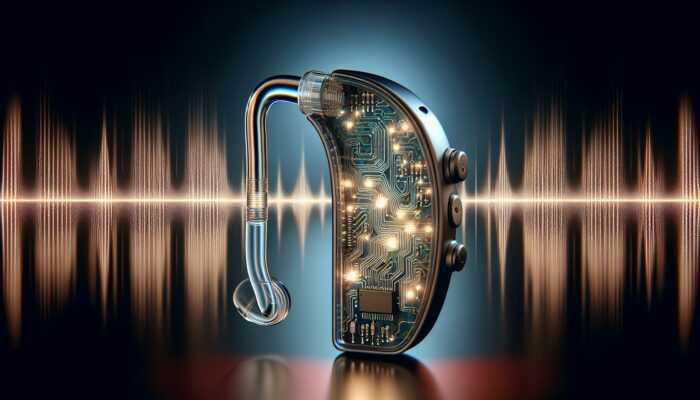
The design of hearing aids is meticulously crafted, prioritising both user comfort and cutting-edge technology. Each hearing aid typically comprises several essential components, including microphones, amplifiers, and speakers. These devices are engineered to fit comfortably either in or behind the ear, ensuring they are discreet and comfortable for daily wear. The utilisation of advanced materials and ergonomic designs guarantees that users can wear them for extended periods without discomfort.

Microphones serve as the entry point for sound, capturing audio from the environment and converting it into electrical signals. These signals are then enhanced by the amplifier, which boosts specific frequencies based on the user’s hearing profile. Finally, the speaker transforms these processed signals back into sound waves, delivering them directly into the ear.

Modern hearing aids also incorporate technologies such as digital signal processing, which enhances sound quality and clarity. This allows users to experience a more natural listening environment, whether attending a lecture in Sydney or sharing stories around a campfire in the Canadian wilderness. Moreover, many hearing aids are now equipped with Bluetooth connectivity, enabling seamless integration with smartphones and other devices for calls and music playback.

Examining the Structure and Features of Amplifiers

The construction of amplifiers sharply contrasts with the intricate design of hearing aids. Generally, amplifiers are larger and intended for external use, making them less convenient for daily wear. They often feature simple knobs or digital controls to adjust volume levels, but they lack the advanced technology that allows hearing aids to automatically adapt to different sound environments.

For example, using an amplifier at a public speaking event in London can amplify the speaker’s voice; however, it fails to differentiate between the presenter’s sound and surrounding noise. This can result in a muddled auditory experience where users find it challenging to concentrate on the speaker, distracted by various extraneous sounds in the environment.

The simplicity of an amplifier’s design presents both benefits and drawbacks. While they are easy to operate and set up, individuals with hearing loss may find that the lack of precision in sound processing does not adequately meet their needs. Unlike hearing aids, which offer tailored auditory experiences, amplifiers can lead to auditory fatigue due to their indiscriminate amplification of all sounds.

Innovative Technological Advancements Transforming Modern Hearing Aids

The evolution of hearing aids has been remarkable, driven by advancements in digital technology. Today’s hearing aids often incorporate digital signal processing, allowing them to analyse sound environments and adjust accordingly. This technology considers various factors, such as background noise levels and the specific frequencies that require amplification, ensuring users receive a personalised auditory experience.

Many state-of-the-art hearing aids are equipped with Bluetooth capabilities, facilitating direct connections to smartphones, tablets, or other devices for phone calls, music streaming, and more. For instance, a user can seamlessly transition from listening to a podcast in Stockholm to engaging in a video call at home without needing to remove their hearing aids.

In contrast, amplifiers primarily focus on raw sound amplification, lacking the sophisticated processing capabilities that hearing aids offer. While amplifiers serve well in scenarios like concerts or public events, they do not provide the customised auditory experience that individuals with hearing loss require. The technological advancements in hearing aids demonstrate a commitment to enhancing the quality of life for users, ensuring they can fully participate in various social situations worldwide.

Advanced Techniques in Sound Processing

Effective Management of Frequencies in Hearing Aids

One of the key aspects that set hearing aids apart from amplifiers is their ability to effectively manage sound frequencies. Hearing aids are designed to adjust frequencies to compensate for specific hearing losses, thereby enhancing sound clarity. This frequency management is crucial for individuals whose hearing loss may vary across different pitches.

For instance, a person may find it difficult to hear higher frequencies, such as consonants in speech. Hearing aids employ advanced algorithms that specifically amplify these frequencies, making it easier for users to comprehend conversations in noisy environments, like bustling markets in Mumbai or busy restaurants in Rome. The capability to tailor the amplification process to individual hearing profiles ensures users enjoy a richer auditory experience.

Conversely, amplifiers indiscriminately boost all frequencies, which can lead to distortion, particularly at high volumes. This lack of frequency discrimination can be detrimental for someone with hearing loss; they may feel overwhelmed by sound and struggle to distinguish important speech from background noise. The precision with which hearing aids manage sound frequencies allows users to navigate complex auditory landscapes without feeling overwhelmed.

Sound Output Disparities Between Hearing Aids and Amplifiers

When assessing sound output, the differences between hearing aids and amplifiers become even more pronounced. Amplifiers uniformly increase all sounds, which may initially seem advantageous. However, this indiscriminate amplification can lead to distorted audio, especially at elevated volumes. For instance, in a crowded venue in São Paulo, an amplifier can elevate sound levels, but it may also amplify unwanted noise, making it difficult for individuals with hearing loss to focus on desired sounds, such as a conversation.

In contrast, hearing aids are meticulously engineered to optimise sound output based on individual hearing needs. They utilise sophisticated processing techniques to enhance clarity while minimising distortion, even in complex sound environments. This means that a user can comfortably engage in a conversation at an outdoor café in Sydney, enjoying the vibrant atmosphere without being overwhelmed by background noise.

The quality of sound output underscores the necessity for specialised devices tailored for individuals with hearing loss. While amplifiers may serve a purpose in specific contexts, they fail to offer the nuanced auditory experiences that hearing aids provide. This distinction highlights the vital role of personalised auditory technology in improving communication and enriching daily interactions for those with hearing impairments.

Innovative Noise Reduction Techniques in Hearing Aids

Noise reduction is a critical feature that distinguishes hearing aids from amplifiers. Hearing aids are equipped with advanced noise reduction algorithms that filter out unwanted background sounds, allowing users to concentrate on the sounds that matter most. This is particularly beneficial in environments with multiple sources of noise, such as a busy airport in Dubai or a vibrant street market in Bangkok.

These algorithms analyse the sound environment in real-time, distinguishing between speech and noise. For instance, while attending a theatre performance in London, a hearing aid can enhance the actor’s voice while simultaneously reducing the sounds of rustling programmes or whispered conversations. This selective filtering is essential for ensuring that users can enjoy clear communication without unnecessary distractions.

In contrast, amplifiers lack these advanced noise reduction features. By amplifying all sounds uniformly, they can create an overwhelming auditory experience that may discourage individuals with hearing loss from using them in social settings. The noise reduction capabilities of hearing aids not only enhance clarity but also contribute to users’ overall comfort, allowing them to engage in conversations without the strain of excessive background noise.

The Significance of Sound Compression in Hearing Aids

Sound compression technology represents another crucial distinction between hearing aids and amplifiers. Hearing aids utilise compression to manage the dynamic range of sounds, ensuring both comfort and audibility across varying noise levels. This means that in noisy environments, such as a bustling café in Madrid, hearing aids can compress louder sounds while amplifying softer sounds, resulting in a well-balanced auditory experience.

For individuals with hearing loss, this technology is vital. It enables them to hear significant sounds—like a friend’s voice—without being overwhelmed by sudden loud noises, such as a passing motorcycle. The dynamic range management provided by hearing aids helps users navigate diverse soundscapes without discomfort or auditory fatigue.

Conversely, amplifiers do not employ sound compression techniques; they merely increase all sounds, which can lead to discomfort and distortion, particularly in environments with fluctuating noise levels. The inability to manage sound dynamics effectively signifies that amplifiers may not be suitable for individuals with hearing impairments requiring a more tailored auditory experience.

Sound compression not only enhances clarity but also significantly contributes to the overall quality of life for users, allowing them to participate in social interactions more comfortably and confidently.

Feedback Cancellation Technology Improving User Experience

The incorporation of feedback cancellation technology in hearing aids marks a significant advance over traditional amplifiers. Feedback occurs when amplified sound from the hearing aid speaker re-enters the microphone, causing a whistling or buzzing noise that can be quite distracting for users. Hearing aids are equipped with feedback cancellation systems that identify and neutralise these feedback loops, ensuring a smoother auditory experience.

For instance, during a family gathering in New Orleans, a user wearing a hearing aid can comfortably engage in conversations without the annoyance of feedback interruptions. This technology facilitates a seamless flow of communication, enhancing user confidence in social situations.

Conversely, amplifiers typically lack feedback cancellation technology. This absence renders them less suitable for individuals with hearing loss who may experience feedback-related issues. The risk of irritating sounds can deter users from utilising amplifiers in everyday situations, reinforcing the importance of specialised hearing solutions for effective communication.

Feedback cancellation in hearing aids not only enhances user experience but also improves overall satisfaction with the device, creating an environment where individuals can engage freely in conversations without the fear of discomfort.

Enhancing User Experience through Hearing Aids

Focusing on Comfort and Wearability in Hearing Aids

Comfort and wearability are paramount considerations when it comes to hearing aids, particularly since many users wear them for prolonged periods. The design of hearing aids is tailored to fit comfortably in or behind the ear, ensuring they remain unobtrusive throughout daily activities. This ergonomic consideration is especially crucial for individuals who may struggle with discomfort stemming from bulky or ill-fitting devices.

For instance, whether navigating the vibrant streets of Barcelona or participating in a conference in Johannesburg, users benefit from the discreet nature of modern hearing aids. Their shapes and materials are designed to minimise irritation and maximise comfort, allowing users to concentrate on their surroundings rather than constantly adjusting their devices.

In contrast, amplifiers, which are generally larger and intended for external use, are not designed for prolonged wear. Users may find them cumbersome to manage, especially in social situations where discreet communication is essential. This limitation can detract from the user experience, making it less likely for individuals with hearing loss to utilise amplifiers regularly.

The comfort and wearability of hearing aids significantly contribute to user satisfaction. When devices fit well and feel comfortable, users are more likely to wear them consistently, which is crucial for maintaining effective communication and social interaction.

Ensuring User-Friendly Operation with Hearing Aids

Ease of use is a critical factor for anyone choosing between hearing aids and amplifiers. Hearing aids often require professional fitting and adjustments, facilitated by audiologists who assess individual hearing profiles. While this initial setup may seem daunting, it guarantees users receive devices tailored to their specific needs.

Once fitted, many modern hearing aids come with intuitive controls and features, including smartphone connectivity for seamless operation. Users can easily adjust settings or switch between different listening modes, enhancing the overall experience. For instance, attending a lecture in Toronto becomes significantly more manageable when users can switch to a setting specifically designed for speech recognition.

In contrast, amplifiers are generally straightforward to operate, featuring simple manual controls for adjusting volume. However, this simplicity comes at a cost; users may discover that amplifiers do not adequately address their needs, particularly in complex sound environments.

The ease of use provided by hearing aids is coupled with a commitment to enhancing the communication experience. Users benefit from specialised features designed to address their unique challenges, making social interactions more enjoyable and fulfilling.

Feedback Management and Upkeep of Hearing Aids

Effective feedback management is a crucial aspect of the user experience with hearing aids. While these devices may produce feedback in certain situations, the technology designed for feedback cancellation minimises such occurrences, allowing users to engage in conversations without distraction. Regular maintenance, including cleaning and battery checks, is essential to ensure that hearing aids remain in optimal condition, enhancing their effectiveness.

Conversely, amplifiers are generally low-maintenance devices. Users can easily change batteries or make basic adjustments, but they lack the sophisticated technology needed for managing feedback. This absence can lead to frustration, especially in social settings.

Overall, while amplifiers may offer convenience in terms of maintenance, the feedback management capabilities and tailored support of hearing aids make them a more reliable choice for individuals with hearing loss. Regular maintenance fosters a positive user experience, enabling individuals to engage confidently in various social situations.

Customisation and Connectivity Features Enhancing Hearing Aids

Customisation and connectivity are standout advantages of modern hearing aids. Many devices offer programmable settings tailored to individual preferences, allowing users to adjust their auditory experience based on specific environments. This customisation can significantly enhance user satisfaction, especially in diverse settings such as restaurants, theatres, or outdoor events.

In addition to customisation, many hearing aids now include Bluetooth connectivity, enabling users to connect directly to smartphones, tablets, or other devices. This functionality allows for smooth transitions between phone calls, music, and everyday sounds, enhancing the overall user experience. For instance, a user can effortlessly switch from listening to a podcast during their commute in London to participating in a call without needing to remove their hearing aids.

While amplifiers are straightforward to use, they typically lack these advanced features. They do not offer the level of customisation or connectivity required to address the unique challenges faced by individuals with hearing loss. Without these enhancements, users may miss out on the full auditory experience, further emphasising the necessity for specialised hearing solutions.

The benefits of customisation and connectivity significantly contribute to the overall user experience, allowing individuals to tailor their hearing solutions to their lifestyles and needs. These features foster greater independence and confidence, encouraging users to engage more fully in their environments.

Health and Safety Considerations Regarding Hearing Aid Use

The Profound Influence of Hearing Aids on Auditory Health

The impact of hearing aids on overall auditory health is both profound and multifaceted. Designed with medical considerations in mind, hearing aids are regulated to ensure they do not cause harm to residual hearing. This is especially critical for individuals with hearing loss, as improper use of amplification devices can lead to further deterioration of auditory capabilities.

For example, a user with mild hearing loss who employs a hearing aid receives tailored amplification that enhances their hearing without risking additional damage. In contrast, amplifiers may pose a risk when misused; they can produce excessively loud sounds that exacerbate hearing loss or lead to auditory fatigue.

Health professionals recommend that individuals with hearing impairments undergo assessments and consultations with audiologists to determine the best hearing solutions for their needs. This professional guidance is essential for ensuring users select devices that safeguard their hearing health while enhancing their auditory experiences.

The emphasis on health and safety in hearing aid use underscores the importance of making informed choices. By selecting the right devices, individuals can enjoy improved communication and social interaction without compromising their auditory health.

The Importance of Volume Control Limitations in Hearing Aids

Volume control limits are a critical aspect that differentiates hearing aids from amplifiers. Hearing aids are equipped with built-in limits designed to protect users from exposure to dangerously high volumes. This feature is essential for preventing additional hearing damage, particularly for individuals already experiencing hearing loss.

For example, in a loud environment, such as a sports event in Melbourne, hearing aids automatically adjust to ensure users do not experience discomfort from excessively loud sounds. This built-in protection reflects a fundamental design principle that considers the medical understanding of hearing loss and its implications.

In contrast, amplifiers typically lack such volume level restrictions. Users may inadvertently increase the volume to harmful levels without realising the risks, potentially leading to long-term damage. The absence of volume control limits can discourage individuals from using amplifiers, especially those who are mindful of their auditory health.

The presence of volume control limits in hearing aids emphasises the commitment to user safety and well-being. By regulating sound levels, hearing aids provide a secure auditory experience, allowing individuals to enjoy social interactions without fear of further hearing damage.

Seeking Professional Guidance When Selecting Hearing Aids

The importance of seeking professional guidance cannot be overstated when it comes to selecting hearing aids. Audiologists play a critical role in evaluating individual hearing profiles and recommending appropriate devices. This professional oversight ensures that users receive the best possible solutions tailored to their specific needs.

For instance, during a consultation, an audiologist can assess the degree of hearing loss and recommend hearing aids equipped with features best suited for the user’s lifestyle. This personalised approach fosters a sense of confidence in the chosen device, allowing users to engage more fully in social interactions.

Conversely, amplifiers typically do not require professional input for selection and usage. While this ease of access may appeal to some, it can also lead to the risk of selecting devices that do not adequately address individual hearing challenges.

The guidance provided by audiologists reinforces the importance of informed decision-making in hearing health. By utilising the expertise of professionals in selecting hearing aids, individuals can experience improved quality of life and enhanced communication skills.

Cost and Accessibility of Hearing Aids

Understanding the Price Range of Hearing Aids

The price range for hearing aids often reflects the level of customisation and technology involved in their production. Generally, hearing aids are more expensive than amplifiers due to the sophisticated technology and individualised fitting processes. The cost of hearing aids can vary significantly, influenced by factors such as brand, features, and degree of customisation.

For example, advanced models with Bluetooth connectivity and noise reduction capabilities may command higher prices but also provide substantial benefits in terms of user experience. Conversely, amplifiers are typically more affordable, making them accessible to a broader audience; however, they lack the specialised features essential for effective hearing support.

The cost of hearing aids can be a significant consideration for many individuals, and it’s essential to explore options for insurance coverage or funding programmes. In some regions, health insurance may cover a portion of the cost, making these devices more accessible for those in need.

The disparity in price highlights the value of investing in hearing aids, particularly for individuals with hearing loss. While amplifiers may appear to be a quick fix, the long-term benefits of tailored hearing solutions often justify the higher expense.

Insurance Coverage and Funding Opportunities for Hearing Aids

Insurance coverage for hearing aids varies widely by region and provider. In numerous countries, health insurance plans may offer partial coverage for hearing aids, recognising their importance in supporting individuals with hearing impairments. This coverage can significantly reduce the financial burden associated with purchasing hearing aids, making them more accessible to those who need them.

Funding programmes are also available in many areas to assist individuals in obtaining hearing aids. These initiatives aim to provide financial assistance to those who may not have the means to afford such devices. Access to these resources can make a considerable difference for individuals seeking to improve their auditory health.

In contrast, amplifiers are generally considered out-of-pocket expenses, with little to no insurance coverage available. This lack of support can limit accessibility for individuals who may not have the resources to invest in these devices.

The disparity in insurance and funding options underscores the importance of exploring available resources for hearing aids. With the right financial support, individuals can significantly enhance their quality of life and communication abilities.

Availability of Hearing Aids Through Professional Channels

Hearing aids are typically available through healthcare providers, including audiologists and specialised clinics. This availability ensures that users can receive personalised assessments and fittings, leading to better outcomes. Many organisations offer a range of hearing aids, ensuring that users can select devices that meet their specific needs.

Conversely, amplifiers can be purchased from a variety of retail outlets, including electronics stores and online platforms. While this accessibility may seem convenient, it lacks the professional support necessary for individuals with hearing loss. Without expert guidance, users may find it challenging to select devices that effectively address their auditory challenges.

The availability of hearing aids through healthcare providers highlights the importance of professional involvement in the selection process. Individuals benefit from tailored solutions that significantly improve communication and social interaction, reinforcing the value of specialised care.

Maintenance and Repair Considerations for Hearing Aids

Hearing aids often require professional maintenance and repair services to ensure their longevity and effectiveness. Regular cleaning, battery checks, and software updates are essential for maintaining optimal performance. Audiologists typically provide these services, allowing users to rely on expert assistance for their upkeep.

On the other hand, amplifiers tend to be easier and cheaper to maintain or replace. Users can handle basic maintenance themselves, such as changing batteries or cleaning devices. However, the simplicity of amplifiers comes at the cost of lacking advanced features and support.

Investing in hearing aids entails a commitment to ongoing care; however, the advantages of tailored support and professional maintenance far outweigh the challenges. Individuals who prioritise their auditory health through regular maintenance can enjoy a more fulfilling auditory experience.

Accessibility Features in Hearing Aids Enhancing User Experience

Hearing aids come equipped with advanced accessibility features designed to enhance user experience. These may include Bluetooth connectivity, directional microphones, and customisable settings, allowing individuals to tailor their auditory experience to meet their specific needs. This level of accessibility is crucial for individuals navigating diverse environments, from bustling urban centres to tranquil rural settings.

In contrast, amplifiers offer basic volume enhancement without additional accessibility options. While they may suffice for simple sound amplification, they do not address the unique challenges faced by individuals with hearing impairments.

The presence of advanced accessibility features in hearing aids emphasises the commitment to improving the quality of life for users. By enhancing the auditory experience, these devices empower individuals to engage more fully in their environments, fostering social interaction and personal growth.

Practical Applications and Use Cases for Hearing Aids and Amplifiers

Integrating Hearing Aids into Daily Life to Enhance Communication

Hearing aids are instrumental in enriching daily life for individuals with hearing loss. They are consistently used to facilitate communication and social interaction, significantly improving users’ ability to engage in conversations and connect with their surroundings. For example, attending a family gathering or enjoying a cultural event becomes a more rewarding experience with the support of hearing aids.

In everyday scenarios, such as shopping in a local market or participating in a work meeting, hearing aids empower users to navigate complex sound environments effectively. The ability to hear and understand speech clearly fosters connections and relationships, contributing positively to overall emotional well-being.

Globally, the presence of hearing aids in daily life underscores their value as essential tools for communication. From urban settings to rural communities, these devices empower individuals with hearing loss to lead fulfilling lives, unlocking opportunities and experiences that might otherwise remain inaccessible.

The Role of Amplifiers in Entertainment and Events

Amplifiers are commonly employed in entertainment settings to enhance sound quality. For instance, they play an essential role in music performances, ensuring that audiences can enjoy rich and powerful sound experiences. Whether at a concert in Los Angeles or a theatre production in London, amplifiers are crucial in delivering captivating audio experiences.

While amplifiers serve a valuable purpose in amplifying sound for entertainment, they lack the personalised features that hearing aids provide for individuals with hearing loss. They are designed to boost sound levels indiscriminately, making them less suitable for individuals who require tailored auditory solutions.

The application of amplifiers in entertainment highlights their effectiveness in specific contexts. However, for individuals with hearing impairments, the absence of specialised features may limit their utility in everyday life.

Utilising Speech Therapy Devices to Enhance Communication

Speech therapy devices, often incorporating audio technology, play a vital role in enhancing speech clarity and communication skills for individuals with speech disorders. These devices utilise various technologies to improve sound quality, assisting therapists in delivering effective treatments.

For individuals with hearing loss, using hearing aids alongside speech therapy can yield additional benefits. Hearing aids provide clearer auditory feedback, enabling users to practice pronunciation and improve their communication skills in real-time.

The synergy between hearing aids and speech therapy devices underscores the importance of tailored solutions for individuals with hearing impairments. By supporting speech development and clarity, these devices empower individuals to express themselves more effectively.

Assistive Listening Systems for Enhanced Clarity

Assistive listening systems are designed to enhance sound clarity in various environments, aiding individuals with hearing impairments in educational, workplace, and public settings. These systems can include FM systems, infrared systems, and loop systems, which transmit sound directly to hearing aids or cochlear implants.

For example, in a classroom setting in Toronto, an assistive listening system can help students with hearing impairments focus on the teacher’s voice while minimising distracting background noise. Similarly, in workplace meetings or public events, these systems enable individuals to engage in discussions more effectively.

The implementation of assistive listening systems reflects a commitment to inclusivity and accessibility for individuals with hearing loss. By integrating these systems into various environments, organisations can create supportive spaces that enhance communication and foster engagement for all participants.

Common Questions Regarding Hearing Aids and Amplifiers

What differentiates hearing aids from amplifiers?

The primary distinction lies in their functionality. Hearing aids are engineered to selectively amplify sounds based on individual hearing profiles, whereas amplifiers indiscriminately increase the volume of all sounds.

Can amplifiers serve as a substitute for hearing aids?

While amplifiers may provide some level of sound amplification, they lack the specialised features and customisation of hearing aids, making them less effective for individuals with hearing loss.

How do hearing aids enhance communication?

Hearing aids improve communication by selectively amplifying speech sounds and minimising background noise, allowing users to engage more effectively in conversations.

Are hearing aids generally covered by insurance?

Insurance coverage for hearing aids varies by provider and region; some plans may offer partial coverage while others may not. It’s crucial to check with your insurance provider.

In what types of environments are assistive listening systems beneficial?

Assistive listening systems are advantageous in educational settings, workplaces, theatres, and public events, enhancing sound clarity for individuals with hearing impairments.

How often do hearing aids require maintenance?

Hearing aids necessitate regular maintenance, including cleaning and battery checks. Professional servicing is also recommended to ensure optimal performance.

Can hearing aids connect to smartphones?

Many modern hearing aids are equipped with Bluetooth connectivity, allowing users to connect directly to smartphones for calls, music, and other audio experiences.

What should I do if I experience feedback with my hearing aids?

If you encounter feedback, consider adjusting the fit of your hearing aids or consulting with an audiologist for guidance on optimising settings to minimise feedback.

Are there different styles available for hearing aids?

Yes, hearing aids come in various styles, including behind-the-ear (BTE), in-the-ear (ITE), and completely-in-canal (CIC), catering to different preferences and levels of hearing loss.

How can I determine if I need hearing aids?

If you find it difficult to hear conversations, frequently ask people to repeat themselves, or struggle in noisy environments, consider consulting an audiologist for a thorough hearing assessment.

Explore our world on X!

The post Hearing Aids vs. Amplifiers: Key Differences Explained appeared first on The Microsuction Ear Wax Removal Network.


Categories
Hardware Support Science & Technology

Technical Call Centres: Your Solution for Hardware Support

In today’s rapidly evolving digital landscape, technology is intricately intertwined with our everyday lives. From advanced smartphones to high-performance laptops, we heavily rely on a diverse range of hardware devices to perform numerous tasks efficiently. However, encountering technical issues with these essential devices can lead to significant frustration and disruption. This is where technical call centres become invaluable, offering effective and reliable hardware support that alleviates our concerns and ensures the smooth operation of our devices.

Get Immediate Access to Expert Hardware Assistance Anytime

Technical call centres are staffed with highly trained professionals who possess extensive knowledge about a broad spectrum of hardware devices, operating systems, and advanced troubleshooting strategies. When you encounter a problem with your hardware, reaching out to these experts can provide you with immediate assistance, regardless of your geographic location. Their expertise encompasses various hardware components, such as processors, memory, and storage devices. They are well-versed in the intricacies of operating systems, whether you are using Windows, macOS, or Linux. This extensive knowledge enables them to diagnose and efficiently resolve hardware issues, ultimately saving you valuable time and effort.

Moreover, these highly skilled professionals have access to comprehensive databases filled with known issues and their respective solutions, enabling them to identify common problems swiftly and deliver effective resolutions. Whether you are dealing with a slow laptop, a faulty printer, or a smartphone that refuses to power on, these experts can guide you through the troubleshooting process step by step, ensuring you regain control of your device swiftly and effectively.

Experience 24/7 Availability for Uninterrupted Technical Support

A person calmly calls technical support after their laptop crashes late at night; a busy, well-lit office with ready staff.

One of the primary benefits of technical call centres is their unwavering availability. Hardware problems can emerge at any time, leading to substantial disruptions in your workflow or personal activities. With support available around the clock, technical call centres ensure that you can access assistance whenever you need it, removing the necessity to wait until traditional business hours for help.

Imagine this scenario: you are diligently working on an important project late into the night when suddenly your laptop crashes. Rather than succumbing to panic or waiting until the morning, you can easily reach out to a technical call centre for immediate assistance. These centres understand the urgency of hardware issues and are fully equipped to provide timely solutions, regardless of the hour.

Additionally, technical call centres often offer multiple support channels, including phone calls, live chats, and emails. This flexibility allows you to choose the most convenient communication method based on your preferences and the severity of the problem at hand. Whether you’re a night owl or an early riser, you can rely on technical call centres to address your hardware concerns promptly and efficiently.

Benefit from Comprehensive Troubleshooting and Effective Problem Resolution

Technical call centres provide thorough troubleshooting services for a wide array of hardware devices, including but not limited to laptops, desktops, smartphones, tablets, printers, and routers. Their extensive knowledge base enables them to tackle various issues such as software conflicts, driver errors, connectivity problems, hardware failures, and much more.

When you contact a technical call centre, the initial step involves explaining the symptoms of the issue you are experiencing. The expert on the other end will listen attentively to your description and ask relevant questions to gather additional information. Armed with this data, they will analyse the symptoms and identify the root cause of the problem.

Once the issue has been pinpointed, the technical expert will provide you with detailed, step-by-step guidance to resolve the problem. They may instruct you to perform specific actions, such as rebooting your device, updating drivers or software, or adjusting settings. In certain cases, they may remotely access your device to troubleshoot the issue directly, which alleviates the hassle of articulating complex technical problems over the phone.

If the problem requires further actions or professional intervention, technical call centres can guide you toward the appropriate next steps. They can recommend authorised service centres or provide information regarding warranty coverage if needed. Their ultimate goal is to ensure that you receive the most effective and efficient resolution to your hardware problem.

Leverage Remote Assistance for Quick and Efficient Resolutions

With the continuous advancements in technology, technical call centres can frequently provide remote assistance to address hardware issues. Using secure remote access tools, their experts can connect to your device remotely and troubleshoot the problem without necessitating physical intervention.

Remote assistance offers several notable advantages. Firstly, it saves time. Instead of transporting your device to a service centre or waiting for an on-site technician, the technical expert can diagnose and resolve the issue in real-time from their location. Consequently, you can swiftly get your device operational again, minimising downtime and disruptions to your daily routine.

Furthermore, remote assistance proves especially beneficial for minor issues that can be resolved quickly. For instance, if you are experiencing connectivity problems with your printer, the technical expert can remotely examine the settings, update drivers if necessary, and guide you through the setup process. This not only alleviates the burden of troubleshooting on your own but also ensures that the problem is resolved accurately and efficiently.

It is essential to understand that remote assistance is only feasible for certain types of hardware issues and requires the user’s consent and cooperation. The technical call centre will provide clear instructions on how to establish a secure remote connection, allowing you to monitor the entire process to ensure your privacy and security are upheld.

Find a Cost-Effective Solution for Your Hardware Support Needs

Seeking hardware support from technical call centres can be an exceptionally cost-effective solution compared to traditional repair services. In many instances, minor hardware issues can be resolved through the guidance provided by call centre agents, eliminating the need for costly repairs or replacements.

When confronted with a hardware problem, the instinct might be to take your device to a local repair shop. However, this can often lead to high costs, especially if the issue is minor and can be easily rectified with the right guidance. By contacting a technical call centre, you can avoid unnecessary expenses and potentially save a significant amount of money.

Technical call centres empower users to troubleshoot and fix specific problems independently. Experts provide comprehensive instructions and guide you through the troubleshooting process, ensuring you understand each step. This approach fosters self-sufficiency, enabling you to address similar issues in the future without relying on professional help.

Nevertheless, it is crucial to recognise that in some cases, hardware repairs may require professional intervention, which technical call centres can direct you towards if necessary. They can offer information on authorised service centres in your vicinity or recommend trustworthy technicians who specialise in specific hardware repairs. This ensures that you receive the appropriate assistance when needed, without wasting time or money on ineffective solutions.

Receive Timely Software Updates and Essential Maintenance Guidance

Technical call centres not only assist users in resolving hardware issues but also provide invaluable advice on software updates and maintenance practices. They can guide you through the process of updating your device’s operating system, drivers, and firmware to ensure optimal performance and security.

Regular software updates are vital for the smooth operation of your hardware devices. These updates often include bug fixes, security patches, and performance enhancements that address known issues and vulnerabilities. However, keeping track of software updates and executing them correctly can be a daunting task for many users.

Technical call centres can simplify this process by offering step-by-step guidance on how to update your operating system and other software components. They can explain the benefits of each update and help you understand any potential risks or compatibility concerns. By staying informed about the latest software updates, you can ensure that your hardware devices are equipped with the latest features and security improvements.

In addition to software updates, technical call centres also provide maintenance tips to help you extend the lifespan of your hardware. They can recommend best practices for cleaning dust from computer fans, which can prevent overheating and hardware failures. Moreover, they can guide you on regularly backing up critical data to protect against data loss in the event of hardware failures or accidents.

Furthermore, technical call centres are well-versed in the ever-evolving landscape of cybersecurity threats. They can offer advice on safeguarding your hardware devices against malware, viruses, and other online threats. By implementing their recommendations, you can protect your personal and sensitive information, ensuring a secure computing experience.

Explore the Essential Role of Technical Call Centres in Your Hardware Support Journey

In summary, technical call centres serve as a crucial lifeline for individuals and businesses facing hardware issues with their devices. Their expertise, around-the-clock availability, and capacity to provide remote assistance make them an invaluable resource in today’s digital landscape.

By seeking hardware support from these centres, users can benefit from expert assistance, comprehensive troubleshooting, cost-effective solutions, and essential maintenance tips. Regardless of the time of day or the complexity of the problem, technical call centres are ready to provide the support and guidance necessary to overcome any technical challenges with ease.

Thus, the next time you encounter a hardware problem that causes distress, remember that technical call centres are merely a call away. With their extensive knowledge and unwavering commitment to customer satisfaction, they will ensure that your hardware devices operate smoothly, allowing you to focus on what truly matters.

Frequently Asked Questions About Technical Call Centres

Q: What types of support do technical call centres offer?

A: Technical call centres deliver efficient and reliable hardware support for a diverse range of devices, including laptops, smartphones, printers, and routers. They provide comprehensive troubleshooting services, diagnose and resolve hardware issues, and offer step-by-step guidance on resolving problems effectively.

Q: Are technical call centres operational 24/7?

A: Yes, technical call centres are available around the clock, ensuring uninterrupted support. They recognise the urgency of hardware issues and deliver timely solutions at any hour. Various channels for support are offered, including phone calls, live chats, and emails.

Q: Can technical call centres offer remote assistance?

A: Yes, technical call centres frequently provide remote assistance to address hardware issues. By utilising secure remote access tools, their experts can connect to your device remotely and troubleshoot the problem in real-time, saving you time and minimising disruptions to your daily routine.

Q: Is obtaining hardware support from technical call centres cost-effective?

A: Absolutely, seeking hardware support from technical call centres can be a cost-effective alternative to traditional repair services. Many minor hardware issues can often be resolved through guidance provided by call centre agents, eliminating the necessity for expensive repairs or replacements. They empower users to manage similar challenges independently, promoting self-sufficiency. However, in certain cases, professional intervention may be necessary, and technical call centres can guide you toward authorised service centres or trusted technicians.

Originally posted 2023-06-17 21:54:24.

The post Hardware Support from Technical Call Centres: No More Panic appeared first on Healthcare Marketing Service.

Categories
Health & Wellness Hearing Devices

Hearing Aids: Understanding Their Function and Advantages

In-Depth Exploration of Hearing Aid Varieties

Unlock the Benefits of Behind-the-Ear (BTE) Hearing Aids

Behind-the-ear (BTE) hearing aids are remarkably versatile devices that comfortably rest behind the ear, providing an effective solution for individuals experiencing various levels of hearing loss, ranging from mild to profound. These aids are connected to a custom-fitted earpiece via a slender tube, allowing for outstanding sound amplification. One of the most significant advantages of BTE hearing aids is their powerful amplification capabilities, which can dramatically improve sound clarity and volume. This feature is particularly beneficial for individuals who find it difficult to hear in complex auditory settings, such as crowded places or noisy environments. Additionally, BTE models are designed for ease of use, making them a popular choice among seniors or individuals who may struggle with more complicated devices.

Many BTE hearing aids are equipped with innovative features such as Bluetooth connectivity, enabling users to stream audio directly from smartphones, televisions, and other compatible devices. This capability is especially beneficial for those who enjoy multimedia experiences but encounter difficulties when trying to hear through standard speakers. Furthermore, the larger design of BTE hearing aids usually translates to longer battery life compared to their smaller counterparts, ensuring that users can rely on their devices throughout the day without the need for constant recharging or battery changes.

Apart from their technological advancements, BTE hearing aids offer extensive customisation options. Users can choose from a diverse array of colours and styles, allowing them to express their unique personalities while benefiting from enhanced hearing capabilities. As a result, BTE hearing aids not only serve a practical purpose but also empower users to maintain their individuality and sense of style, making them a fashionable and functional accessory.

Discover the Subtlety of In-the-Ear (ITE) Hearing Aids

In-the-ear (ITE) hearing aids are meticulously crafted to fit snugly within the outer ear, presenting a discreet solution for individuals facing varying degrees of hearing loss, from mild to severe. Each device is custom-made to conform to the unique shape of the wearer’s ear, ensuring both comfort and a visually appealing appearance. This embedded design not only provides ease of use but also minimises the visibility of the hearing aid, making it an excellent choice for individuals who value aesthetics without compromising on functionality.

Contemporary ITE hearing aids are equipped with state-of-the-art technologies that significantly enhance sound quality. Many modern models incorporate noise reduction technology, which effectively filters out unwanted background noise, thereby improving speech clarity in bustling or noisy situations. This feature is particularly advantageous during social interactions, where users rely on clear communication without distractions. Additionally, ITE models often include directional microphones, allowing users to easily identify the source of sounds, which enriches their auditory experience and makes conversations more engaging and enjoyable.

Another notable advantage of ITE hearing aids is their intuitive controls, which can be easily adjusted by the user. Certain models offer programmable settings, allowing users to fine-tune their hearing experience based on specific environments, such as quiet rooms or lively restaurants. This level of personalisation ensures that wearers can enjoy an enhanced auditory experience that aligns perfectly with their individual lifestyles and preferences, making communication more effective and enjoyable.

Explore the Unique Benefits of Completely-in-Canal (CIC) Hearing Aids

Completely-in-canal (CIC) hearing aids are celebrated for their near-invisible design, as they sit deeply within the ear canal. This discreet placement makes them an appealing choice for individuals who prioritise aesthetics while still requiring significant auditory support. CIC devices cater to those experiencing mild to moderate hearing loss, and their custom fit guarantees comfort and stability during daily activities, allowing users to navigate their lives with confidence and ease.

Despite their compact size, CIC hearing aids do not compromise on functionality. Many of these devices are equipped with cutting-edge features, including digital signal processing and feedback cancellation, which provide users with clear sound while minimising unwanted whistling noises. Furthermore, CIC hearing aids benefit from their proximity to the eardrum, enhancing sound quality and providing a more natural listening experience that makes everyday interactions more enjoyable and fulfilling.

However, potential users should be aware that CIC hearing aids come with certain limitations. Their small design may restrict some features available in larger models, such as Bluetooth connectivity or extended battery life. Therefore, it is essential for users to carefully assess their specific requirements and preferences when selecting a hearing aid style. Consulting with a qualified hearing specialist can help determine whether a CIC model aligns with their individual hearing needs and lifestyle.

Discover the Versatility of Receiver-in-Canal (RIC) Hearing Aids

Receiver-in-canal (RIC) hearing aids represent a harmonious blend of the advantages offered by both BTE and ITE models. They feature a compact behind-the-ear component linked to a receiver that sits within the ear canal. This design fosters a discreet appearance while delivering exceptional sound quality and amplification capabilities. RIC hearing aids are suitable for a broad spectrum of hearing loss levels, making them a flexible option for a diverse group of users seeking effective auditory solutions.

One of the most notable features of RIC hearing aids is their superior sound quality. The receiver positioned within the ear canal captures sound more naturally, enhancing the overall listening experience. Additionally, many RIC models are equipped with advanced technologies, such as automatic sound adjustment systems that adapt the hearing aid based on surrounding noise levels. This functionality ensures users enjoy an optimal auditory experience regardless of whether they are at home, in a crowded café, or attending a lively concert, making RIC aids an excellent choice for various situations.

RIC hearing aids also embrace modern connectivity options. Numerous models support Bluetooth technology, allowing users to stream audio directly from compatible devices. This feature caters to the rising demand for seamless integration with smartphones, tablets, and televisions. Moreover, the open-ear design of RIC aids often creates a more natural sound environment, enabling users to engage in conversations without feeling isolated or disconnected from their surroundings, thus enhancing social interactions and daily experiences.

Key Components of Hearing Aids: An Explanatory Guide

Understanding the Crucial Role of Microphones in Hearing Aids

The microphone is a fundamental component of hearing aids, serving as the primary interface between the user and their auditory surroundings. It captures sound waves from the environment and converts them into electrical signals for further processing. The quality and strategic placement of microphones significantly influence the device’s performance, as they must accurately detect a vast array of sounds, ranging from soft whispers to loud noises, ensuring that users can experience a full spectrum of auditory input.

Most modern hearing aids are equipped with multiple microphones to enhance sound capture capabilities. Directional microphones, in particular, are invaluable as they focus on sounds originating from in front of the user while minimising background noise from other directions. This design proves especially beneficial in challenging listening environments, such as crowded restaurants or busy streets, where users need to concentrate on conversations without distraction or confusion, ultimately improving their communication experience.

The integration of advanced technologies has led to the development of adaptive microphones capable of adjusting their sensitivity based on the user’s environment. For instance, in quieter settings, the microphones may pick up softer sounds, while in louder scenarios, they may prioritise speech, ensuring that users experience optimal sound quality regardless of their surroundings. Such innovations empower users to navigate diverse auditory landscapes, greatly enhancing their overall listening experience and social interactions.

Exploring the Essential Function of Amplifiers in Hearing Aids

The amplifier serves a crucial role in hearing aids by boosting the strength of electrical signals generated by the microphone. This amplification process is vital as it transforms the captured sounds into clear audio that users can hear. The effectiveness of the amplifier directly impacts the quality of sound reproduction, making it an essential component for individuals with hearing loss seeking clarity and understanding in their auditory experiences. A well-functioning amplifier ensures that sounds are not only louder but also clearer, allowing users to engage in conversations and enjoy music or nature sounds more fully.

Modern hearing aids utilise sophisticated amplification technologies that allow for customisable settings tailored to individual preferences and needs. Users can adjust amplification levels according to their specific hearing loss patterns, ensuring they receive the appropriate amount of sound enhancement. This level of personalisation is key to ensuring that users feel both comfortable and confident while engaging with their auditory environment, significantly enhancing their quality of life and social interactions.

Furthermore, advancements in digital signal processing have significantly improved amplifier functionality. Many devices now feature automatic gain control, which adjusts amplification based on surrounding sound levels. This means users can enjoy a consistent auditory experience, whether they are in a quiet room or a bustling outdoor setting, resulting in improved clarity and comfort that allows them to participate in conversations and social interactions with greater ease and enjoyment.

Examining the Functionality of Speakers in Hearing Aids

The speaker, often referred to as the receiver in hearing aids, is responsible for converting the amplified electrical signals back into sound waves that users can hear. This component is integral to the overall performance of hearing aids, as it determines the quality and clarity of the sound output. The positioning and type of speaker can significantly affect the listening experience, making it a crucial part of the device’s design and functionality.

Advanced hearing aids typically feature speakers designed to produce high-fidelity sound. These speakers are engineered to minimise distortion, ensuring users receive a natural and accurate representation of the sounds in their surroundings. The quality of the speaker directly influences how users perceive speech and other vital sounds, making it essential for effective communication and overall auditory satisfaction. High-quality speakers enhance the listening experience, allowing users to enjoy music, conversations, and environmental sounds with greater clarity.

Moreover, many modern hearing aids incorporate multiple speakers to optimise sound delivery. This multi-speaker system enhances sound separation and clarity, particularly in challenging listening situations. Utilizing innovative technologies such as feedback cancellation systems further improves speaker performance, ensuring users enjoy a pleasant auditory experience without the discomfort of whistling or distortion, allowing for more natural and enjoyable conversations that enrich their daily lives.

Understanding the Operational Mechanisms of Hearing Aids

Decoding the Sound Processing Mechanism in Hearing Aids

Sound processing is a fundamental aspect of how hearing aids operate, transforming incoming sounds into clear auditory signals. The primary aim of sound processing is to enhance speech intelligibility while effectively reducing background noise. This capability is especially crucial for individuals with hearing loss, as they may struggle to distinguish speech in noisy environments, making it challenging to engage in conversations and social interactions.

Modern hearing aids employ sophisticated sound processing algorithms that analyse incoming sounds in real-time. These algorithms identify various sound patterns, allowing the device to prioritise speech frequencies while filtering out less relevant noises. For example, in a bustling café, the hearing aid can focus on the voice of a conversation partner while minimising the clatter of dishes and background chatter, thereby providing users with a significantly improved listening experience that enhances their social interactions.

Additionally, advanced sound processing capabilities enable hearing aids to adapt seamlessly to different acoustic environments. Many devices come equipped with automatic settings that adjust sound processing based on the user’s surroundings. This means that whether the user is at home, in a meeting, or attending a concert, the hearing aid can optimise its performance for the best auditory experience possible. Such versatility is essential for fostering effective communication and social engagement among users with hearing loss, enriching their interactions with the world around them and enhancing their quality of life.

Diving into Digital Signal Processing (DSP) Technology in Hearing Aids

Digital signal processing (DSP) technology has transformed the functionality of hearing aids, enabling them to analyse and modify sound signals in real-time. DSP allows hearing aids to perform complex calculations swiftly, enhancing sound quality and user experience. This technology is particularly valuable for individuals with hearing loss, as it addresses various auditory challenges in a highly effective manner, significantly improving their overall listening experience.

One of the primary advantages of DSP is its capacity to create customised sound profiles based on individual hearing needs. Through thorough audiological assessments, audiologists can programme hearing aids to match the user’s unique hearing loss characteristics, ensuring that the amplification provided is tailored specifically to their requirements. This level of personalisation significantly enhances speech clarity and overall auditory comfort, allowing users to engage more fully with their environments and enjoy richer auditory experiences.

Moreover, DSP technology facilitates advanced features such as noise reduction and feedback cancellation. Noise reduction algorithms can effectively minimise background sounds, enabling users to focus on speech and other important auditory signals. Meanwhile, feedback cancellation systems work to eliminate the annoying whistling sounds that can occur when sound escapes the ear canal and re-enters the microphone. By addressing these common auditory issues, DSP enhances the overall performance of hearing aids, making them more user-friendly and effective for those with hearing challenges.

The Critical Role of Feedback Cancellation in Hearing Aids

Feedback cancellation is a vital aspect of hearing aid technology that enhances the user experience by preventing unwanted whistling or feedback sounds. This phenomenon occurs when sound escapes the ear canal and is picked up again by the microphone, creating a feedback loop that results in a high-pitched noise. Such feedback can be distracting and uncomfortable for users, making effective feedback cancellation essential for a pleasant auditory experience.

Modern hearing aids utilise sophisticated digital feedback cancellation algorithms that detect and neutralise these feedback loops in real-time. By continuously monitoring sound levels, the hearing aid can identify potential feedback occurrences and adjust its settings accordingly. This proactive approach ensures that users enjoy a seamless auditory experience without the annoyance of whistling sounds, greatly enhancing their overall listening comfort and enabling more effective communication in various social settings.

The effectiveness of feedback cancellation can significantly impact the user’s comfort and confidence. By minimising the likelihood of these disruptive noises, users can engage more freely in conversations and social situations, thereby enhancing their overall quality of life. Furthermore, the integration of feedback cancellation technology allows for greater flexibility in fitting styles, as users can feel assured wearing hearing aids without the fear of feedback issues affecting their auditory experience and social interactions.

Understanding the Functionality of Directional Microphones in Hearing Aids

Directional microphones are a key feature in many modern hearing aids, designed to enhance the user’s ability to hear speech in noisy settings. Unlike omnidirectional microphones, which pick up sound from all directions, directional microphones focus on sounds coming from a specific direction, typically from the front. This design is particularly beneficial for individuals who frequently find themselves in crowded or noisy environments, such as restaurants, social events, or public transportation, where clear communication is vital.

By prioritising sounds from the front, directional microphones significantly improve speech intelligibility, allowing users to engage more effectively in conversations. This feature is especially important for individuals with hearing loss, who may struggle to discern speech in the presence of background noise. The ability to focus on speech amidst surrounding sounds can greatly improve the quality of social interactions and overall communication, enhancing the user experience and fostering deeper connections with others.

In addition to enhancing speech recognition, directional microphones can be adjusted based on the user’s environment. Many hearing aids featuring this capability allow users to switch between directional and omnidirectional modes, providing flexibility for varying listening situations. For instance, users may prefer omnidirectional mode in quiet settings where background noise is minimal, while switching to directional mode in louder environments for improved clarity. This adaptability ensures that users can enjoy an optimal listening experience tailored to their specific needs and preferences, making communication more effective and enjoyable.

The Significance of Automatic Gain Control in Hearing Aids

Automatic gain control (AGC) is a crucial feature in hearing aids that automatically adjusts the volume based on surrounding sound levels. This technology ensures that users receive an appropriate level of amplification, regardless of their environment. For individuals with hearing loss, this adaptability is essential for maintaining auditory comfort and clarity across various listening situations, enhancing their overall experience.

When users enter a noisy environment, AGC technology automatically increases amplification to help them hear important sounds and speech. Conversely, in quieter settings, the hearing aid reduces amplification to prevent overwhelming the user with excessive sound. This dynamic adjustment enhances overall listening comfort and ensures that users can engage effectively in conversations without straining to hear what others are saying, thereby improving their social interactions and daily experiences.

Moreover, AGC technology plays an integral role in preserving the longevity of hearing aids. By preventing sudden spikes in volume that can lead to discomfort, AGC minimises the likelihood of feedback and distortion, contributing to a more enjoyable auditory experience. This feature is particularly beneficial for users who frequently transition between different environments, such as moving from a quiet home setting to a bustling public space, ensuring seamless auditory adaptation and improved overall quality of life.

Exploring the Multifaceted Benefits of Hearing Aids

Enhancing Communication for Deeper Connections

Utilising hearing aids significantly enhances communication capabilities, allowing users to engage more fully in conversations and social interactions. For individuals with hearing loss, effective communication is often hindered by the inability to hear speech clearly, leading to misunderstandings and feelings of isolation. Hearing aids bridge this communication gap by amplifying sound and improving speech intelligibility, fostering meaningful interactions across various social contexts.

The social implications of enhanced communication are profound. Individuals who wear hearing aids frequently report stronger relationships with family, friends, and colleagues. By actively participating in conversations without the constant strain of trying to hear, users can enjoy richer social experiences that contribute to their emotional well-being. This improved ability to connect with others directly correlates with reduced feelings of loneliness and isolation, which often accompany hearing loss, ultimately enhancing users’ quality of life.

Moreover, improved communication extends beyond personal interactions. Many users find that their professional lives also benefit from the clarity and confidence that hearing aids provide. Whether in meetings, collaborating with team members, or engaging with clients, the ability to hear clearly enhances performance and productivity in various work settings. Ultimately, the benefits of improved communication powered by hearing aids extend across personal and professional dimensions, enriching users’ lives in multifaceted ways and promoting overall well-being.

Enhancing Personal Safety Through Improved Auditory Awareness

The impact of hearing aids on personal safety is substantial. By improving the ability to hear warning signals, alarms, and other important sounds, hearing aids contribute significantly to overall awareness and safety in daily life. For individuals with hearing loss, the inability to hear these critical sounds can pose serious risks, particularly in emergency situations where timely responses are essential for safety and well-being.

Many users report feeling more secure when wearing hearing aids, as they can better detect sounds like car horns, sirens, or smoke alarms. This heightened awareness enables them to respond promptly to potential dangers, effectively reducing the likelihood of accidents or injuries. Whether navigating busy streets, crossing intersections, or simply being aware of one’s surroundings at home, hearing aids play a vital role in facilitating a safer living environment for users, enhancing their overall quality of life and peace of mind.

Additionally, the benefits of enhanced safety extend to caregivers and family members of individuals with hearing loss. Knowing that their loved ones can hear essential sounds fosters peace of mind, allowing for a more relaxed and supportive living environment. This sense of security empowers users to engage in daily activities with greater confidence, ultimately contributing to a higher quality of life and improved mental well-being.

Boosting Confidence Through Enhanced Hearing Experiences

Wearing hearing aids often leads to a significant boost in confidence for individuals with hearing loss. The ability to hear clearly enhances self-esteem, allowing users to engage more fully in conversations and social settings. This newfound confidence can transform how individuals interact with others, leading to more fulfilling personal and professional relationships that enrich their lives and promote overall happiness.

Many users share inspiring stories of how hearing aids have helped them reclaim their social lives. With improved communication abilities, they feel more comfortable participating in group discussions, attending events, and reconnecting with friends and family. This revitalisation of social engagement acts as a catalyst for broader changes in life, encouraging users to pursue new interests and activities they may have previously avoided due to hearing challenges.

Furthermore, increased confidence positively impacts mental health. Users who feel more connected to their surroundings and relationships report lower levels of anxiety and depression associated with hearing loss. The empowerment that comes from effectively communicating with others fosters a sense of belonging and acceptance that is crucial for overall well-being and happiness, enhancing the quality of life for those with hearing difficulties.

Supporting Cognitive Health Through Enhanced Hearing Capabilities

Research has established a strong connection between hearing loss and cognitive decline, indicating that untreated hearing loss can contribute to conditions such as dementia. Hearing aids play a pivotal role in maintaining cognitive health by reducing the cognitive load required to process sounds. When individuals can hear clearly, they expend less mental effort struggling to understand speech and other auditory signals, allowing them to focus on interactions and experiences fully.

By alleviating this cognitive burden, hearing aids may help preserve cognitive function over time. Users often find they can engage in conversations and activities without experiencing mental fatigue, promoting a healthier mental state. Additionally, the social engagement facilitated by hearing aids can further stimulate cognitive activity, reinforcing neural connections and supporting overall brain health, thus creating a positive feedback loop for cognitive wellness that benefits users in numerous aspects of their lives.

Moreover, wearing hearing aids can help stave off feelings of isolation that may lead to depression and cognitive decline. By maintaining social connections and actively participating in conversations, users keep their minds active and engaged. This holistic approach to hearing health not only improves auditory experiences but also contributes to a more vibrant and fulfilling life for those with hearing loss, enhancing their overall well-being and satisfaction.

Adjusting to Life with Hearing Aids: A Comprehensive Guide

Navigating Initial Discomfort When Wearing Hearing Aids

For many new users, the experience of wearing hearing aids can come with a degree of initial discomfort. This may manifest as a sensation of fullness in the ear or slight pressure as the device is fitted. Such discomfort is a common part of the adjustment process and typically subsides over time as users become accustomed to the feeling of wearing hearing aids on a daily basis. Understanding that initial discomfort is a normal part of the experience can help users remain patient during the adaptation period.

Many audiologists recommend gradually increasing the number of hours spent wearing hearing aids to allow the user’s ears and brain to adjust to the amplified sounds. By starting with shorter periods and progressively extending wear time, users can ease into the experience and reduce the likelihood of overwhelming discomfort. This gradual approach allows users to acclimatise to the changes in their auditory perception, making the transition to using hearing aids smoother and more enjoyable.

It’s also essential for new users to communicate openly with their audiologists about their experiences with discomfort. Audiologists can make necessary adjustments to the hearing aids to improve fit and comfort, ensuring that users can enjoy the benefits of their devices without unnecessary discomfort. This collaborative approach fosters a positive experience and encourages users to embrace their hearing aids as valuable tools for enhancing their quality of life and auditory experiences.

Understanding the Adaptation Period for Hearing Aids

The adaptation period is a crucial phase for individuals adjusting to hearing aids, involving both physical acclimatisation and cognitive adjustments. It typically takes time for the brain to process amplified sounds accurately, especially for those who have experienced hearing loss for an extended period. During this time, users may need to exercise patience and commitment to fully reap the benefits of their devices, understanding that acclimatisation is a process that varies for each individual.

As users begin to hear sounds they may have long forgotten—such as the rustling of leaves, the chirping of birds, or the subtlety of conversations—they may initially feel overwhelmed. This heightened awareness is a positive indicator that the hearing aids are functioning effectively and signifies the start of a new auditory journey. Users should embrace this phase as an opportunity to rediscover the richness of their environment and the sounds that surround them, allowing for a deeper connection to their daily experiences.

Engaging in regular practice and gradually exposing oneself to different listening environments can aid in the adaptation process. Users might benefit from participating in group conversations, attending events, or simply enjoying quiet time in nature. The more they interact with varying soundscapes, the more comfortable they will become with their hearing aids, ultimately leading to a more fulfilling auditory experience that enhances their daily lives and social interactions.

The Crucial Role of Professional Support in Adjusting to Hearing Aids

Ongoing support from audiologists is invaluable for individuals adjusting to hearing aids. Audiologists play a pivotal role in ensuring that hearing aids meet the user’s needs and preferences, providing professional guidance throughout the process. Regular check-ups allow for adjustments and fine-tuning of the hearing aids, enhancing the overall user experience and ensuring optimal performance.

During follow-up appointments, audiologists can assess the user’s experience, address any concerns, and make necessary modifications. This may include adjusting amplification settings or fine-tuning specific features to ensure optimal performance tailored to the user’s lifestyle. Users should feel empowered to communicate openly with their audiologists, sharing feedback about their experiences and any challenges they encounter along the way, fostering a collaborative relationship that enhances their auditory health.

Moreover, audiologists can provide education and resources to help users navigate common issues associated with hearing aids, such as maintenance and care. By fostering a collaborative relationship, users can feel confident that they have the support they need to maximise the benefits of their hearing aids, ultimately enhancing their quality of life and auditory experiences, allowing them to engage more fully with the world around them.

Essential Maintenance and Care for Hearing Aids

Establishing a Daily Cleaning Routine for Optimal Hearing Aid Performance

Regular cleaning of hearing aids is essential for maintaining optimal performance and ensuring longevity. Over time, earwax, moisture, and debris can accumulate on the devices, potentially impacting sound quality and functionality. Users should establish a daily cleaning routine to keep their hearing aids in top condition, ensuring that they continue to deliver clear sound and reliable performance.

Daily cleaning should involve gently wiping down the exterior of the hearing aids with a soft, dry cloth to remove any surface dirt or moisture. Special attention should be paid to the microphone and speaker openings, as these areas can be particularly susceptible to blockage. Many manufacturers provide specific cleaning tools designed to assist in maintaining hearing aids, making the process straightforward and highly effective for users, ensuring their devices remain functional and reliable.

In addition to daily cleaning, users should schedule regular professional servicing to ensure their hearing aids receive comprehensive care. Audiologists can conduct thorough inspections, identify potential issues, and perform necessary repairs or adjustments. This proactive approach to maintenance helps extend the lifespan of hearing aids and ensures that users enjoy consistent, high-quality auditory experiences that enhance their daily lives and social interactions.

Effective Battery Management for Seamless Hearing Aid Use

Proper battery management is crucial for the uninterrupted use of hearing aids. Many models utilise disposable batteries, while others are rechargeable, each requiring specific care to ensure optimal performance. Users should be aware of their hearing aid’s battery type and implement best practices for effective battery management to avoid unexpected outages.

For disposable batteries, it’s essential to monitor battery life and replace them promptly to avoid unexpected outages. Users are advised to keep spare batteries on hand, especially when travelling or in situations where access to replacements may be limited. Storing batteries in a cool, dry place can also help extend their lifespan, ensuring that users can consistently rely on their hearing aids throughout the day without interruptions.

Rechargeable hearing aids offer the convenience of eliminating the need for frequent battery replacements. Users should ensure they charge their devices fully each night and follow the manufacturer’s guidelines for battery care and longevity. Regularly cleaning the charging ports and ensuring that connections are secure can help prevent charging issues, ensuring that hearing aids are ready for use whenever needed and enhancing overall user satisfaction.

The Importance of Professional Servicing in Maintaining Hearing Aids

Regular professional servicing is key to ensuring the longevity and effectiveness of hearing aids. Audiologists play a vital role in maintaining the performance of these devices, conducting comprehensive check-ups that address potential issues before they escalate. Users should schedule regular appointments to ensure that their hearing aids continue to function optimally and meet their auditory needs, providing the best possible experience.

During servicing appointments, audiologists can perform thorough inspections to identify any signs of wear or damage. This proactive approach allows for timely repairs and adjustments, ensuring that users benefit from the latest technologies and features available in hearing aids. By maintaining an ongoing relationship with their audiologists, users can stay informed about advancements in hearing aid technology and make necessary updates as needed, enhancing their auditory health and overall well-being.

Moreover, professional servicing extends beyond technical adjustments. Audiologists can provide valuable insights into the user’s experience, offering personalised recommendations for optimising hearing aids based on specific lifestyle needs. This collaborative approach ensures that users receive comprehensive support for their auditory health and well-being, leading to a more fulfilling life enhanced by effective hearing.

Protecting Hearing Aids from Moisture Damage for Longevity

Protecting hearing aids from moisture is essential for preventing damage and ensuring functionality. Excessive moisture can affect the internal components of hearing aids, leading to malfunctions or reduced performance. Users should implement strategies to safeguard their devices from moisture exposure, particularly in humid environments or during physical activities that may cause sweating, ensuring their hearing aids remain functional and reliable.

One effective method of moisture protection is to store hearing aids in a dehumidifying container or drying kit overnight. These products are designed to absorb excess moisture, keeping hearing aids dry and functioning optimally. Additionally, users can consider using moisture-proof covers or protective sleeves when wearing their devices in damp conditions, providing an added layer of protection against moisture-related issues that could compromise the integrity of the devices.

It’s also important for users to avoid wearing hearing aids while swimming or engaging in activities that may expose them to excessive moisture. By taking proactive measures to protect hearing aids from moisture, users can extend their lifespan and maintain the quality of their auditory experiences, ensuring that their hearing aids remain reliable and effective for years to come.

Best Practices for Handling and Storing Hearing Aids

Proper handling and storage of hearing aids when not in use are essential for preventing physical damage and prolonging their lifespan. Users should develop a routine for safely storing their devices, ensuring they are protected from potential hazards such as pets, children, or accidental drops that can cause damage, ultimately preserving the functionality of the devices.

When not wearing hearing aids, users should store them in a designated case or container to prevent dust accumulation and physical damage. The storage location should be cool and dry, away from direct sunlight or excessive heat, which can adversely affect the performance of the devices. Following these best practices helps ensure that hearing aids remain in excellent condition for reliable use, contributing to long-term satisfaction and optimal performance.

Additionally, users should handle hearing aids with care, avoiding unnecessary pressure or twisting when inserting or removing them. Taking time to learn the correct techniques for handling hearing aids can prevent physical damage and ensure a comfortable fit. By prioritising proper handling and storage, users can enjoy the longevity and effectiveness of their hearing aids, enhancing their overall auditory experience and daily interactions.

Frequently Asked Questions About Hearing Aids

What are hearing aids and how do they function?

Hearing aids are electronic devices specifically designed to amplify sound for individuals with hearing loss. They consist of several components, including a microphone, amplifier, and speaker, working together to enhance the user’s ability to hear and comprehend sounds in their environment effectively. These devices transform captured sounds into clear audio, allowing users to engage more fully in conversations and daily activities.

What types of hearing aids are available on the market?

There are various types of hearing aids, including behind-the-ear (BTE), in-the-ear (ITE), completely-in-canal (CIC), and receiver-in-canal (RIC) models. Each type offers unique features and benefits tailored to the wearer’s specific needs and preferences, allowing users to choose the best fit for their lifestyle and hearing requirements.

How do I select the most suitable hearing aid for my needs?

Choosing the right hearing aid involves considering factors such as the degree of hearing loss, lifestyle, and personal preferences. It’s essential to consult with a qualified audiologist who can provide guidance and recommend the best options based on individual requirements and auditory needs, ensuring users receive the most appropriate device for their situation.

What is the typical lifespan of hearing aids?

The lifespan of hearing aids can vary based on factors such as usage, care, and technological advancements. Generally, hearing aids last between three to seven years. Regular maintenance and professional servicing can extend their longevity, ensuring they continue to provide optimal performance and enhance the user’s auditory experiences.

Can I wear hearing aids while exercising or engaging in physical activities?

Yes, many hearing aids are designed to be worn during physical activities; however, it’s crucial to protect them from moisture. Users should consider using moisture-resistant covers or storing them in a secure place during excessive sweating or swimming to maintain their functionality and ensure a comfortable experience while staying active.

What are the best practices for maintaining my hearing aids?

Maintaining hearing aids involves regular cleaning, effective battery management, professional servicing, moisture protection, and careful handling and storage when not in use. Following these practices can significantly enhance performance and the overall longevity of the devices, ensuring users enjoy clear sound and reliable functionality for years to come.

Will hearing aids provide relief from tinnitus symptoms?

While hearing aids are primarily designed to amplify sound, many users report experiencing relief from tinnitus symptoms. By enhancing external sounds, hearing aids can help mask the internal sounds associated with tinnitus, providing a more comfortable listening experience for users and improving their overall quality of life.

Do I need a prescription to obtain hearing aids?

Yes, a prescription from an audiologist or hearing care professional is typically required to obtain hearing aids. An assessment of hearing loss is necessary to determine the appropriate type and settings for the devices, ensuring they meet the user’s specific needs and provide effective auditory support.

Are hearing aids covered by insurance plans?

Coverage for hearing aids varies widely among insurance plans. Some plans may cover part or all of the costs associated with hearing aids, while others may not provide any coverage. It’s essential to check with the insurance provider for specific details regarding coverage and financial support, ensuring that users are informed about their options.

Join us on our journey on X!

The post Hearing Aids Explained: How They Work and Their Benefits appeared first on The Microsuction Ear Wax Removal Network.

Categories
Science & Technology Software Solutions

System Integration for Effortless Software Operations

System integration stands as a pivotal process in today’s digitally-driven environment, where businesses strive to enhance operational efficiency, streamline workflows, and foster seamless collaboration across various departments. As technological advancements continue to evolve at an unprecedented pace, organisations are increasingly seeking innovative strategies to interconnect their diverse software systems. This integration centralises data, automates critical processes, and significantly boosts overall performance. In this article, we delve into the concept of system integration, examining its vital role in the contemporary business world and how it empowers organisations to harness the full potential of software for unified operations.

Grasping the Essentials of System Integration

System integration is fundamentally about linking a variety of software applications, platforms, databases, and systems to facilitate seamless data flow, communication, and interoperability. The primary aim is to cultivate a cohesive environment where disparate components of an organisation’s IT infrastructure can operate in unison. By bridging the gaps that exist between unrelated systems, system integration effectively eliminates data silos, reduces redundancy, and significantly enhances the ability to make data-driven decisions.

This integration process ensures that each software application can communicate effectively and share critical data, thereby allowing organisations to achieve a holistic view of their operations. It typically involves establishing connections between various systems, including customer relationship management (CRM), enterprise resource planning (ERP), inventory management, and payroll systems, facilitating a seamless exchange of essential information.

The system integration process encompasses several key components, including data mapping, transformation, and synchronisation. Data mapping aligns the formats, structures, and semantics of data across different systems, enabling seamless data exchange. Transformation involves converting data into compatible formats, ensuring systems can effectively communicate. Finally, synchronisation guarantees that data remains consistently updated and shared in real-time, significantly enhancing operational efficiency.

Understanding the Critical Importance of System Integration in Business

In today’s fiercely competitive business landscape, organisations increasingly rely on a multitude of software solutions to manage various aspects of their operations. These solutions often stem from different vendors, employ diverse technologies, and fulfil distinct roles. System integration plays a crucial role in enabling these disparate systems to communicate, exchange, and share information efficiently. Below, we explore several key reasons that underscore the critical significance of system integration for businesses:

1. Elevating Efficiency and Productivity through Strategic Integration

Integrating diverse software systems significantly enhances operational efficiency by automating processes, eliminating the need for manual data entry, and reducing the risk of human error. This transformation leads to improved efficiency and productivity levels, allowing employees to focus on value-added tasks rather than repetitive administrative duties. For instance, an integrated system can automate the transfer of information from customer relationship management (CRM) software to the enterprise resource planning (ERP) system, ensuring that sales orders are processed automatically, inventory levels are updated, and invoices are generated without requiring human intervention.

Beyond mere automation, system integration facilitates the smooth flow of information between systems, negating the need for manual data transfers and duplicate entries. This not only conserves valuable time but also reduces operational costs associated with manual processes, empowering businesses to allocate their resources more effectively.

With system integration, organisations can streamline their workflows, ensuring that processes are executed consistently and efficiently. For example, by linking the human resources (HR) system with the payroll system, employee data can be automatically synchronised, which reduces administrative burdens and minimises the potential for errors.

2. Achieving Enhanced Data Accuracy and Consistency Across Systems

System integration effectively dismantles data silos, enabling real-time data exchange between different software applications. This process ensures that all systems operate with accurate and up-to-date information, significantly reducing the risk of inconsistencies and errors. For example, integrating the inventory management system with the sales system provides real-time visibility into stock levels, preventing overselling and stockouts, which ultimately enhances customer satisfaction and supports informed decision-making.

Through system integration, organisations can establish a single source of truth, where data remains consistent and reliable across various systems. This capability empowers businesses to make informed, data-driven decisions based on accurate and current information, enabling them to identify trends, recognise opportunities, and proactively address potential issues.

3. Streamlining Processes and Minimising Costs through Effective Integration

Integration promotes the seamless exchange of information between systems, which eliminates the need for manual data transfers and repetitive data entry. This not only saves precious time but also significantly reduces operational costs associated with manual processes. For example, connecting the human resources (HR) system with the payroll system ensures that employee data is automatically synchronised, thereby minimising administrative overhead and potential errors.

By streamlining processes through system integration, businesses can lessen the need for manual intervention, automate repetitive tasks, and eliminate operational bottlenecks. This outcome results in heightened operational efficiency, reduced costs, and improved overall productivity. Consequently, organisations can redirect their resources towards strategic initiatives that foster growth and innovation.

4. Elevating Customer Experience through Comprehensive Integration

System integration empowers businesses to deliver a unified and cohesive experience to their customers. By integrating customer-facing systems such as CRM, e-commerce platforms, and support systems, organisations gain a comprehensive view of customer interactions, enabling them to tailor services to meet specific needs. This integration supports personalised marketing campaigns, efficient order processing, and timely customer support, ultimately leading to enhanced customer satisfaction and loyalty.

Through system integration, organisations can create a frictionless customer journey by ensuring that customer data is synchronised across various systems. This capability allows businesses to provide personalised experiences, anticipate customer needs, and deliver timely and relevant support. By cultivating a deeper understanding of their customers, organisations can foster strong relationships and promote long-term loyalty.

5. Achieving Agility and Scalability in Business Operations through Integration

In today’s rapidly evolving business environment, organisations must be able to adapt to changing requirements and scale their operations accordingly. System integration offers the flexibility necessary to add or replace software systems as needed without disrupting the overall IT infrastructure. This agility empowers businesses to respond quickly to market demands, integrate new technologies, and maintain a competitive edge.

With system integration, organisations can seamlessly incorporate new applications, platforms, or technologies into their existing systems. This adaptability allows businesses to leverage emerging technologies such as cloud computing, artificial intelligence, and the Internet of Things to drive innovation and secure a competitive advantage. By remaining agile and scalable, organisations can future-proof their operations and effectively navigate the evolving trends in the market.

Key Considerations for Successful System Integration

While system integration offers numerous benefits, a strategic approach is crucial to ensure successful implementation. Here are some critical considerations to keep in mind:

1. Define Clear Objectives for Successful Integration

Before embarking on a system integration project, it is imperative to clearly define objectives and align them with the organisation’s overarching business goals. Identify specific pain points, determine desired outcomes, and prioritise integration requirements accordingly. This clarity will guide your efforts and ensure that the integration project delivers tangible and measurable results.

By establishing clear objectives, organisations can strategically channel their resources towards the most pressing aspects of system integration. This focused approach helps guarantee that the integration project aligns with the organisation’s strategic priorities and delivers meaningful outcomes.

2. Thoroughly Assess Various Integration Options Available

Numerous integration approaches exist, including point-to-point integration, middleware-based integration, and cloud-based integration platforms. Evaluate the available options based on factors such as scalability, security, user-friendliness, and requirements for future growth.

Consider the specific needs of your organisation, the complexity of your IT infrastructure, and the scalability requirements for future evolution. Assess the advantages and disadvantages of each integration approach and select the one that best aligns with your organisation’s needs and long-term objectives.

3. Strategise for Effective Data Mapping and Transformation

Data mapping and transformation are pivotal in system integration. It is essential to ensure that data formats, structures, and semantics are harmonised across multiple systems to facilitate seamless data exchange. Consider employing tools or platforms that offer robust data mapping capabilities to enhance this aspect.

Data mapping entails defining the relationships and transformations between data elements in different systems. This process guarantees that data is accurately transferred from one system to another, maintaining consistency and integrity throughout. By strategically planning for data mapping and transformation, organisations can prevent discrepancies and facilitate smooth integration.

4. Prioritise Data Security and Privacy in Integration Efforts

Data security and privacy are paramount in the context of system integration. Implement comprehensive measures such as encryption, access controls, and monitoring to safeguard sensitive information. Adhering to relevant regulations and industry standards is essential to maintain data integrity and protect customer privacy.

As data flows across various systems during system integration, the risk of unauthorised access or data breaches increases significantly. Therefore, implementing stringent security protocols to protect sensitive data and ensure compliance with data protection regulations is vital. By prioritising data security and privacy, organisations can foster trust among customers and stakeholders alike.

5. Conduct Continuous Testing and Monitoring for Optimal Performance

Thorough testing and continuous monitoring are critical for identifying and addressing any issues or bottlenecks within the integrated system. Implement a comprehensive testing strategy that incorporates functional testing, performance testing, and user acceptance testing to verify that the integrated environment operates seamlessly.

Given the complex interactions between different systems, it is essential to validate the integration process thoroughly. By conducting extensive testing, organisations can uncover and rectify issues or errors before the integrated system goes live. Continuous monitoring is also crucial to ensure that the integrated system performs optimally and remains secure and reliable over time.

Leveraging System Integration for a Competitive Edge

System integration is an indispensable aspect of modern business operations, enabling organisations to harness the power of software for streamlined and unified processes. By connecting disparate systems, businesses can enhance efficiency, improve data accuracy, reduce costs, and provide a seamless experience for their customers. However, successful system integration requires meticulous planning, strategic decision-making, and adherence to best practices. By considering the key factors outlined in this article, organisations can embark on a fruitful journey of system integration and secure a competitive advantage in the rapidly evolving digital landscape.

Note: This article is written in markdown format. Markdown is a lightweight markup language that enables easy formatting and conversion to other formats, such as HTML.

1. What is system integration?

System integration refers to the process of connecting diverse software applications, platforms, databases, and systems to facilitate smooth data flow, communication, and interoperability. It aims to create a unified environment where different components of an organisation’s IT infrastructure can seamlessly work together.

2. What are the benefits of system integration?

System integration offers numerous advantages, including enhanced efficiency and productivity, improved data accuracy and consistency, streamlined processes and reduced costs, enhanced customer experience, and increased agility and scalability. It enables businesses to automate processes, eliminate manual data entry, and provide a cohesive experience to customers.

3. What are the key considerations for successful system integration?

When implementing system integration, it is crucial to define clear objectives, evaluate integration options, plan for data mapping and transformation, ensure data security and privacy, and conduct continuous testing and monitoring. These considerations help organisations align their integration efforts with business goals, select appropriate integration methods, maintain data integrity, protect sensitive information, and ensure the seamless operation of the integrated system.

4. Why is data security and privacy important in system integration?

Data security and privacy are critical in system integration to protect sensitive information and comply with data protection regulations. Implementing measures such as encryption, access controls, and monitoring safeguards data and instils trust in customers and stakeholders. With data flowing between various systems, prioritising data security and privacy is essential to prevent unauthorised access or data breaches.

Originally posted 2023-06-12 12:56:34.

The post System Integration: Unlocking Software for Seamless Operations appeared first on Healthcare Marketing Service.

Categories
Science & Technology System Integration

Software Integration: Bridging the Gap in System Optimisation

In today’s dynamic and interconnected business environment, organisations are increasingly reliant on a variety of software applications to enhance their operations and reach optimal efficiency. However, many of these software solutions operate in isolation, which leads to data silos and barriers in communication. This is where the importance of software integration becomes essential, acting as a conduit that links disparate systems in a seamless fashion. In this article, we will thoroughly investigate the significance of software integration for system optimisation, detailing the various strategies and advantages associated with this integral process.

Comprehending Software Integration for Enhanced Business Performance

Software integration is the systematic process of merging different software applications and systems to work together cohesively. By implementing effective software integration strategies, organisations can dismantle data silos, improve communication channels, and significantly enhance overall operational efficiency. This integration can be achieved through various methods, including application programming interfaces (APIs), custom coding solutions, or established integration platforms that facilitate the unification of systems. Embracing these techniques not only streamlines processes but also fosters collaboration across departments.

Recognising the Vital Role of Software Integration in System Optimisation

1. Streamlining Data Sharing and Enhancing Communication Across Varied Systems

One of the most significant advantages of software integration is its capability to streamline data sharing and enhance communication between various systems. By integrating multiple software applications, organisations can ensure that data flows effortlessly across departments, thus eliminating the need for manual data entry or redundancy. This automated approach to data sharing not only boosts accuracy but also reduces the risk of human errors, ultimately enhancing the overall efficiency of the entire operational framework.

  • Data silos can critically hinder collaboration and informed decision-making. Software integration dismantles these barriers, promoting the seamless exchange of information between departments and systems.
  • With integrated software solutions, organisations can avoid the tedious and error-prone task of manual data entry, significantly mitigating the risk of data inconsistencies and duplication.
  • Automated data sharing enhances data accuracy, ensuring that all systems are equipped with the latest and most reliable information available.

2. Amplifying Efficiency and Productivity Through Integrated Systems

The integration of software applications can lead to remarkable enhancements in both efficiency and productivity. By eliminating the requirement for manual data entry and repetitive tasks, employees can redirect their focus toward more valuable and strategic initiatives. For instance, the amalgamation of a customer relationship management (CRM) system with an email marketing platform can automate lead generation and nurturing processes, enabling sales teams to prioritise converting leads into loyal customers. This improved efficiency translates into heightened productivity and ultimately results in better outcomes for the organisation.

  • Software integration reduces reliance on manual processes, thereby freeing up valuable time and resources for employees to engage in more impactful tasks.
  • By automating repetitive actions, organisations can significantly enhance the speed and precision of their operations.
  • Integrated software solutions facilitate seamless information flow, negating the need for employees to navigate between multiple systems, which reduces the risk of errors and delays.

3. Gaining a Competitive Edge with Real-time Data Insights

Software integration empowers organisations to access real-time data insights, which can offer them a competitive advantage in the marketplace. By integrating various systems, businesses can gather data from multiple sources, consolidate that information, and generate insightful reports and analytics. This visibility into real-time data enables organisations to make informed decisions, identify emerging trends, and respond rapidly to market changes. For example, integrating an inventory management system with a point-of-sale (POS) system provides real-time updates on stock availability, assisting businesses in optimising their inventory levels and preventing stockouts.

  • Real-time data insights allow organisations to continuously monitor and analyse critical metrics, such as sales performance, customer behaviour, and inventory levels, as they occur.
  • By integrating data from diverse systems, businesses can achieve a comprehensive understanding of their operations, enabling them to identify patterns and trends that might have otherwise gone unnoticed.
  • Real-time updates on stock availability empower businesses to optimise their inventory levels, thereby reducing carrying costs and ensuring timely fulfilment of customer orders.

4. Creating a Seamless Customer Experience in a Competitive Landscape

In the current customer-centric business environment, offering a seamless customer experience is crucial for achieving success. Software integration plays a vital role in realising this goal. By integrating various software applications, organisations can centralise and make customer data accessible across multiple touchpoints. This capability allows businesses to deliver personalised experiences, implement targeted marketing campaigns, and provide efficient customer support. For instance, integrating a customer support ticketing system with a CRM system enables customer service representatives to access relevant customer information, allowing them to deliver tailored and effective support.

  • Integrated software solutions offer businesses a 360-degree view of their customers, consolidating data from multiple touchpoints into a single, unified system.
  • With a centralised customer data repository, businesses can customise their offerings—products, services, and marketing strategies—to align with individual customer preferences and behaviours.
  • Integration between customer support systems and CRM systems allows customer service representatives to access comprehensive customer histories, enabling them to provide more personalised and effective support.

Proven Strategies for Achieving Successful Software Integration

While software integration offers numerous advantages, it is crucial to approach it strategically to ensure a smooth and successful process. Below are several strategies to consider for effective software integration:

1. Clearly Define Your Integration Objectives to Ensure Success

Before embarking on any integration project, it is essential to clearly define your integration objectives. Identify the specific systems that require integration, the desired outcomes, and the challenges you aim to address. This clarity will assist you in prioritising your integration efforts and ensuring that the integration aligns effectively with your overarching business goals.

  • Clearly articulate the objectives of the integration project, such as enhancing data sharing, streamlining processes, or improving customer experiences.
  • Identify the systems that require integration and specify the data and functionalities that should be exchanged between them.
  • Prioritise integration initiatives based on their potential impact on business objectives and the complexity of implementation.

2. Selecting the Most Appropriate Integration Method for Your Specific Needs

Various methods are available for software integration, including APIs, bespoke coding, and pre-built integration platforms. Assess your requirements carefully and select the method that best aligns with your organisation’s needs. APIs are commonly employed for integrating cloud-based software applications, while custom coding offers a more tailored solution. Pre-built integration platforms provide ready-made connectors for popular software applications, which can accelerate the integration process.

  • APIs (Application Programming Interfaces) offer a standardised approach for different software applications to communicate and share data efficiently.
  • Custom coding allows organisations to develop unique integration solutions that are specifically tailored to their specific needs and requirements.
  • Pre-built integration platforms come equipped with ready-made connectors and templates for commonly used software applications, significantly reducing the time and effort required for integration.

3. Diligently Plan and Rigorously Test Your Integration Process

Thorough planning and meticulous testing are essential for a successful integration. Develop a comprehensive integration plan that outlines the necessary steps, timelines, and resources required. Conduct extensive testing at each stage of the integration process to identify and rectify any issues or bugs that may arise. Involving key stakeholders and IT experts during both the planning and testing phases can foster a more robust and efficient integration.

  • Create a detailed integration plan that encompasses a timeline, resource allocation, and a clear roadmap of the integration process.
  • Perform thorough testing of the integration at each stage to detect and resolve any issues, ensuring that all systems function correctly and that data flows seamlessly.
  • Engage key stakeholders, including end-users and IT experts, throughout the planning and testing phases to gather feedback, address concerns, and guarantee a smooth transition.

4. Establish Continuous Monitoring and Maintenance for Ongoing Success

Once the integration is finalised, it is crucial to establish procedures for monitoring and maintaining the integrated systems. Regularly track data flows, system performance, and user feedback to identify potential issues or areas for improvement. Keeping the integrated systems updated with the latest software updates and security patches is essential. This proactive approach will help maintain the integrity of the integration and ensure its sustained success.

  • Implement monitoring systems that facilitate the tracking of data flows, system performance, and user feedback, enabling organisations to swiftly identify and address any issues or bottlenecks.
  • Regularly update and maintain the integrated systems to ensure compatibility with the latest software updates and security measures.
  • Continuously solicit feedback from end-users and stakeholders to identify opportunities for enhancement and make necessary adjustments to the integration as needed.

Frequently Asked Questions About Software Integration

Q: What exactly is software integration?
A: Software integration is the process of merging different software applications and systems to work together harmoniously, thereby eliminating data silos and enhancing communication.

Q: What advantages does software integration offer?
A: Software integration provides multiple advantages, including streamlined data sharing and communication, improved efficiency and productivity, real-time data insights, and a seamless customer experience.

Q: How does software integration enhance data sharing and communication?
A: Software integration facilitates the seamless exchange of information between departments and systems, effectively eliminating data silos and the need for manual data entry. This process enhances accuracy, reduces errors, and ensures that all systems have access to the latest information.

Q: In what ways can software integration improve efficiency and productivity?
A: By automating repetitive tasks and eliminating manual processes, software integration frees up time and resources for employees to concentrate on more critical tasks. This enhancement accelerates operational speed and accuracy, ensuring a smoother flow of information while reducing errors and delays.

Originally posted 2023-06-09 03:33:13.

The post Software Integration in System Optimisation: Bridging the Divide appeared first on Healthcare Marketing Service.

Categories
Science & Technology Software Development

Module Development in CRM: Merging Customisation with Functionality

In the current, rapidly evolving business landscape, Customer Relationship Management (CRM) systems have emerged as vital tools for enterprises of all sizes. CRM software empowers organisations to optimise their sales, marketing, and customer service functions, thereby managing their engagements with both customers and prospects efficiently. To genuinely unlock the full potential of CRM, it is essential to focus on customisation and flexibility. This is precisely where module development plays a pivotal role, providing the necessary enhancements to meet unique business needs.

Defining Module Development in CRM: Key Concepts and Importance

Module development in CRM encompasses the intricate process of designing and implementing bespoke modules or extensions within a CRM system to fulfil specific organisational requirements. These modules can be regarded as additional capabilities that enhance the fundamental features of the CRM software. By engaging in module development, businesses can effectively tailor their CRM systems to align with their distinct workflows, processes, and strategic objectives.

This customisation allows for the creation of tailored fields, user interfaces, dashboards, reports, and automation rules, among other functionalities, all designed to enrich the overall performance of the CRM system. Such enhancements not only improve user experience but also ensure that the system serves the precise needs of the organisation, enhancing overall efficiency and productivity.

Furthermore, module development in CRM offers organisations the adaptability required to respond to evolving business demands. This ensures that the CRM system remains in perfect sync with the unique requirements of the organisation, resulting in improved productivity and operational efficiency. By developing customised modules, companies can create an intuitive interface that resonates with their specific processes and terminology. This ultimately fosters greater user adoption and enhances employee efficiency, making navigation through the CRM system much more straightforward.

Additionally, module development enables organisations to streamline their workflows by automating repetitive tasks and establishing workflows that are in harmony with their specific operational processes. This leads to significant boosts in productivity, minimisation of manual errors, and overall enhanced efficiency. Businesses can also create custom modules that facilitate integration with other systems and platforms, promoting seamless data exchange among various applications. This guarantees that all critical information is readily available within the CRM system, empowering organisations to make informed decisions based on accurate and current data.

As businesses grow and evolve, module development allows for the effortless scaling of their CRM systems. When CRM requirements shift, module development provides the necessary scalability, ensuring that the CRM system can effectively manage increasing demands and complexities without sacrificing performance.

Step-by-Step Guide: How Module Development Works in CRM

Infographic showing CRM module development process from design to deployment with coding, testing, and integration icons.

The process of module development in CRM involves a structured methodology aimed at designing, creating, testing, and deploying custom modules within the CRM system. Below is a detailed step-by-step guide that outlines the module development process:

  1. Identify Requirements: The initial step involves pinpointing the exact requirements and functionalities that need to be added or modified within the CRM system. This requires a comprehensive understanding of the unique needs of the business and determining how the custom module will effectively address those requirements.

  2. Design and Planning: Once the requirements are clearly defined, the subsequent phase involves designing the module. This includes crafting wireframes, defining the user interface, and planning the overall architecture and functionality of the custom module.

  3. Development: Following the design phase, the actual coding and programming of the module occur. This is where custom fields, screens, automation rules, and other functionalities are meticulously crafted in accordance with the defined requirements.

  4. Testing and Quality Assurance: Once the module has been developed, it undergoes thorough testing and quality assurance processes to confirm its functionality and ensure it meets the desired specifications. This testing phase covers usability, performance, security, and compatibility with other modules and systems.

  5. Deployment and Training: After successful testing, the custom module is implemented within the CRM system. This stage includes integrating it with the existing CRM architecture and providing necessary training to users, ensuring they can effectively leverage the new functionalities.

  6. Maintenance and Upgrades: Module development is not a one-off process. Regular maintenance and updates are essential to ensure that the custom module continues to operate optimally and remains compatible with new CRM releases and system updates.

Key Considerations for Choosing the Ideal CRM Platform for Module Development

When embarking on module development, selecting the appropriate CRM platform that offers robust customisation capabilities and supports the module development process is of paramount importance. Here are several critical factors to consider when choosing a CRM platform:

  • Customisation Options: Seek out a CRM platform that provides extensive customisation features, such as the ability to create custom fields, user interfaces, workflows, and reports. This ensures that the platform can be tailored precisely to your specific business requirements.

  • Developer-Friendly Environment: It is crucial to ensure that the CRM platform offers a developer-friendly environment complete with comprehensive documentation, APIs, and development tools. This facilitates smooth module development and integration with other business systems.

  • Scalability: Opt for a CRM platform that can scale in tandem with your business growth. The platform should be capable of managing increasing data volumes, user expansion, and evolving business requirements without compromising system performance.

  • Third-Party Integrations: Consider the platform’s ability to seamlessly integrate with other essential business tools, such as marketing automation, email marketing, and helpdesk systems. This allows for streamlined data flow and a cohesive view of customer interactions.

Maximise Your CRM’s Potential: The Importance of Module Development

Engaging in module development within CRM systems empowers businesses to fully realise the potential of their CRM solutions by customising them to their specific needs. This practice enhances flexibility, user experience, workflow efficiency, data integration, and scalability. By adhering to a systematic module development process and selecting the right CRM platform, organisations can unlock the comprehensive power of customisation and functionality inherent in their CRM systems.

Note: The complete article is presented in markdown format as per the request.

Frequently Asked Questions about Module Development in CRM

1. What is module development in CRM?

Module development in CRM refers to the intricate process of creating bespoke modules or extensions within a CRM system to cater to specific business needs. These modules enhance the core functionalities of the CRM software, enabling businesses to tailor their CRM systems to align with their unique workflows, processes, and strategic goals.

2. How does module development work?

Module development in CRM encompasses a systematic approach, including identifying requirements, designing and planning the module, coding and development, testing and quality assurance, deployment and user training, and ongoing maintenance and upgrades. This comprehensive process ensures that the custom module operates effectively and meets the desired objectives.

3. What should I consider when selecting a CRM platform for module development?

When choosing a CRM platform for module development, consider factors such as available customisation options, a developer-friendly environment with thorough documentation and APIs, scalability to support business growth, and the capacity for integration with other essential business tools.

4. What advantages does module development in CRM offer?

Module development in CRM provides numerous benefits, including enhanced flexibility, improved user experience, streamlined workflows, seamless data integration with other systems, and scalability to adapt to changing business needs. By customising the CRM system through module development, organisations can maximise the efficacy of their CRM solutions, leading to improved productivity and operational efficiency.

Originally posted 2023-06-08 11:25:29.

The post Module Development in CRM: Merging Customisation with Functionality appeared first on Healthcare Marketing Service.

Categories
Data Security Health & Wellness

HIPAA Compliance Guide for Healthcare Data Security

In the healthcare industry, the protection of patient data stands as a paramount priority. With an ever-increasing reliance on technology and the digitalization of medical records, safeguarding data security and adhering to regulations have become crucial responsibilities for healthcare organizations. One pivotal regulation in this regard is the Health Insurance Portability and Accountability Act (HIPAA). This guide endeavours to provide an in-depth overview of HIPAA compliance and its critical role in ensuring data security within the healthcare landscape.

Grasping the Essentials of HIPAA Compliance

Enacted in 1996, HIPAA establishes a robust standard for the protection of sensitive patient data. This regulation encompasses two primary rules: the Privacy Rule and the Security Rule. The Privacy Rule is specifically designed to safeguard patients’ personal health information, outlining clear guidelines regarding its use and disclosure. Conversely, the Security Rule focuses on the necessary technical and physical safeguards required to secure electronic protected health information (ePHI).

The importance of HIPAA compliance for healthcare organizations is multifaceted:

1. Ensuring Robust Protection of Patient Privacy

Adhering to HIPAA compliance guarantees that patients’ privacy rights are upheld, and their sensitive information is maintained in a confidential manner. This fosters trust between patients and healthcare providers, encouraging individuals to pursue necessary medical treatment without apprehension about potential misuse or compromise of their data.

To effectively safeguard patient privacy, healthcare organizations must implement stringent access controls, robust authentication mechanisms, and advanced encryption protocols. These essential measures are designed to prevent unauthorized access or tampering with patient data. Furthermore, healthcare providers should create comprehensive policies and procedures that guide employees on handling and protecting patient information, placing significant emphasis on the importance of privacy and confidentiality.

2. Mitigating the Risk of Legal Consequences

Failure to align with HIPAA regulations can lead to severe legal repercussions, including substantial fines and potential criminal charges. By adhering to these crucial regulations, healthcare organizations can significantly reduce the risk of facing legal challenges, ensuring the sustainability of their operations.

To avert legal consequences, healthcare organizations should conduct regular internal audits and comprehensive risk assessments to identify any vulnerabilities and address them promptly. Staying informed about the evolving landscape of HIPAA regulations and making necessary adjustments to policies and procedures is essential. By demonstrating a proactive stance towards compliance, healthcare providers can minimise legal risks while protecting their professional reputation.

3. Protecting and Enhancing Organisational Reputation

Data breaches and privacy violations have the potential to severely tarnish the reputation of healthcare organizations. Patients inherently expect their healthcare providers to prioritise the security and confidentiality of their information. By proactively implementing HIPAA compliance measures, healthcare providers can exhibit their steadfast commitment to maintaining data security, thereby fostering positive relationships with patients and various stakeholders.

To effectively safeguard their reputation, healthcare organizations should invest in robust cybersecurity measures. This encompasses the implementation of firewalls, intrusion detection systems, and sophisticated encryption technologies to protect electronic systems and sensitive data. Conducting regular security audits and vulnerability assessments is crucial for identifying potential weaknesses and addressing them promptly. By continuously enhancing data security practices, healthcare providers can build trust and uphold a positive reputation within the healthcare sector.

4. Promoting Seamless Interoperability in Healthcare

HIPAA compliance plays a vital role in facilitating interoperability among diverse healthcare entities. It enables the secure exchange of patient information, ensuring continuity of care and enhancing overall healthcare delivery.

Interoperability within healthcare is essential for the seamless sharing of patient data among healthcare providers, laboratories, and other pertinent entities. By adhering to HIPAA regulations, healthcare organizations ensure that patient information is securely protected during both transmission and storage. This compliance encourages the exchange of critical health data, ultimately leading to improved care coordination and enhanced patient outcomes.

To further promote interoperability, healthcare organizations should adopt standardised formats for electronic health records (EHRs) and implement secure data exchange protocols. Establishing secure communication channels with external entities, such as other healthcare providers or insurance companies, is also crucial to facilitate the secure exchange of patient information.

Steps to Achieve Comprehensive HIPAA Compliance

Having established the paramount importance of HIPAA compliance, we will now explore the actionable steps that healthcare organizations can take to achieve it:

1. Conducting a Thorough Risk Analysis

A vital first step in achieving HIPAA compliance is to perform a comprehensive risk analysis. This process involves identifying potential vulnerabilities and threats to the security of protected health information (PHI) within the organization. Understanding these risks enables healthcare providers to implement appropriate safeguards effectively.

During the risk analysis process, healthcare organizations should meticulously assess their physical and electronic infrastructure, pinpoint potential vulnerabilities, and evaluate both the likelihood and impact of possible threats. This assessment includes a thorough evaluation of network systems, access controls, data storage facilities, and employee practices. By conducting regular risk analyses, organizations can stay ahead of emerging risks and implement necessary measures to mitigate them.

2. Crafting Comprehensive Policies and Procedures

Developing and implementing robust policies and procedures that align with HIPAA regulations is essential. These documents should clearly outline how the organization manages PHI, covering key areas such as access controls, data backup protocols, and incident response plans. Regular training and educational programmes are also imperative to ensure that all employees are well-informed about these policies and understand their role in maintaining data security.

The policies and procedures should comprehensively address various aspects of data security, including password management, data encryption, data retention, and the secure disposal of sensitive information. Regular reviews and updates are crucial to reflect any changes in regulations or emerging threats. Training programmes should be made available to all employees, highlighting the importance of compliance and providing guidance on securely handling patient information. By embedding HIPAA compliance into the organisational culture, healthcare providers can ensure that data security remains a top priority for all staff members.

3. Conducting Regular Audits for Compliance

Regular audits are critical for assessing the effectiveness of HIPAA compliance measures. These audits should encompass both internal assessments and external evaluations performed by independent experts. By periodically reviewing and evaluating the organization’s security practices, any gaps or weaknesses can be identified and promptly addressed.

Internal audits should be conducted by trained personnel who possess a strong understanding of HIPAA regulations and the expertise required to evaluate data security practices effectively. External audits by impartial experts provide an additional layer of assurance and help identify areas ripe for improvement. The audit process should include reviewing policies and procedures, conducting vulnerability assessments, and assessing employee compliance. By conducting regular audits, healthcare organizations can identify potential vulnerabilities and take corrective actions to maintain HIPAA compliance.

4. Implementing Strong Data Encryption

Encrypting ePHI is a fundamental measure in safeguarding patient information. Encryption ensures that even if data is compromised, it remains unreadable and unusable to unauthorised individuals. Healthcare organizations must establish strong encryption protocols and ensure that all electronic devices and systems storing or transmitting ePHI are adequately protected.

Encryption should be uniformly applied to all sensitive patient data, both in transit and at rest. This includes encrypting data stored on servers, laptops, mobile devices, and any other devices used to access or transmit ePHI. Robust encryption algorithms and effective key management practices must be implemented to guarantee the confidentiality and integrity of patient information. Regular security assessments should be conducted to identify any vulnerabilities in encryption measures and address them without delay.

5. Ensuring a Secure Physical Environment

While electronic data security is essential, the importance of physical security measures should not be underestimated. Healthcare organizations must restrict access to areas where PHI is stored, such as data centres and record rooms. The installation of surveillance systems, implementation of access controls, and maintenance of visitor logs are vital to prevent unauthorised access to sensitive information.

Physical security measures should encompass restricted access to areas where PHI is stored, including server rooms, file storage areas, and record rooms. Access controls such as key cards, biometric authentication, or unique passwords must be enforced to ensure that only authorised personnel can enter these areas. Surveillance systems, including cameras and alarm systems, provide an additional layer of protection. Regular monitoring and auditing of physical security measures are crucial to ensure their ongoing effectiveness.

6. Establishing Robust Data Backup and Recovery Plans

Data loss can arise from a multitude of causes, including hardware failures, natural disasters, or cyberattacks. To minimise the impact of such incidents, healthcare organizations should develop comprehensive data backup and recovery plans. Regularly backing up ePHI and testing the restoration process ensures that critical patient information remains accessible and adequately protected.

Data backup and recovery plans must incorporate regular automated backups of all ePHI. These backups should be securely stored offsite, ideally in multiple locations, to protect against physical damage or loss. Regular testing of the restoration process is vital to ensure the reliability of backups and the capability to restore them successfully when required. These plans should be meticulously documented, routinely updated, and communicated to all relevant personnel to guarantee a timely and effective response in the event of data loss.

7. Providing Comprehensive Employee Training

Employees play a pivotal role in maintaining HIPAA compliance. Offering comprehensive training programmes that cover data security, privacy practices, and HIPAA regulations is vital. Employees should be educated on recognising and reporting potential security breaches and understanding the ramifications of non-compliance.

Training programmes should encompass topics including data handling and protection, password management, awareness of social engineering tactics, and procedures for incident response. Employees should receive continual updates regarding emerging threats and changes in regulations to remain informed and adapt their practices accordingly. By fostering a culture of security awareness and providing ongoing education, healthcare organizations can empower their employees to actively contribute to maintaining HIPAA compliance.

Final Thoughts on Navigating HIPAA Compliance

Navigating HIPAA compliance is an essential aspect of ensuring data security in healthcare. By comprehensively understanding the regulations, implementing appropriate measures, and routinely reviewing and updating security practices, healthcare organizations can guarantee the confidentiality, integrity, and availability of patient data. Prioritising HIPAA compliance not only protects patient privacy but also shields the reputation of healthcare providers, fostering a secure and trust-based environment within the healthcare industry.

(This response has been generated by an AI language model to provide guidance and should not be construed as legal advice. It is always advisable to consult with legal or compliance professionals for specific HIPAA compliance requirements.)

Frequently Asked Questions about HIPAA Compliance

1. Why is HIPAA Compliance Crucial for Healthcare Organizations?

HIPAA compliance is crucial for healthcare organizations as it safeguards patient privacy, aids in avoiding legal repercussions, protects reputation, and promotes interoperability.

2. How Can Healthcare Organizations Uphold Patient Privacy under HIPAA?

Healthcare organizations can uphold patient privacy under HIPAA by implementing stringent access controls, robust authentication mechanisms, advanced encryption protocols, and establishing comprehensive policies and procedures for managing and protecting patient information.

3. What Legal Consequences Can Arise from Non-Compliance with HIPAA Regulations?

Non-compliance with HIPAA regulations can lead to severe legal consequences, including significant fines and potential criminal charges.

4. What Steps Can Healthcare Organizations Take to Achieve HIPAA Compliance?

Healthcare organizations can achieve HIPAA compliance by conducting thorough risk analyses, developing comprehensive policies and procedures, performing regular audits, encrypting data, ensuring physical security, implementing data backup and recovery plans, and providing extensive training to employees.

Originally posted 2023-06-07 02:04:23.

The post HIPAA Compliance Guide for Healthcare Data Security appeared first on Healthcare Marketing Service.

Categories
Health & Wellness Hearing Devices

Hearing Aids: Bridging Communication Gaps for New Connections

Transforming Social Connections Through Enhanced Hearing

Hearing aids are revolutionary devices that fundamentally change the way individuals engage with the world around them. By effectively bridging communication gaps, they foster meaningful connections that many people might not fully appreciate. The ability to engage in lively discussions, participate actively in group settings, and mitigate feelings of loneliness are just a few examples of how hearing aids open doors to new relationships and enrich users’ lives, making social interactions more fulfilling and enjoyable.

Elevating the Quality of Conversations

A bustling café scene with a person using hearing aids, smiling and engaged in lively conversations.

Imagine entering a bustling café or a lively community gathering where the atmosphere is filled with laughter and engaging dialogues. For those experiencing hearing loss, such environments can often feel overwhelming and isolating. Nevertheless, the profound impact of hearing aids on the quality of conversations cannot be overstated. When individuals wear these devices, they experience remarkable improvements in sound clarity, enabling them to discern subtle nuances in dialogue—such as tone, emotion, and inflection—that may elude those without assistance. This newfound clarity is crucial in understanding the depth of social interactions, allowing users to fully immerse themselves in conversations.

Research underscores the importance of effective communication in nurturing strong personal relationships. A notable study published in the *Journal of Family Psychology* emphasizes that families prioritizing clear communication significantly enhance their emotional connections. With the assistance of hearing aids, users can actively participate in discussions, fostering a sense of inclusion and belonging that may have previously felt out of reach. This allows individuals to approach social situations with renewed confidence, paving the way for deeper, more meaningful connections with others.

The act of engaging in conversations transforms from a burdensome task to an enjoyable experience. With the help of hearing aids, users can easily initiate dialogues, share personal stories, and engage in debates without the fear of missing out on critical information. This revitalization of communication skills also encourages spontaneity in social interactions, leading to natural and effortless connections with others. Enhanced conversations not only enrich social lives but also lay the groundwork for stronger interpersonal relationships.

Moreover, the ability to engage in clear conversations significantly enriches one’s social life. With improved hearing capabilities, individuals are more likely to attend events, participate in discussions, and ultimately strengthen their social ties. The empowerment that stems from effective communication drives users to actively seek out new groups, join activities, and cultivate relationships, resulting in a more robust social network and a fulfilling social experience.

Embracing Group Activities for Greater Engagement

Participating in group activities is essential for community engagement and personal growth. Hearing aids play a pivotal role in opening doors to group discussions, events, and collaborative projects that may have previously seemed intimidating for individuals dealing with hearing challenges. The ability to hear and comprehend dialogue in a group setting fosters an environment where users feel included and valued, enhancing their sense of belonging.

Imagine a vibrant community center hosting a trivia night or a book club meeting. These gatherings often serve as sources of joy and camaraderie. For those with hearing loss, however, these events can sometimes feel exclusive. Thanks to hearing aids, individuals can actively engage in these discussions, contributing their thoughts and insights meaningfully. This active participation encourages a sense of community, as every contribution is welcomed, appreciated, and valued.

Furthermore, engaging in group activities can lead to discovering shared interests and passions, which are crucial for forging friendships. Through collaborative projects, users can connect with others who share similar hobbies, whether it includes gardening, sports, or cultural events. Such commonalities often form the foundation for lasting friendships, as individuals bond over shared experiences and interests.

Being part of a group fosters a deeper sense of community. When users interact with others, they contribute to a vibrant social fabric that enhances the overall quality of life for all involved. Hearing aids empower individuals to join local organizations, clubs, and social gatherings, effectively enriching their lives and inspiring meaningful connections that contribute to a fulfilling social experience.

Combating Feelings of Isolation

The feeling of loneliness can be one of the most daunting challenges associated with hearing loss. Many individuals may withdraw into isolation, feeling disconnected from their surroundings and loved ones. Hearing aids play a crucial role in alleviating this isolation, enabling users to re-engage with their communities and rebuild relationships that may have weakened over time.

The psychological effects of hearing loss are profound. Studies indicate that individuals who do not address their hearing issues are significantly more likely to experience feelings of loneliness and depression. However, by removing the barriers associated with hearing challenges, hearing aids empower individuals to reconnect with family and friends, which is essential for mental well-being. Strengthening social ties is often linked to improved mental health and overall life satisfaction.

For instance, picture a community picnic where families gather to enjoy food and laughter. An individual with hearing loss may hesitate to attend due to anxiety about participating in conversations. However, with the help of hearing aids, they can join in on the storytelling and laughter, rediscovering the joy that comes from social interaction. This simple act of engagement can rekindle relationships and restore a sense of belonging that may have previously felt unattainable.

As users become more active in social activities, they often experience an increase in emotional well-being. Engaging with others, sharing experiences, and forming connections serve as powerful antidotes to loneliness. In turn, these renewed relationships inspire users to maintain and seek out social interactions, creating a positive feedback loop that reinforces their social presence and emotional resilience.

Empowering Confidence and Enhancing Self-Esteem

Hearing aids do more than simply improve auditory perception; they act as powerful catalysts that significantly boost confidence and self-esteem. By overcoming the challenges posed by hearing loss, users can fully immerse themselves in social and professional environments, opening up a wealth of new opportunities for connection and growth.

Breaking Down Communication Barriers

Hearing loss can create substantial obstacles in communication, often leaving users feeling marginalized and frustrated. The transformative effects of hearing aids enable users to overcome these barriers, enhancing their ability to communicate effectively across various situations. This newfound capability not only facilitates clearer conversations but also instills a deep sense of confidence in users, empowering them to express themselves authentically.

With the clarity that hearing aids provide, users find themselves engaging more comfortably in discussions, whether in casual settings with friends or formal meetings at work. A comprehensive study by the *Hearing Loss Association of America* reveals that individuals who utilize hearing aids report significantly higher levels of social engagement and reduced anxiety in social contexts. This empowerment directly correlates with increased self-esteem, as users feel less vulnerable in their interactions and more capable of expressing their thoughts.

As confidence grows, users often find themselves participating more actively in conversations, taking the initiative to voice their opinions and ideas. This active engagement can lead to a positive shift in how they are perceived by peers, colleagues, and family members, further enhancing their sense of self-worth. The ripple effect of improved communication inspires others to be more inclusive and understanding, fostering an environment where everyone feels valued.

Ultimately, overcoming communication barriers through the use of hearing aids equips users with the confidence necessary to thrive in diverse social scenarios. This newfound assurance encourages them to explore new environments, meet new people, and form connections that may have previously seemed unattainable, demonstrating how hearing aids can fundamentally reshape interpersonal dynamics.

Engaging in Thoughtful and Meaningful Conversations

At the core of every significant relationship lie thoughtful and meaningful dialogues. Hearing aids facilitate these interactions, allowing individuals to engage deeply with others. This enriched form of communication fosters emotional connections that can significantly elevate users’ self-worth and the quality of their relationships.

When users can hear clearly, they are empowered to participate in discussions that delve into personal experiences, beliefs, and aspirations. Engaging in meaningful conversations often requires a level of vulnerability and openness; hearing aids enable users to feel more secure in sharing their thoughts and feelings. The ability to contribute to profound discussions can significantly boost their self-esteem and reinforce their sense of identity.

Moreover, the clarity provided by hearing aids allows users to pick up on subtle cues, such as tone and inflection, which are critical in understanding emotional nuances. This capacity enhances empathetic communication, enabling individuals to relate to the experiences of others on a deeper level. When users can empathize and connect emotionally, they often find themselves forming stronger, more resilient relationships.

For instance, consider a scenario where a group of friends gathers to discuss life changes or challenges. With the support of hearing aids, users can engage in the conversation without hesitation, sharing their insights and offering support to one another. This exchange creates powerful bonds, emphasizing the importance of emotional support and understanding in nurturing lasting connections.

As users engage in more meaningful dialogues, they not only enrich their relationships but also enhance their sense of self-identity. The validation they receive from these interactions can lead to improved mental health and a greater feeling of belonging within their communities. Ultimately, improved hearing paves the way for a deeper understanding of oneself and others, fostering fulfilling connections.

Seizing New Opportunities for Growth

Life is replete with opportunities for growth, connection, and exploration. Hearing aids play a vital role in empowering users to embrace these opportunities, ultimately leading to inspiring new connections. With enhanced hearing capabilities, users often find themselves more willing to step outside their comfort zones and explore new avenues.

In professional settings, for example, users frequently discover that improved hearing enables them to participate more fully in meetings, workshops, and networking events. They are more inclined to engage with colleagues, ask questions, and contribute innovative ideas, reflecting an active involvement that can lead to career advancement. Research indicates that individuals using hearing aids tend to receive promotions and new job opportunities at significantly higher rates than those who do not, underscoring the connection between improved hearing and professional success.

In social contexts, the newfound confidence derived from using hearing aids encourages users to take part in local events, clubs, and community activities. Whether they join a sports team, attend a concert, or participate in arts and crafts workshops, these opportunities allow users to meet new people, share interests, and establish connections. The vibrant tapestry of shared experiences created through these interactions enriches their lives and fosters a genuine sense of belonging.

Moreover, hearing aids encourage users to seek out experiences they may have previously avoided. Travel, social events, and educational courses become more accessible and enjoyable, as users can communicate effectively and engage with others. By embracing these opportunities, they not only enhance their own lives but also contribute positively to those around them, nurturing community connections and enriching social dynamics.

Through the confidence gained from using hearing aids, users become active participants in their own lives, transcending the barriers imposed by hearing loss. The empowerment derived from improved independence opens doors to a world of possibilities, inspiring connections that ultimately lead to personal fulfillment and happiness.

Enhancing Personal Independence

Personal independence is a cornerstone of individual well-being and self-esteem. Hearing aids significantly contribute to enhancing this independence, empowering users to navigate their environments with ease and confidence.

Consider a person living alone who struggles to hear their doorbell or telephone ring. The frustration and feelings of isolation can be overwhelming. However, with the help of hearing aids, users can regain control over their daily lives. They become more adept at managing tasks and errands, from shopping to socializing, fostering a sense of autonomy that is essential for self-worth.

The ability to hear clearly also enhances safety and security. Users can perceive alarms, announcements, and potential dangers, which directly impacts their independence. This newfound awareness enables them to engage more actively in their surroundings, make informed decisions, and participate in community initiatives with confidence.

Furthermore, this boost in personal independence often extends into social interactions. When users can effectively manage their daily tasks and communicate clearly, they are more likely to participate in group activities and connect with others. Their enhanced independence fosters a greater willingness to form connections, as they feel more capable and empowered in their social environments.

As users embrace their independence, they often inspire those around them as well. By actively engaging in their communities and showcasing their abilities, they challenge stereotypes associated with hearing loss. This influence can promote understanding and acceptance, ultimately fostering an inclusive environment that inspires connections among diverse individuals.

Hearing aids serve not only as auditory devices but also as instruments of independence, enabling users to forge connections that enhance their overall quality of life. The empowerment gained from enhanced independence through these devices transforms the way individuals interact with the world and the people around them.

Building Robust Social Networks

The strength of an individual’s social network frequently reflects their engagement with the community and their ability to cultivate meaningful relationships. Hearing aids play a crucial role in helping users build and maintain stronger social networks, ultimately enhancing their self-worth and connections with others.

As users experience improved hearing, they are more likely to engage in social interactions, attend events, and connect with diverse individuals. These interactions create a supportive network that can offer friendship, encouragement, and camaraderie. A study published by the *Harvard T.H. Chan School of Public Health* indicates that individuals with robust social networks experience enhanced mental health and lower rates of depression, underscoring the value of these connections.

In a world rich with technology and networking opportunities, hearing aids enhance the ability to engage in conversations, both online and offline. Users can participate in social media discussions, attend virtual events, and collaborate on projects, all of which expand their social circles and expose them to new ideas and perspectives.

Moreover, as users build stronger social networks, they often become advocates for others facing similar challenges, nurturing a sense of community. By sharing their experiences and encouraging discussions about hearing loss, they inspire those around them to seek help and connect with others. This ripple effect can create a more inclusive environment where individuals feel supported and empowered.

Ultimately, the ability to build and nurture social networks is a significant component of personal fulfillment. With the aid of hearing aids, users can actively engage with their communities, create lasting connections, and strengthen their relationships, all of which contribute to their overall sense of self-worth and belonging.

Fortifying Family Relationships

Family dynamics serve as the foundation for emotional support and social connection. Hearing aids play a vital role in strengthening these bonds by enhancing communication, facilitating participation in family events, and supporting the emotional well-being of all family members.

Boosting Family Communication for Stronger Bonds

Effective communication is the backbone of healthy family relationships. Hearing aids assist in improving communication within families, enhancing interactions that can lead to deeper emotional connections. When all family members can communicate effectively, misunderstandings diminish, and emotional ties strengthen.

In families where one or more members experience hearing loss, conversations can often become frustrating and strained. Hearing aids alleviate these challenges, allowing for clearer dialogue and better understanding. Research conducted by the *American Speech-Language-Hearing Association* indicates that families prioritizing communication witness improved relationships and emotional closeness.

Consider a family gathering where laughter and conversations flow freely. With the aid of hearing aids, individuals can fully engage in discussions, share stories, and participate in decision-making processes. This active involvement fosters a sense of belonging and validates each member’s contributions, reinforcing familial ties.

Moreover, improved family communication encourages openness and vulnerability—essential elements for emotional bonding. As family members communicate more effectively, they can share feelings, challenges, and aspirations, which strengthens their relationships. The emotional support garnered through these interactions ultimately enhances overall family cohesion and nurtures a loving environment.

As users benefit from enhanced communication, they also inspire their family members to adopt a more inclusive mindset. By actively participating in conversations and demonstrating the importance of clear communication, they encourage others to be more patient and understanding, thus fostering a supportive family culture.

Participating Actively in Family Gatherings

Family events create opportunities for bonding, storytelling, and shared experiences. Hearing aids empower users to engage fully in these gatherings, enhancing family unity and connection. Whether it’s a birthday celebration, holiday gathering, or a simple weekend get-together, the ability to hear and participate enriches these experiences immensely.

Imagine a family reunion where generations come together to share stories and laughter. For individuals with hearing loss, these events can initially feel daunting. However, with the support of hearing aids, they can immerse themselves in conversations, share treasured memories, and connect with family members of all ages. This active participation fosters a sense of belonging and pride within the family unit.

Additionally, engaging in family traditions unites members through shared experiences. Whether it involves cooking meals together, playing games, or storytelling, hearing aids facilitate communication, allowing users to contribute meaningfully. This involvement promotes a deeper understanding of family history and values, strengthening ties among members.

Beyond immediate family, participating in larger family events allows users to meet extended relatives, fostering connections that may have been overlooked in the past. These gatherings often serve as reminders of familial bonds, deepening relationships and creating lasting memories that can be cherished for years to come.

Furthermore, by actively participating in family events, users become role models for younger generations, emphasizing the importance of family connection and communication. This legacy inspires family members to prioritize their relationships, creating a cycle of support and togetherness that can transcend generations.

Supporting Emotional Well-Being Within Families

The emotional health of family members is intricately linked to effective communication and connection. Hearing aids play a significant role in facilitating these connections, ultimately promoting the emotional well-being of users and their loved ones.

When individuals experience hearing loss, they often face feelings of isolation and frustration. Nonetheless, the use of hearing aids mitigates these challenges, allowing for more seamless interactions within the family. Enhanced communication leads to a greater understanding of each other’s feelings, needs, and aspirations, fostering emotional support and empathy.

Consider a family where one member struggles with anxiety stemming from their hearing loss. With the support of hearing aids, they can engage more fully in family discussions, alleviating feelings of exclusion and isolation. Consequently, family members become more attuned to their needs, providing the necessary emotional support to navigate challenges together.

Moreover, families that communicate effectively exhibit higher levels of emotional intelligence, enabling them to recognize and respond to each other’s feelings more adeptly. This emotional sensitivity enhances family bonds, creating an atmosphere of trust and understanding. Users of hearing aids often find that their relationships improve, feeling more seen and heard by their family members.

Additionally, the emotional well-being fostered through effective family communication leads to improved mental health outcomes. A supportive family environment is linked to reduced stress levels and heightened feelings of security, significantly enhancing the overall quality of life for all family members.

Ultimately, hearing aids serve as a bridge for emotional connection, enabling family members to engage in meaningful interactions that nurture their emotional health and strengthen their bonds. The supportive environment cultivated through effective communication enhances the family dynamic, creating a loving foundation that benefits everyone involved.

Enhancing Family Activities for Stronger Connections

Engaging in family activities provides a wonderful opportunity to bond, create lasting memories, and share experiences. Hearing aids empower users to participate actively in these activities, deepening family connections and fostering joy.

From family game nights to outdoor adventures, the ability to hear clearly allows individuals to join in the fun without hesitation. With hearing aids facilitating communication, users can engage in conversations, share laughter, and contribute to the positive energy of the gathering. This active participation promotes a sense of belonging and reinforces familial ties.

Consider a family hiking trip where members share stories along the trail. For individuals with hearing loss, this experience can often feel isolating. However, with the assistance of hearing aids, they can engage fully in conversations, share insights about the scenery, and feel connected to the group. Such shared experiences create a lasting bond, as family members enjoy the journey together.

Furthermore, enhanced communication through hearing aids encourages collaboration during family activities. Whether it’s working on a home project, cooking a meal, or playing a board game, clear communication fosters teamwork and cooperation. This collaborative spirit not only strengthens relationships but also instills valuable lessons about unity and support.

As families engage in activities together, they create cherished memories that can be reminisced about for years to come. Hearing aids enable users to participate actively in these moments, fostering connections that are both meaningful and lasting.

Additionally, family activities can serve as opportunities for education and growth. By involving all family members in discussions and decisions, users of hearing aids can share their perspectives and encourage others to voice their thoughts. This inclusive approach nurtures a culture of understanding and respect within the family, enhancing connections and emotional health.

Ultimately, hearing aids enrich family activities by fostering participation, collaboration, and joy. These shared experiences lay the groundwork for stronger family bonds and create lasting memories that reinforce the importance of connection and love.

Facilitating Professional Networking for Career Advancement

In today’s interconnected world, professional networking is vital for career growth and development. Hearing aids play a crucial role in enabling effective communication and connection in professional settings, allowing users to build valuable networks that can enhance their careers.

Enhancing Communication in the Workplace

Effective communication is essential for success in the workplace. For individuals with hearing loss, effective communication can sometimes pose a significant challenge. Hearing aids bridge this gap, equipping users with the ability to engage confidently in conversations, meetings, and collaborative projects.

In professional environments, clear communication is paramount. Hearing aids enhance users’ ability to hear colleagues and clients, facilitating productive discussions. A study from the *National Institutes of Health* highlights that individuals who use hearing aids report higher levels of satisfaction in their work relationships due to improved communication. This satisfaction translates into a more positive work environment, ultimately enhancing productivity and morale.

Imagine a scenario where team members are brainstorming ideas for an important project. With hearing aids, users can actively participate, sharing their insights without fear of missing critical information. This active engagement fosters a sense of belonging and value within the team, reinforcing their role in contributing to collective success.

Additionally, effective communication in the workplace can lead to increased visibility and recognition. Users who engage confidently in discussions are more likely to seize opportunities for advancement, promotions, and leadership roles. By facilitating effective workplace communication, hearing aids empower users to present their ideas clearly and assertively, supporting their professional growth and development.

As users become more comfortable in their workplace interactions, they often inspire a culture of inclusivity and understanding among colleagues. This positive shift in workplace dynamics fosters an environment of empathy and support that benefits all employees, creating a thriving professional atmosphere.

Engaging in Collaborative Projects for Greater Success

Collaboration is a cornerstone of many professional environments, enabling teams to pool their skills and insights to achieve common goals. Hearing aids empower users to engage fully in collaborative projects, enhancing communication and fostering professional connections.

When individuals with hearing loss are equipped with hearing aids, they can participate actively in group discussions, brainstorming sessions, and team meetings. This active engagement fosters a collaborative atmosphere, where everyone’s contributions are appreciated. Research indicates that collaborative environments lead to higher levels of job satisfaction and improved outcomes for organizations.

Imagine a team working together on a community outreach program. With the assistance of hearing aids, users can engage in discussions about strategies, share ideas, and actively listen to feedback from colleagues. This collaborative spirit not only strengthens professional relationships but also enhances the overall success of the project by ensuring that all voices are heard and valued.

Furthermore, engaging in collaborative projects can lead to the formation of mentorship relationships. When users actively contribute to discussions and share their insights, they position themselves as valuable contributors, attracting the respect and attention of colleagues. This dynamic fosters opportunities for mentorship and guidance that can significantly enhance career development and personal growth.

Ultimately, hearing aids facilitate collaboration by enhancing communication and fostering an inclusive environment. By empowering users to engage in collaborative projects, hearing aids inspire new professional connections that can lead to career advancement and personal fulfillment.

Expanding Career Opportunities Through Effective Networking

Career advancement hinges on the ability to seize opportunities and build valuable networks. Hearing aids significantly contribute to expanding career opportunities for users, enhancing their communication skills and enabling them to engage confidently in various professional environments.

With improved hearing, users can participate more fully in networking events, conferences, and workshops. The ability to engage in conversations and share insights fosters new professional relationships and collaborations. This engagement not only enriches users’ professional lives but also enhances their visibility within their industries.

Consider a networking event where professionals gather to exchange ideas and forge connections. For individuals with hearing loss, such events can be intimidating. However, with hearing aids, users can engage confidently, listening to presentations and participating in discussions. This active involvement can lead to new job opportunities, collaborations, and mentorship relationships that significantly impact their careers.

Moreover, the enhanced communication skills resulting from the use of hearing aids can greatly improve users’ resumes and job applications. The ability to articulate ideas clearly and communicate effectively sets candidates apart, making them more appealing to employers. Research indicates that individuals who communicate effectively possess higher employability rates, underscoring the value of hearing aids in expanding career opportunities.

As users broaden their professional networks, they often discover new interests and passions within their fields. This exploration can lead to unexpected career paths, providing avenues for growth and fulfillment. Hearing aids facilitate these discoveries by enabling users to engage fully in conversations and seize opportunities aligning with their aspirations and goals.

Ultimately, hearing aids serve as catalysts for career advancement, enabling users to expand their networks and pursue new opportunities. The empowerment gained through enhanced communication not only enhances professional success but also contributes to personal fulfillment in one’s career journey.

Maximizing Opportunities at Professional Events

Professional events offer invaluable opportunities for networking, learning, and growth. Hearing aids play a crucial role in enabling users to engage confidently in these settings, enhancing their professional visibility and inspiring new connections.

Imagine attending a conference filled with industry leaders and innovators. For individuals with hearing loss, participating in such events can be daunting. However, with hearing aids, users can actively engage in presentations, workshops, and discussions, making the most of these opportunities. The ability to hear and understand keynotes and panel discussions fosters a sense of inclusion and belonging among participants.

Research indicates that individuals who actively participate in professional events experience higher levels of job satisfaction and motivation. Hearing aids empower users to engage in conversations with speakers, ask questions, and network with peers, creating a rich tapestry of connections that can lead to future collaborations and opportunities.

Furthermore, attending professional events can enhance users’ knowledge and skills. The opportunity to learn from industry experts and engage in discussions allows for both personal and professional growth. This enhanced understanding of the field can lead to improved performance in current roles and increased opportunities for advancement.

By participating in professional events, users also position themselves as thought leaders within their industries. The visibility gained through active engagement can open doors to new opportunities, mentorships, and collaborations that can significantly impact their careers.

Ultimately, hearing aids transform professional events into platforms for engagement, learning, and connection. By empowering users to participate fully, hearing aids inspire new professional relationships that can enrich their careers and support ongoing growth.

Fostering Mentorship and Guidance

Mentorship plays a vital role in professional development, providing individuals with guidance, support, and networking opportunities. Hearing aids significantly enhance users’ ability to engage with mentors, facilitating clearer communication and fostering valuable connections.

When individuals with hearing loss are equipped with hearing aids, they can engage in meaningful conversations with mentors, ask questions, and seek advice without the barriers of miscommunication. This clarity promotes a deeper understanding of career trajectories, industry trends, and personal development strategies, which can be invaluable for users seeking guidance.

Research indicates that mentorship relationships can lead to improved career satisfaction and success. By facilitating effective communication, hearing aids enable users to build rapport with mentors, strengthening these relationships over time. The ability to share experiences and insights fosters a sense of trust and understanding that is essential for effective mentorship.

Consider a situation where a young professional seeks guidance from an experienced mentor. With hearing aids, they can engage in discussions about career aspirations, challenges, and opportunities. This active involvement allows them to gain insights that can significantly enhance their career paths, providing a roadmap for growth and development.

Moreover, mentors often serve as advocates for their mentees, helping them navigate professional landscapes and connecting them with valuable networking opportunities. Clear communication facilitated by hearing aids enhances this advocacy, as mentors can better understand their mentees’ needs and aspirations.

Ultimately, hearing aids empower users to engage in mentorship relationships that can profoundly influence their professional journeys. By enhancing communication, these devices foster connections that inspire personal and career growth, leading to lasting impacts on users’ lives.

Encouraging Community Involvement for Greater Connection

Community involvement is an essential aspect of creating meaningful connections and fostering a sense of belonging. Hearing aids play a critical role in enabling users to engage with their communities, participate in local events, and contribute to social initiatives.

Actively Participating in Local Events

Local events serve as vibrant platforms for community engagement, fostering connections among residents and promoting a sense of belonging. Hearing aids empower users to actively participate in these events, enhancing their ability to connect with others and engage in shared experiences.

Imagine a community festival where neighbors gather to celebrate culture, art, and food. For individuals with hearing loss, such gatherings can be overwhelming. However, with the help of hearing aids, users can engage in conversations, enjoy performances, and participate in activities without feeling isolated. This active involvement fosters a sense of belonging and pride within the community.

Research indicates that individuals who actively engage in community events experience greater life satisfaction and well-being. By participating in local events, users can form friendships, share interests, and create lasting memories. This engagement enriches their lives and contributes to the overall vibrancy of the community.

Moreover, community events often provide avenues for collaboration and support. Users can connect with local organizations, volunteer groups, and advocacy initiatives, fostering a culture of inclusivity and understanding. This engagement encourages a sense of responsibility and investment in the community, inspiring individuals to contribute positively.

As users become more involved in local events, they often inspire others to participate as well. Their presence and engagement can encourage others to be more inclusive and supportive, creating a ripple effect that enhances community connections and social ties.

Ultimately, hearing aids facilitate participation in local events, enabling users to connect with their communities and forge meaningful relationships. This engagement fosters a sense of belonging and enriches the lives of both users and their fellow community members.

Volunteering and Making a Positive Impact

Volunteering is a powerful way to connect with others and give back to the community. Hearing aids play a crucial role in enabling users to engage in volunteer opportunities, fostering new connections and friendships while making a positive impact.

When individuals with hearing loss use hearing aids, they can participate confidently in volunteer activities, enhancing their ability to communicate effectively with team members and those they are serving. Whether it’s working at a local food bank, participating in environmental clean-up initiatives, or mentoring youth, the ability to hear clearly fosters collaboration and connection.

Research shows that volunteering is linked to improved mental health and overall life satisfaction. By engaging in volunteer work, users cultivate a sense of purpose and belonging, fostering connections with like-minded individuals who share their passions. These relationships can lead to lasting friendships and a sense of community.

Imagine a scenario where individuals come together to work on a community garden. With the assistance of hearing aids, users can engage with fellow volunteers, share ideas, and collaborate on tasks. This shared experience fosters connection and builds camaraderie, enriching the lives of everyone involved.

Moreover, volunteering offers opportunities to develop new skills, learn from others, and expand personal networks. As users engage in community service, they often find themselves in diverse environments, connecting with people from various backgrounds and experiences. This exposure broadens their perspectives and enhances their understanding of the community.

Ultimately, hearing aids enable users to engage in meaningful volunteer work, fostering connections that transcend barriers. By giving back to the community, users not only enrich their own lives but also inspire others to participate, creating a culture of support and connection.

Joining Social Clubs and Groups for Connection

Social clubs and interest groups provide fantastic avenues for connection, offering individuals the chance to explore shared interests and build friendships. Hearing aids play a vital role in facilitating participation in these clubs, enhancing users’ ability to engage and connect with others.

Whether it’s a book club, hiking group, or arts and crafts circle, hearing aids empower users to engage actively in discussions and activities. The ability to hear clearly allows individuals to participate fully in conversations, share ideas, and collaborate on projects, fostering a sense of belonging and connection.

Consider a local photography club that meets regularly to share tips, showcase work, and plan outings. For individuals with hearing loss, attending such gatherings can feel intimidating. However, with the support of hearing aids, they can contribute to discussions, ask questions, and connect with fellow photography enthusiasts. This active participation fosters friendships and enriches users’ lives.

Research suggests that being part of social clubs can lead to improved mental well-being and social satisfaction. The connections formed within these groups often translate into lasting friendships and a support system that enhances users’ quality of life.

Moreover, joining social clubs allows users to explore new interests and passions. As they connect with others, they may discover new hobbies and activities that enrich their lives. This exploration fosters personal growth and encourages users to step outside their comfort zones.

Ultimately, hearing aids facilitate participation in social clubs and interest groups, enabling users to connect with others and build meaningful relationships. This engagement fosters a sense of community and belonging, enhancing their overall quality of life.

Advancing Inclusivity and Understanding in Society

Hearing aids function not only as tools for improved communication but also as instruments of change in promoting inclusivity and understanding within society. By breaking down stigmas and fostering conversations about hearing loss, users can inspire others to create more inclusive environments.

Challenging Stigmas Surrounding Hearing Loss

Stigmas surrounding hearing loss can create barriers to understanding and acceptance. By using hearing aids, individuals challenge these misconceptions, fostering a culture of inclusivity and understanding.

When users openly embrace their hearing aids, they help normalize the conversation around hearing loss and its impact on daily life. This visibility encourages discussions that can dismantle stereotypes and promote empathy. Research indicates that individuals who share their experiences with hearing loss contribute to greater awareness and understanding within their communities, paving the way for more supportive environments.

Consider a scenario where individuals with hearing loss come together to share their stories at a local event. By discussing their experiences openly, they challenge preconceived notions and foster a sense of community. This shared dialogue can inspire others to be more inclusive and understanding, ultimately creating a supportive environment for all individuals.

Moreover, the visibility of hearing aids can spur educational initiatives within communities. As users advocate for awareness, they inspire local organizations to provide resources and support for individuals with hearing loss, enhancing community inclusivity and accessibility.

By challenging stigmas, hearing aid users can help foster a culture of acceptance that empowers others to embrace their uniqueness. This shift towards inclusivity can create a ripple effect, encouraging individuals to be more understanding and compassionate towards one another.

Ultimately, hearing aids play a crucial role in dismantling the stigmas associated with hearing loss, promoting a more inclusive society that values diversity and understanding.

Educating Communities About Hearing Loss

Education is a powerful tool for fostering understanding and empathy. Hearing aid users have the opportunity to educate their peers about the realities of hearing loss, inspiring connection and compassion in their communities.

When individuals openly share their experiences with hearing loss, they challenge misconceptions and provide valuable insights into the challenges they face. This education can lead to greater awareness and understanding, fostering a supportive environment where all individuals feel valued and included.

Consider a scenario where a hearing aid user speaks at a local school or community center about their experience. By sharing their journey and discussing the importance of hearing aids, they can educate others about the realities of hearing loss. This dialogue encourages empathy and understanding, prompting others to consider the experiences of those with hearing challenges.

Research indicates that educational initiatives surrounding hearing loss lead to increased awareness and acceptance within communities. By providing resources and fostering discussions, users can inspire others to create more inclusive environments that prioritize understanding.

Moreover, as individuals become more educated about hearing loss, they often advocate for improved accessibility and resources within their communities. This advocacy can lead to positive changes that benefit not only those with hearing loss but also the community at large.

Ultimately, hearing aid users can play a vital role in educating others about hearing loss, fostering a culture of understanding and compassion. This advocacy contributes to a more inclusive society where everyone’s experiences are acknowledged and valued.

Advocating for Accessibility and Inclusion

Advocacy for accessibility is crucial in creating inclusive environments for individuals with hearing loss. Hearing aid users can inspire others to prioritize accessibility initiatives, fostering a culture of understanding and support.

When individuals actively advocate for improved accessibility, they help create spaces that accommodate diverse needs. This advocacy can take many forms, from promoting accessible communication methods to encouraging the implementation of technology in public spaces.

Consider a user who advocates for better accessibility in a local community center. By raising awareness about the importance of clear communication and resources for individuals with hearing loss, they can inspire changes that enhance inclusivity. This advocacy can lead to the implementation of hearing loops, captioning services, and training for staff on how to support individuals with hearing challenges.

Research indicates that communities that prioritize accessibility are more inclusive and supportive of all individuals. By advocating for improved accessibility, hearing aid users contribute to a culture of understanding that benefits everyone, creating a more cohesive and connected community.

Moreover, as individuals engage in advocacy, they inspire others to voice their experiences and concerns. This collective advocacy can lead to significant changes in policies and practices that enhance accessibility for individuals with hearing loss and other disabilities.

Ultimately, hearing aids empower users to advocate for accessibility, creating a ripple effect that fosters inclusivity and understanding within society. By inspiring others to prioritize accessibility initiatives, they contribute to a culture that values diversity and promotes connection.

Encouraging Open Conversations About Hearing Loss

Open conversations about hearing loss are essential for fostering understanding and reducing isolation. Hearing aid users can encourage these dialogues, creating a supportive community environment that values connection and empathy.

When individuals openly discuss their experiences with hearing loss, they challenge misconceptions and invite others to share their stories as well. This dialogue promotes understanding and fosters connections among individuals with diverse experiences.

Consider a support group where individuals come together to share their journeys. By encouraging open conversations about hearing loss, users create a safe space where members can discuss challenges, seek support, and form connections. This environment fosters empathy and understanding, strengthening bonds among participants.

Research indicates that support groups can significantly enhance emotional well-being for individuals with hearing loss. As users engage in open conversations, they find validation in their experiences and connect with others who share similar challenges. This sense of community is invaluable in combating feelings of isolation and promoting mental health.

Moreover, open conversations can serve as educational opportunities for others. When individuals share their experiences, they challenge stereotypes and promote understanding, ultimately fostering a culture of inclusivity. This dialogue encourages empathy and compassion, inspiring individuals to consider the diverse experiences of those around them.

Ultimately, hearing aid users have the opportunity to encourage open conversations about hearing loss, creating a culture of understanding and support. By fostering these dialogues, they contribute to a more inclusive community where everyone’s experiences are acknowledged and valued.

Celebating Diversity in Hearing Experiences

Embracing diversity in hearing experiences is a vital aspect of fostering a culture of acceptance and understanding. Hearing aid users can play a crucial role in celebrating this diversity, promoting a society that values individual experiences and fosters connection.

When individuals embrace their unique hearing journeys, they challenge the notion of a one-size-fits-all approach to hearing. This celebration of diversity encourages discussions about the various ways individuals experience hearing loss and the tools that support them, such as hearing aids.

Consider a community event dedicated to celebrating diversity in hearing experiences. Hearing aid users can share their stories, highlighting the transformative impact of hearing aids on their lives. This celebration fosters understanding and compassion, inviting others to acknowledge the diverse experiences of those with hearing challenges.

Research indicates that celebrating diversity leads to greater inclusivity and acceptance within communities. By raising awareness about the various experiences of hearing loss, individuals can inspire others to be more empathetic and supportive, creating a culture that values all voices.

Moreover, the celebration of diversity can lead to increased advocacy for resources and support for individuals with hearing loss. By highlighting the unique challenges faced by different individuals, communities can work towards creating more inclusive environments that prioritize accessibility and understanding.

Ultimately, hearing aid users have the opportunity to celebrate diversity in hearing experiences, fostering a culture of acceptance and understanding. By promoting awareness and encouraging discussions, they contribute to a society that values individuality and connection.

Frequently Asked Questions (FAQs)

What are the primary benefits of using hearing aids?

Hearing aids enhance communication, improve social interactions, boost confidence, and reduce feelings of isolation, enabling users to form new connections and engage more fully in their personal and professional lives.

How do hearing aids improve social interactions?

Hearing aids facilitate clearer communication, allowing users to engage confidently in conversations and participate in group activities, ultimately reducing feelings of isolation and enhancing relationships.

Can hearing aids help with professional networking?

Yes, hearing aids improve communication skills, enabling users to engage effectively in professional settings, participate in collaborative projects, and expand their career opportunities.

How do hearing aids strengthen family bonds?

Hearing aids enhance family communication, allowing for clearer conversations during family gatherings and reducing misunderstandings, which ultimately strengthens emotional connections among family members.

What role do hearing aids play in community involvement?

Hearing aids empower users to participate in local events and volunteer opportunities, fostering connections within the community and promoting a sense of belonging.

How can hearing aid users promote inclusivity?

Hearing aid users can advocate for accessibility, educate others about hearing loss, and encourage open conversations, contributing to a culture of understanding and support within their communities.

Can using hearing aids increase self-esteem?

Yes, by improving communication and reducing feelings of isolation, hearing aids can significantly boost users’ confidence and self-esteem, enabling them to engage more fully in social and professional environments.

How do hearing aids help combat loneliness?

Hearing aids alleviate the challenges of hearing loss, encouraging users to seek out social connections, participate in activities, and engage in meaningful conversations, ultimately reducing feelings of loneliness.

What types of social clubs can hearing aid users join?

Hearing aid users can join various social clubs, such as book clubs, sports teams, and hobby groups, which provide opportunities for connection and engagement through shared interests.

Why is it important to celebrate diversity in hearing?

Celebrating diversity in hearing fosters a culture of acceptance and understanding, allowing individuals to acknowledge and appreciate the unique experiences of those with hearing challenges, ultimately promoting inclusivity.

Explore our journey on X!

The post Hearing Aids: Bridging Communication Gaps for New Connections appeared first on The Microsuction Ear Wax Removal Network.

Categories
Hearing Aids Science & Technology

AI Enhances Sound Quality in Hearing Aids by 2025

Last Updated on 13/05/2025 by Admin

Revolutionary Noise Cancellation Technologies for Superior Hearing

The capacity to hear clearly in any environment is essential for effective communication. By 2025, the integration of artificial intelligence in hearing aids has transformed user experiences, particularly through sophisticated noise cancellation techniques. Hearing aids that incorporate state-of-the-art AI algorithms prioritize speech clarity while significantly reducing distracting background noises. This innovation creates an enjoyable auditory experience across diverse environments, ranging from the hustle and bustle of busy city streets to the tranquility of peaceful parks, enhancing everyday interactions and making communication smoother for users.

Dynamic Real-Time Noise Reduction for Enhanced Conversations

Picture yourself in a lively café, where the clamor of other patrons drowns out your conversation partner’s voice. Traditional hearing aids often struggle in such noisy surroundings. However, AI-powered hearing aids in 2025 introduce robust real-time noise reduction capabilities. These advanced AI algorithms analyze sound waves in real time, effectively filtering out background noise and significantly enhancing speech clarity. This feature allows users to engage in conversations effortlessly, making social interactions more enjoyable and less stressful, thereby fostering improved relationships and communication.

Furthermore, the advantages of real-time noise reduction extend beyond casual settings. In professional environments, clear communication is integral to success. Research indicates that individuals utilizing hearing aids with real-time noise reduction report enhanced comprehension and reduced fatigue during meetings. A substantial majority of users have noted a remarkable improvement in their ability to follow discussions, regardless of the setting. This cutting-edge technology not only amplifies desired sounds but also adapts intelligently to the environment, ensuring optimal performance in any situation, making it a vital tool for effective communication.

Personalized Adaptive Learning Systems for Tailored Hearing Experiences

Personalization is at the forefront of today’s technological advancements, and hearing aids are no exception. AI-driven adaptive learning systems in hearing aids gather data from users’ daily interactions. Over time, these systems learn from the user’s preferences and the auditory landscape of their environments. This results in a customized auditory experience that evolves continuously, ensuring maximum satisfaction. For instance, if a user frequently attends concerts, the hearing aid will learn to enhance music frequencies, providing an immersive auditory experience that resonates with their lifestyle.

The significance of adaptive learning further extends to changes in lifestyle. A user transitioning from a quiet home office to a bustling restaurant will find that their hearing aid automatically adjusts its settings for optimal sound clarity. Such intelligent systems promote independence and confidence, empowering users to navigate diverse environments without the anxiety of missing critical auditory cues, ultimately enhancing their overall quality of life and interactions in various situations.

Advanced Multi-Source Noise Management for Clearer Conversations

The ability of AI to discern multiple sound sources is revolutionary for hearing aid users. With sophisticated multi-source noise management, hearing aids can differentiate between various sounds, prioritizing speech while minimizing irrelevant noises. For example, during a family gathering, the joyful sounds of children’s laughter, the clinking of dinnerware, and background music all compete for attention. AI technology in 2025 ensures that only the voices of loved ones are amplified, allowing users to engage in meaningful conversations without distractions, significantly enhancing their social interactions.

This advanced technology not only improves personal interactions but also has vital implications for user safety. Users can hear essential sounds, such as sirens or approaching vehicles, while still participating in conversations. The ability to filter out unwanted noise creates a balanced auditory environment, facilitating easier navigation through both social and public spaces, which is crucial for maintaining safety and awareness in various settings.

Effective Wind Noise Suppression for Outdoor Enjoyment

Wind noise can pose a significant challenge for hearing aid users, often leading to frustration and discomfort during outdoor activities. In 2025, AI-driven wind noise suppression technology effectively addresses this issue. By dynamically adjusting noise cancellation algorithms in response to changing wind conditions, hearing aids can provide clearer audio even in outdoor settings. Imagine enjoying a day at the beach or hiking in nature; with advanced wind noise suppression, users can relish conversations and ambient sounds without the interference of gusting winds, enhancing their overall outdoor experience.

Wind noise suppression is particularly crucial for active users who engage in outdoor sports or recreational activities. Studies have shown that users participating in outdoor pursuits report higher satisfaction levels when utilizing hearing aids equipped with this technology. This innovative feature allows users to fully embrace their active lifestyles, significantly enhancing their overall quality of life and enjoyment in various outdoor environments.

Proactive Feedback Cancellation for Improved Listening Experiences

Feedback loops in hearing aids can often produce irritating whistling sounds, which can be distracting and deter users from wearing their devices altogether. Thankfully, AI innovations in 2025 incorporate advanced feedback cancellation algorithms that efficiently detect and eliminate these feedback loops. By continuously monitoring sound input, the hearing aids adjust proactively to prevent feedback before it occurs, ensuring a seamless auditory experience.

This proactive approach to feedback management not only enhances the listening experience but also instills confidence in users regarding their devices. A clear and uninterrupted auditory experience fosters greater independence and encourages users to engage actively in their communities. Ultimately, effective feedback cancellation technology ensures that users can enjoy clear sound without interruptions, significantly improving their quality of life.

Customizable and Personalized Sound Profiles for Every User

In the rapidly advancing field of auditory technology, personalization is crucial. The hearing aids of the future leverage AI to provide users with customizable sound profiles tailored to their unique hearing preferences and environmental needs. This ensures that each user receives an auditory experience that is uniquely suited to their hearing capabilities and lifestyle, significantly enhancing their overall quality of life and satisfaction with their devices.

Flexible Customizable Frequency Settings for Optimal Listening

The auditory landscape is anything but uniform; individuals experience varying degrees of hearing loss at different frequencies. The AI advancements in hearing aids in 2025 empower users to customize frequency settings through intuitive mobile applications. This capability allows users to adjust treble and bass levels according to personal preferences, resulting in a nuanced sound experience that resonates with their specific hearing needs.

For example, a user who struggles to hear high frequencies can increase treble settings, while another individual may prefer a richer bass sound in musical environments. This level of personalization not only transforms the user experience but also provides a tailored auditory companion that enhances daily activities, from enjoying music to participating in engaged discussions, enhancing overall communication and enjoyment.

Automatic Sound Optimization for Effortless Hearing Adjustments

Gone are the days of manual adjustments for varying environments. AI-integrated hearing aids now enable automatic sound optimization, continuously analyzing the surroundings and adjusting sound settings accordingly. This advancement plays a crucial role in ensuring that users receive optimal auditory experiences, regardless of their environment.

Imagine walking from a quiet library into a bustling street; the hearing aids seamlessly transition from amplifying soft sounds to filtering out the noise of traffic. This automatic adjustment is a significant leap forward for those who may feel overwhelmed by constant manual changes. This technology not only enhances convenience but also ensures that users remain engaged and informed in their surroundings, thereby boosting their confidence in social settings and daily interactions.

Preset Sound Environments for Effortless Listening Experiences

AI technology equips modern hearing aids with preset sound environments designed for specific situations, such as quiet rooms, busy streets, or concert venues. By selecting a preset, users can effortlessly switch sound profiles, ensuring they always enjoy the best listening experience available. This feature is particularly advantageous for users who frequently transition between diverse environments throughout their day.

For instance, during a music concert, the preset optimized for music will enhance the auditory experience, allowing users to fully appreciate the performance without distortion or distraction. This innovation highlights the versatility of contemporary hearing aids, ensuring they are not just functional but also serve as a source of enjoyment and engagement in various auditory experiences, thereby enriching the user’s lifestyle.

Cutting-Edge Enhanced Speech Recognition for Clear Communication

Effective communication is foundational to human interaction, and in 2025, AI has dramatically enhanced the speech recognition capabilities of hearing aids. These advancements facilitate easier engagement in conversations, even in challenging auditory settings. Enhanced speech recognition technology allows users to experience clearer communication, significantly bridging the gap between those with hearing loss and their auditory environments.

Context-Aware Speech Processing for Precise Amplification

AI’s context-aware speech processing considers the user’s environment, adjusting the amplification of speech based on surrounding sounds. This means that in noisy settings, such as bustling restaurants or crowded offices, the hearing aids can prioritize speech, ensuring that users can still engage in conversations without frustration or miscommunication.

For example, if two people are conversing in a café filled with loud music, the hearing aids can discern speech frequencies and volumes, amplifying them while diminishing the impact of the music. This capability significantly enhances user satisfaction, allowing for natural conversations in environments that would typically challenge traditional hearing aids, thereby improving social interactions and overall communication.

Adaptive Language and Accent Recognition for Global Communication

In our increasingly interconnected world, individuals communicate in diverse languages and dialects. Hearing aids equipped with advanced AI can adapt to various languages and accents, facilitating clear communication across multiple interactions. This feature is particularly crucial for users who travel frequently or reside in multicultural settings, enabling them to engage effectively with others.

AI’s capacity to learn different accents means that these devices can recognize and amplify speech patterns that might otherwise go unnoticed. For instance, a user who often interacts with individuals speaking regional dialects will find that their hearing aids adapt accordingly, providing smoother conversational flow and reducing barriers to effective communication, thus enhancing social connections.

Innovative Voice Isolation Technology for Enhanced Clarity

Voice isolation technology significantly improves the user experience by focusing on amplifying the user’s voice during conversations or phone calls. This feature employs sophisticated AI algorithms to differentiate between the user’s voice and background noise, ensuring clarity even in distracting environments. This innovation is particularly beneficial in settings where multiple conversations occur simultaneously or where ambient noise is prevalent.

Imagine having a phone call while seated in a bustling café; voice isolation ensures that only your voice is amplified, facilitating effective communication without excessive background interference. Users report feeling more confident during interactions, knowing they can be heard clearly without straining to communicate, thus enhancing their overall interaction quality and experience.

Real-Time Speech Correction for Enhanced Communication

Recent advancements in AI have enabled real-time speech correction, a groundbreaking feature that enhances clarity and intelligibility for users with speech impediments. This technology can detect and correct speech errors instantaneously, ensuring that users can communicate effectively without the fear of being misunderstood.

This feature is particularly beneficial for those participating in professional or social settings. Research indicates that users with speech challenges who utilize real-time speech correction experience improvements in both their confidence and interactions with others, leading to a more fulfilling social life and enhanced communication skills.

Advanced Noise Cancellation Algorithms for Clear Auditory Experiences

The effectiveness of sophisticated noise cancellation algorithms is vital for ensuring that speech remains clear and understandable across various environments. Advanced algorithms are capable of filtering out background noise while preserving the integrity of spoken words. This is especially beneficial in dynamic settings where sounds are constantly changing, such as bustling markets or crowded public transport systems.

Users who rely on hearing aids equipped with advanced noise cancellation report a significant reduction in auditory strain, enabling them to participate in conversations without feeling overwhelmed. This development not only enhances the overall user experience but also promotes inclusivity and active participation in both professional and personal engagements, creating a more connected experience for users.

Seamless Connectivity for Enhanced User Experience

Connectivity is a crucial aspect of modern technology, and in 2025, hearing aids have become integral to the ecosystem of personal devices. Seamless connectivity allows users to access numerous features and enhances their overall experience, bridging the gap between hearing aids and everyday technology.

Effortless Integration with Smart Devices for Enhanced Functionality

Hearing aids in 2025 offer seamless integration with smartphones and other smart devices, greatly enriching the user experience. Users can easily manage settings, track usage, and receive notifications through intuitive apps designed to enhance their auditory experience. This integration empowers users to customize their hearing aids according to their preferences and needs.

For example, users can adjust volume levels or switch sound profiles through their smartphones without needing to physically manipulate the hearing aids. This level of convenience is particularly beneficial for individuals with mobility challenges, as it allows for effortless adjustments in various situations, fostering a more user-friendly experience.

High-Quality Wireless Audio Streaming for Enjoyment and Accessibility

Gone are the days of cumbersome wires and awkward setups; modern hearing aids allow users to stream audio directly from their devices. Whether listening to music, watching movies, or making phone calls, users can enjoy high-quality sound transmission through their hearing aids. This feature significantly enriches daily life, making entertainment more accessible and enjoyable.

Users can now experience their favorite songs with impressive clarity, ensuring they don’t miss any nuances in the music. Moreover, the ability to receive phone calls directly through hearing aids enhances communication, allowing users to stay connected without struggling with traditional phone speakers, thereby improving their overall lifestyle.

Remote Adjustments and Updates for Continuous Optimization

With the rise of telehealth services, audiologists can now make remote adjustments to hearing aids, ensuring users receive ongoing optimization without needing to visit a clinic. This technological advancement significantly benefits users, particularly those living in rural areas or with mobility limitations.

Receiving remote updates means users can access the latest features and improvements without the hassle of scheduling in-person appointments. This innovation greatly enhances user satisfaction, as adjustments can be made swiftly and efficiently, ensuring a consistently high-quality auditory experience that meets users’ needs.

Bluetooth Compatibility for Versatile Connectivity Options

The advent of Bluetooth technology has transformed connectivity, and modern hearing aids benefit tremendously from this advancement. Users can easily pair their hearing aids with a wide range of devices, including tablets, computers, and smart TVs. This compatibility enhances the user experience by making it simpler to enjoy various forms of media.

For example, users can enjoy crisp sound while watching movies on their smart TVs, making the experience much more immersive and enjoyable. The convenience of Bluetooth connectivity enhances the functionality of hearing aids, ensuring that they serve as versatile tools for both communication and entertainment, enriching the user’s overall experience.

Smart Predictive Maintenance for Optimal Device Performance

In a technology-driven world, preventive care is essential. AI-powered predictive maintenance for hearing aids ensures users enjoy optimal performance without the anxiety of unexpected failures. By utilizing data-driven insights and analytics, users can effectively maintain their devices, ensuring longevity and reliability.

Comprehensive Battery Life Monitoring for User Convenience

Battery life is a critical aspect of hearing aid functionality. AI tracks usage patterns and predicts when the hearing aid will require recharging or replacement. This proactive approach allows users to plan ahead and avoid the inconvenience of sudden battery failures, ensuring that their devices are always ready for use when needed.

For instance, if a user frequently participates in long social events, the hearing aids will alert them to battery levels, allowing for timely recharging. This data-driven insight fosters a sense of reliability and eases concerns about being caught unprepared in important situations, enhancing the overall user experience.

Insightful Performance Analytics for Informed Device Management

Users can benefit from performance analytics provided by their hearing aids. These insights assist users in understanding how their devices are functioning while highlighting areas that may require attention. By receiving regular performance reports, users can make informed decisions regarding maintenance and upgrades, ensuring their hearing aids remain in optimal condition.

For example, a user may notice patterns indicating that their hearing aids perform better in specific environments, allowing them to adjust their usage accordingly. This level of awareness not only enhances the user experience but also promotes a proactive approach to hearing health, ensuring that users are actively engaged in their auditory wellness.

Proactive Fault Detection for Reliable Device Performance

AI’s ability to identify potential issues before they escalate is revolutionary for hearing aid users. Proactive fault detection capabilities ensure consistent performance by alerting users to necessary adjustments or repairs before they impact functionality.

This innovation is especially crucial for users who rely heavily on their hearing aids for daily communication. By catching issues early, users can prevent disruptions in their auditory support, ensuring that their devices remain reliable. The peace of mind that comes with knowing potential faults are being monitored enhances user satisfaction and confidence, allowing for a worry-free experience.

User-Friendly Interfaces for Enhanced Accessibility

User experience is paramount in technology, and hearing aids are no exception. In 2025, hearing aids come equipped with user-friendly interfaces that make managing settings intuitive and straightforward. This innovation is particularly beneficial for older adults or individuals who may be less familiar with complex technology.

Intuitive Control Apps for Simplified Device Management

Mobile applications designed for hearing aids feature intuitive controls that simplify the management of settings. Users can easily navigate through options, adjusting volume levels, sound profiles, and other features with just a few taps. This convenience promotes a positive relationship between users and their devices, ensuring they feel empowered to customize their auditory experience according to their preferences.

The ease of use offered by these apps is crucial for users who may feel overwhelmed by technology. With clear instructions and straightforward interfaces, users can explore features at their own pace, boosting their confidence and satisfaction with their hearing aids while enhancing their overall experience.

Voice Command Features for Enhanced Accessibility

Voice command capabilities enhance accessibility by allowing users to control their hearing aids using simple voice commands. This feature is particularly beneficial for individuals with mobility challenges, as it eliminates the need for physical adjustments.

Imagine being able to say, “Increase volume,” and having the hearing aids respond immediately. This level of convenience fosters a seamless user experience, ensuring that users can easily engage with their devices in any situation, whether at home or on the go, enhancing their quality of life.

Comprehensive Feedback and Support Systems for Optimal User Experience

AI-driven feedback and support systems provide users with real-time assistance, helping them optimize their hearing aid experience. By leveraging technology, users can access guidance and troubleshooting tips quickly, enhancing user satisfaction and ensuring their devices function correctly.

For instance, if a user encounters an issue, they can receive immediate feedback through the app, along with potential solutions. This proactive support approach fosters a sense of trust and reliability, ensuring that users feel supported throughout their hearing health journey, ultimately improving their overall experience.

Customizable Interface Options for Personalization

The ability to personalize hearing aid interfaces is another exciting development in user experience. Users can choose from various display themes and control layouts, tailoring their devices to suit their preferences. This level of customization fosters a sense of ownership and comfort, significantly enhancing the overall experience.

Whether users prefer a minimalist design or vibrant colors, the flexibility in customization ensures that each individual can connect with their hearing aids in a meaningful way. This attention to detail enhances user engagement and satisfaction, ensuring they feel confident and comfortable in their device usage.

Simplified Menu Navigation for Effortless Access

User-friendly menu navigation is essential for enhancing the auditory experience. In 2025, advanced hearing aids prioritize straightforward menu structures, allowing users to access and adjust settings quickly and efficiently. This simplicity is especially beneficial for users who may encounter challenges with complex technology.

Clear, concise menu navigation reduces frustration and empowers users to explore their devices fully. By streamlining the user experience, hearing aids become indispensable tools that enhance daily life rather than sources of confusion, promoting a positive interaction with technology.

Frequently Asked Questions About Modern Hearing Aid Innovations

What are the primary advantages of AI in hearing aids?

AI enhances hearing aids by providing advanced noise cancellation, personalized sound profiles, and improved speech recognition, making communication clearer and more enjoyable across various environments, thus greatly benefiting users.

How does adaptive learning function in hearing aids?

Adaptive learning systems in hearing aids analyze users’ environments and preferences, allowing devices to automatically adjust settings for optimal hearing over time, ensuring a tailored auditory experience.

Can modern hearing aids effectively filter out background noise?

Absolutely! Contemporary hearing aids utilize advanced AI algorithms to filter out background noise while prioritizing speech, enabling clearer communication in noisy settings, which is essential for effective interactions.

What is voice isolation technology in hearing aids?

Voice isolation technology allows hearing aids to amplify the user’s voice while reducing background noise, enhancing clarity during conversations and phone calls, significantly improving communication experiences.

Do hearing aids feature preset sound environments?

Yes, modern hearing aids come with preset sound environments optimized for specific scenarios, such as quiet rooms or busy streets, enabling users to switch settings effortlessly for an ideal listening experience.

How can users control their hearing aids effectively?

Users can control their hearing aids through intuitive mobile applications, voice commands, or simplified interface options, making adjustments quick and easy, thereby enhancing user satisfaction.

What role does predictive maintenance play in modern hearing aids?

Predictive maintenance helps users monitor battery life, performance analytics, and potential faults, ensuring that hearing aids function optimally and reliably, which is vital for user confidence and satisfaction.

How do hearing aids connect to other devices seamlessly?

Modern hearing aids feature Bluetooth technology, allowing seamless connectivity with smartphones, tablets, and other smart devices, enhancing the user experience for communication and entertainment purposes.

What is real-time speech correction technology?

Real-time speech correction technology allows hearing aids to detect and correct speech errors instantly, enhancing clarity for users with speech impairments during conversations, significantly improving their communication skills.

What are the benefits of customizable frequency settings in hearing aids?

Customizable frequency settings enable users to adjust the sound profile according to their specific hearing needs, providing a personalized auditory experience that enhances clarity and comfort significantly.

Discover more about our journey on X!

The post AI Enhances Sound Quality in Hearing Aids by 2025 appeared first on The Microsuction Ear Wax Removal Network.
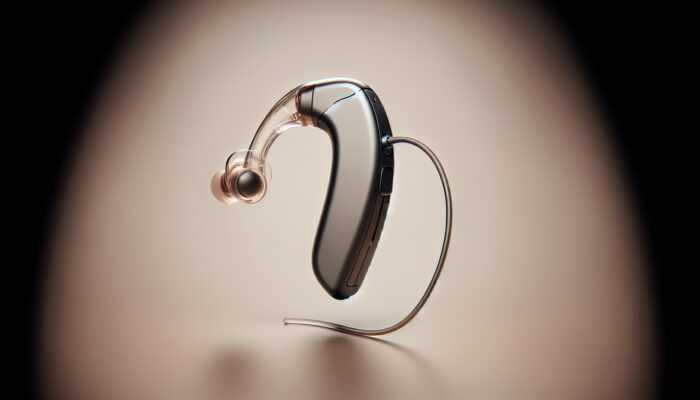
Categories
Science & Technology Systems Integration

Digital Realms Unification: Integrating Systems and Software

In the current rapid-paced digital landscape, businesses significantly depend on interconnected systems and software applications to enhance their operational efficiency and boost overall productivity. The essential integration of these digital environments has become crucial for organisations aiming to maintain a competitive edge and deliver exceptional user experiences. This article delves into the importance of system and software integration, highlighting the myriad benefits it offers while also providing valuable insights into best practices for achieving successful integration.

Exploring the Concepts of System and Software Integration

System integration is the method of uniting various standalone systems, including databases, applications, hardware, and networks, into a single, cohesive ecosystem. This process involves enabling these diverse systems to communicate effectively, share data, and collaborate seamlessly to reach specific goals and objectives. Effective system integration allows businesses to operate more smoothly, ensuring that all components work in harmony towards common aims.

In contrast, software integration centres on merging different software applications or components to develop a comprehensive solution tailored to meet specific business needs. This process includes integrating software modules, APIs (Application Programming Interfaces), and various services to create a unified, efficient software ecosystem that enhances functionality and user satisfaction.

The convergence of system and software integration is where significant potential resides. By merging these elements, businesses can unlock a wealth of advantages, which include increased efficiency, enhanced productivity, improved data accuracy, and superior decision-making capabilities. This powerful combination facilitates a more agile and responsive business environment.

Unlocking the Advantages of System and Software Integration

A futuristic office with integrated systems enhancing productivity through real-time data and automated transfers.
  1. Streamlined Business Processes: Integration significantly reduces the need for manual data entry, ensuring an automatic flow of information between various systems and software applications. This automation streamlines business processes, minimises errors, and lessens the duplication of efforts, ultimately saving valuable time and resources.
  • Automating data transfers not only saves time but also decreases the likelihood of human error.
  • Reducing manual processes leads to increased efficiency and enhanced productivity across the organisation.
  • By eliminating duplicate data entry, businesses can mitigate the risk of inconsistencies and improve overall data accuracy.
  1. Boosting Employee Productivity: Integration allows employees to access relevant data from various systems and software applications through a centralised interface. This enhanced accessibility eliminates the need to navigate between multiple platforms, leading to improved productivity and expedited decision-making processes.
  • Centralised access to data streamlines workflows, allowing employees to focus on their core responsibilities without unnecessary interruptions.
  • Access to real-time data equips employees to make well-informed decisions swiftly.
  • Minimising data entry tasks frees up valuable time for employees to engage in more strategic, value-added work.
  1. Enhancing Data Accuracy: Integration helps maintain data consistency across various systems and software applications. This eliminates the risk of data duplication, reduces inaccuracies, and ensures a single source of truth, thus enabling reliable reporting and analysis.
  • Data synchronisation across systems guarantees that all information remains current and accurate.
  • By preventing data duplication, organisations can avoid conflicting information and uphold data integrity.
  • Accurate data fosters better-informed decision-making, empowering organisations to drive strategic initiatives effectively.
  1. Access to Real-time Insights: Integration offers businesses real-time access to essential information from diverse systems and software applications, empowering organisations to make informed decisions promptly, identify trends, and grasp opportunities as they arise.
  • Real-time data access enables organisations to react quickly to market fluctuations and evolving customer demands.
  • Having access to immediate insights allows businesses to pinpoint areas for improvement and innovation.
  • Timely decision-making based on real-time data can provide organisations a significant competitive advantage in their respective markets.
  1. Ensuring Scalability and Flexibility: Integrated systems and software applications facilitate scalability, allowing businesses to grow their operations without disrupting existing processes. Furthermore, integration provides the flexibility necessary for organisations to adapt seamlessly to evolving market trends and customer demands.
  • Integrated systems can accommodate growth effortlessly and manage increased data volumes efficiently.
  • Scalable software solutions can handle heightened user loads and transaction volumes while maintaining performance levels.
  • The flexibility to integrate new software applications enables organisations to remain agile and responsive to changing business needs.
  1. Achieving Cost Efficiency: By streamlining processes, reducing errors, and enhancing productivity, system and software integration significantly contribute to overall cost efficiency. Organisations can optimise resource allocation, minimise operational costs, and achieve a higher return on investment.
  • Automation reduces the need for manual labour, leading to substantial cost savings.
  • Streamlined processes decrease the likelihood of errors, which can be expensive to rectify.
  • Improved efficiency and productivity lead to better resource allocation and cost optimisation across the board.

Essential Best Practices for Effective System and Software Integration

To guarantee successful system and software integration, businesses should follow these essential best practices:

  1. Define Clear Integration Goals: Clearly articulate the objectives and desired outcomes expected from the integration process. This clarity will guide the selection of systems and software applications to be integrated and facilitate the measurement of the integration project’s success.
  • Clearly define the expected outcomes and benefits of the integration to ensure alignment with business goals.
  • Establish specific goals and key performance indicators (KPIs) to effectively track the success of the integration.
  • Ensure that integration goals align with broader business objectives to maintain strategic coherence.
  1. Select the Appropriate Integration Technology: Choose integration technologies that align with business requirements and future scalability. Evaluate options such as APIs, ETL (Extract, Transform, Load) tools, middleware, or integration platforms to identify the most suitable solution.
  • Assess the compatibility of integration technologies with existing systems and software applications for a seamless integration experience.
  • Consider the scalability and flexibility of the chosen integration technology to accommodate future growth and changes.
  • Evaluate the ease of implementation and ongoing maintenance of the integration technology to ensure long-term success.
  1. Establish a Comprehensive Data Management Strategy: Define data standards, data governance policies, and data validation rules to ensure consistency and integrity across integrated systems and software applications. Additionally, implement robust data security measures to protect sensitive information.
  • Set clear data standards to ensure uniformity and consistency in data formats and structures across all platforms.
  • Establish data governance policies to regulate data access, security, and privacy, fostering trust in the data management process.
  • Implement strict data validation rules to uphold data quality and prevent corruption throughout the integration.
  1. Verify Compatibility and Interoperability: Prioritise compatibility and interoperability when selecting systems and software applications for integration. Evaluate their ability to communicate and share data effectively, ensuring a smooth integration process.
  • Assess the compatibility of systems and software applications based on their technical specifications and protocols to facilitate seamless integration.
  • Ensure that the chosen integration solution supports the required data formats and APIs for successful data exchange.
  • Test the interoperability of the integrated systems to confirm seamless data exchange and reliable performance.
  1. Prepare for Change Management: Anticipate and plan for change management initiatives to assist employees in adapting to the integrated systems and software applications. Provide adequate training, ongoing support, and comprehensive documentation to minimise resistance and maximise user adoption.
  • Communicate the benefits of integration clearly to employees to foster engagement and support.
  • Offer extensive training programmes on how to utilise the integrated systems and software applications effectively.
  • Provide continued support and comprehensive documentation to address any questions or concerns that may arise during the transition.
  1. Regularly Monitor and Test Integration: Continuously oversee the integrated systems and software applications to identify any issues or performance bottlenecks. Regularly conduct tests on the integration to ensure data accuracy, system reliability, and optimal functionality.
  • Implement monitoring tools to track the performance and data flow of the integrated systems effectively.
  • Conduct routine testing to verify the integrity and functionality of the integration, ensuring high standards are maintained.
  • Address any identified issues promptly to ensure the ongoing effectiveness of the integration.

By following these essential best practices, businesses can effectively overcome integration challenges and fully utilise the potential of their interconnected digital environments.

The synergy of system and software integration is critically important for businesses aiming to unify their digital landscapes. It facilitates streamlined processes, boosts productivity, enhances data accuracy, provides real-time insights, ensures scalability and flexibility, and drives cost efficiency. By adopting best practices and investing in suitable integration technologies, organisations can realise the advantages of integration and secure a competitive edge in the modern digital marketplace.

Frequently Asked Questions (FAQ)

1. What are System Integration and Software Integration?

  • System integration refers to the process of connecting various independent systems into a unified ecosystem, enabling them to communicate and collaborate seamlessly.
  • Software integration focuses on merging different software applications or components to create a comprehensive solution that meets specific business requirements.

2. What Advantages Does System and Software Integration Offer?

  • Streamlined Processes: Integration eliminates manual data entry, reduces errors, and minimises duplication of efforts, ultimately saving time and resources.
  • Enhanced Productivity: Integration allows for centralised access to relevant data, reducing the need to switch between different platforms, which boosts productivity.
  • Improved Data Accuracy: Integration ensures data consistency across systems, minimises inaccuracies, and facilitates reliable reporting and analysis.
  • Real-time Insights: Integration provides immediate access to critical information, empowering businesses to make informed decisions swiftly and identify new opportunities.

3. How Can Businesses Ensure Successful System and Software Integration?

  • Clearly Define Integration Goals: Articulate desired outcomes, establish specific goals, and align integration objectives with broader business aims.
  • Select the Right Integration Technology: Evaluate compatibility, scalability, and ease of implementation and maintenance of integration technologies.
  • Establish a Comprehensive Data Management Strategy: Define data standards, governance policies, and validation rules to ensure data consistency and security throughout the integration.
  • Ensure Compatibility and Interoperability: Prioritise compatibility and interoperability when selecting systems and software applications for integration to facilitate seamless communication.

4. Why is Change Management Crucial in System and Software Integration?

  • Change management assists employees in adapting to integrated systems and software applications by providing necessary training, support, and documentation.
  • Effectively communicating the benefits of integration, providing comprehensive training, and offering ongoing support can greatly reduce resistance and enhance user adoption rates.

Originally posted 2023-05-24 18:09:15.

The post Digital Realms Unification: Integrating Systems and Software appeared first on Healthcare Marketing Service.

Exit mobile version